Anders Chydenius, Thoughts on the Natural Rights of Servants and Peasants (1778).
The exercise of one coercion always makes another inevitable.
Categories
Anders Chydenius
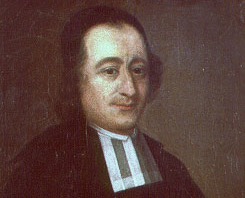
Anders Chydenius, Thoughts on the Natural Rights of Servants and Peasants (1778).
The exercise of one coercion always makes another inevitable.
The first I heard of an actual enumeration of federal “intelligence agencies” was from Hillary Clinton. In the final presidential debate, she claimed that the truths spilling out of the Podesta emails had been revealed courtesy of Russian hackers, and she knew this because all 17 U.S. “intelligence agencies” had briefed her.
Seventeen!
The number, at least, does not come from a secret source. Business Insider had popularized it. “These 17 Agencies Make Up The Most Sophisticated Spy Network In The World,” Paul Szoldra informed us three-and-one-half years ago in a fascinating listicle.
Call me paranoid . . . but if I am told that the government has 17 spy agencies, I wonder about one more: The Really, Really Secret Infodump Agency. There is, after all, no official definition of “government agency”; the federal government doesn’t even publish an official overall count, intelligent or otherwise.
Besides, the prime number 17 just seems too . . . contrived. Sixteen or 18? Boring numbers. But 17? Its numerological magic lends plausibility to “the most sophisticated spy network in the world.”
Of course, when Mrs. Clinton insisted that all 17 had concurred that the Russians were on Trump’s side, I did not believe her. And now that mainstream media outlets — in an apparent frenzy to prove themselves a more reliable fake news source than the Twittersphere, blogosphere, Facebook-o-sphere and Breitbart combined — run with nearly the same story, I don’t believe them, either.
It is as if they’ve had their talking points delivered in a secret dossier.
Reasons for doubt? All the anonymous sources, all the hedges on the order of “may be linked to” and “‘one step’ removed.”
Fake news. Brought to you by the number 17.
This is Common Sense. I’m Paul Jacob.
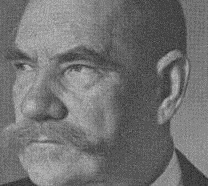
The person who sent me here has been arrested. Now I’m going home.
What Svinhufvud said to the Tomsk, Siberia, police station attendant after news of the February Revolution reached him in his forced exile from what was then still the Grand Duchy of Finland.
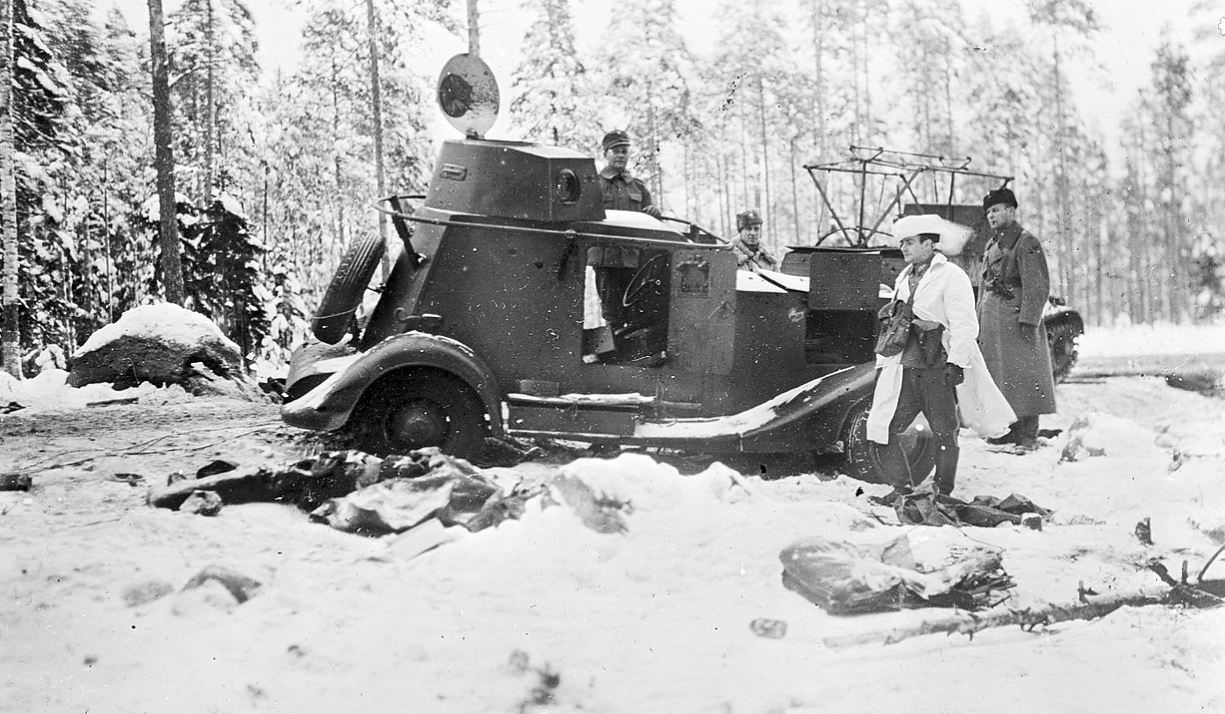
On December 12, 1939, Finnish forces defeated those of the Soviet Union in the first major victory of what became known as the Winter War, in the Battle of Tolvajärvi.
December 12th birthdays include:
* Erasmus Darwin (1731) – English physician, slave trade abolitionist, inventor and poet
* John Jay (1745) — First Chief Justice of the United States
* William Lloyd Garrison (1805) — American abolitionist, editor of The Liberator

If it is the inside story you want, click on over to Townhall. Paul Jacob has received a special briefing.
Click back here for public information:
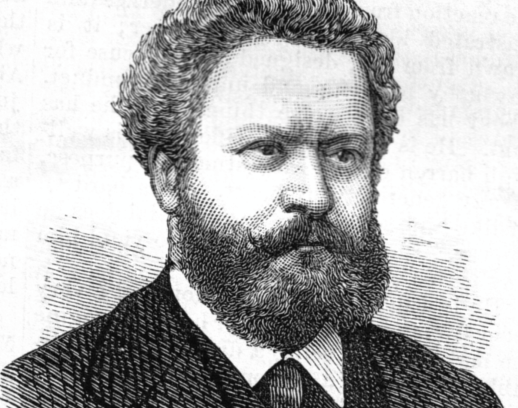
This discipline of the understanding reflects infinite credit upon the nineteenth century. If posterity does us justice, it will be grateful to us therefor. It will see that instead of cutting one another’s throats about theological questions, we have surveyed lines of railway, laid telegraphs, constructed steam-engines, launched ships, pierced isthmuses, created sciences, corrected laws, repressed factions, fed the poor, civilized barbarians, drained marshes, cultivated waste lands, without ever having a single dispute as to the infallibility of a man.
Edmond About, The Roman Question (1859), H. C. Coape, translator.
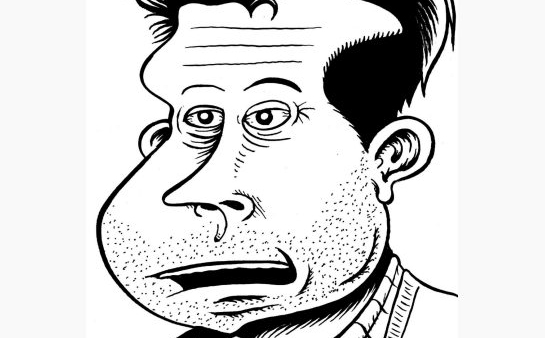
On December 11, 1957, American cartoonist and Reason magazine contributor Peter Bagge was born.

Comedian and conservative contrarian Gavin McInnes rants about the way mainline Third-Wave feminists have reacted to the documentary The Red Pill. Caution: “explicit language.”
Wondering about the movie itself? Here is a trailer for it:
And here is Dave Rubin interviewing documentarian Cassie Jaye:

Privacy is the foundation of all other rights. Arguing that you don’t care about privacy because you have nothing to hide is no different from saying you don’t care about free speech because you have nothing to say.
On December 10, 1884, Mark Twain’s Adventures of Huckleberry Finn was first published. This novel, narrated in the first person by the title character, is a dark comedy of the antebellum South and slavery, and has been considered by many American critics and writers to qualify as the “Great American Novel.”
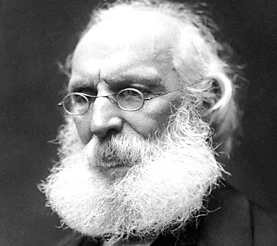
On this date in 1901, the first Nobel Peace Prizes were awarded — to economist Frédéric Passy (pictured above), co-founder of the Inter-Parliamentary Union; and to Henry Dunant the founder of the International Committee of the Red Cross.
Passy was an admirer of Cobden and an active member in the French Liberal School of Political Economy that developed in the tradition of J.B. Say, Destutt de Tracy, Charles Comte and Charles Dunoyer, and Frédéric Bastiat. His published works include Leçons d’économie politique (1860-61); La Démocratie et l’Instruction (1864); L’Histoire du Travail (1873); Malthus et sa Doctrine (1868); and La Solidarité du Travail et du Capital (1875).