To violate its own laws is a special privilege of absolute monarchy.
Edmond About, The Roman Question (1859), H. C. Coape, translator.
To violate its own laws is a special privilege of absolute monarchy.
Edmond About, The Roman Question (1859), H. C. Coape, translator.
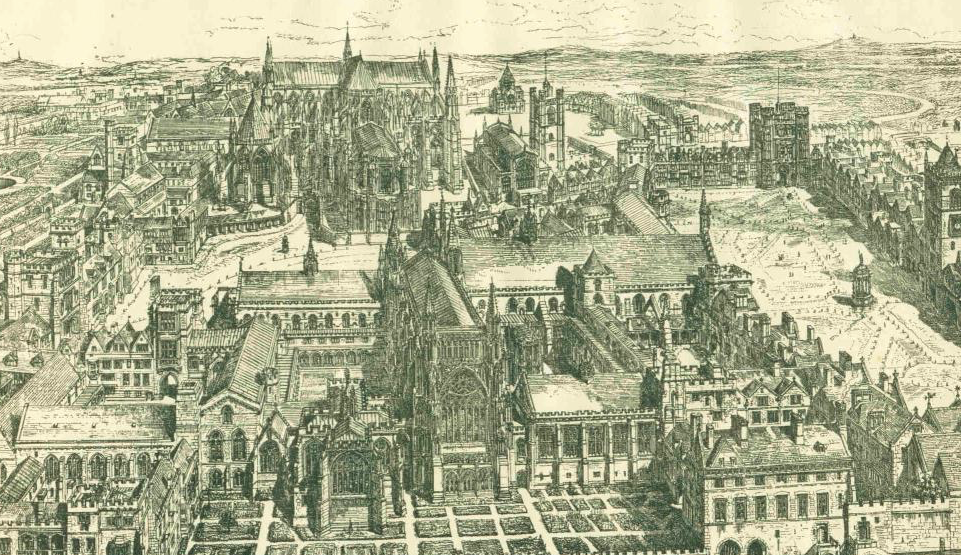
On December 16, 1689, the Convention Parliament began, not only transferring power from one king to another, but establishing procedures and rights into the British Constitution, both of which were copied in the United States of America a century later, with the Constitution’s Bill of Rights.
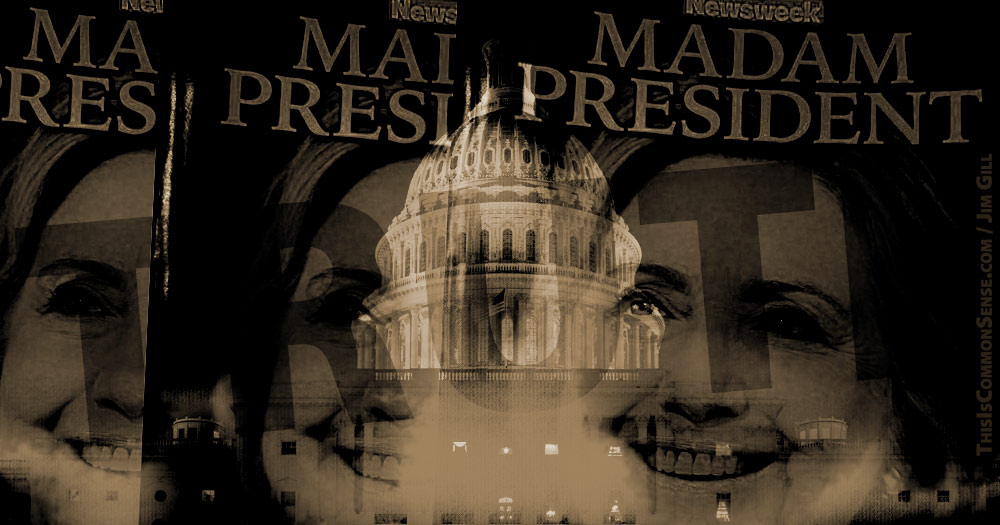
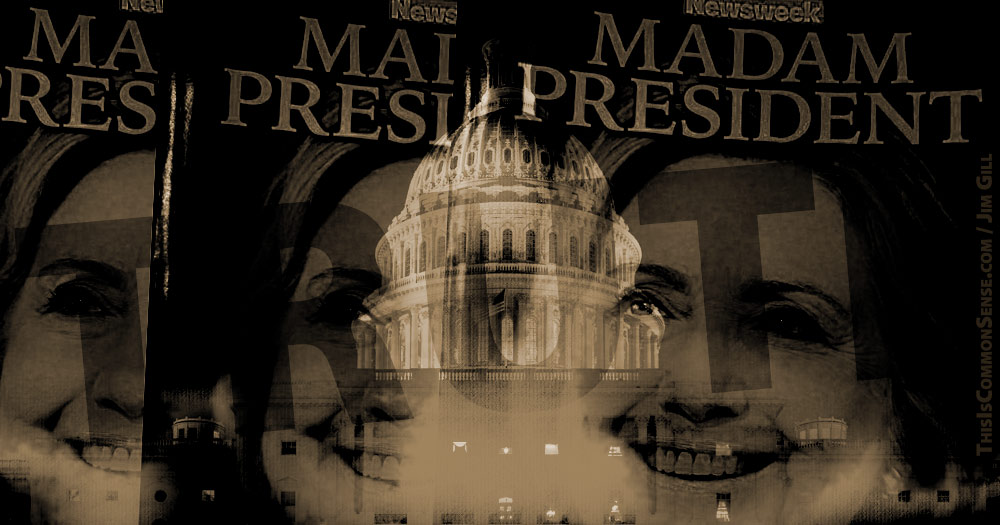
Buried within another, more innocuous-sounding piece of legislation*, the Countering Disinformation and Propaganda Act passed the U.S. Senate last week. Introduced in March, the corresponding House bill is still in committee.
Designed to “counter foreign disinformation and propaganda,” especially but not limited to Russia’s, the law, if enacted, would set up what amounts to the ultimate fact-checking outfit. But since, in politics, Nietzsche’s Law of Hermeneutics** holds — “there are no facts, only interpretations” — what it really would be is an anti-propaganda propaganda house, described by critics as a “Ministry of Truth.”
From Senate sponsors Rob Portman (R-OH) and Chris Murphy (D-CT), however, it sounds a lot more noble. It seeks to develop “a whole-of-government strategy for countering foreign propaganda and disinformation” as well as “leverage expertise from outside government to create more adaptive and responsive U.S. strategy options.”***
You can see why government insiders would be concerned. After all, information (mis- and dis- and even correct) travels fast these days.
That is the way of memes — “mind viruses,” popularly called**** — in this age of the Internet.
One related meme is the phrase “effrontery propaganda,” repeated in Internet postings, which characterizes the Countering Disinformation and Propaganda Act’s mission as that of developing and disseminating “‘fact-based narratives” to counter effrontery propaganda.”
Insiders in government and major media do see as “effrontery” the memes that so strongly captured our imaginations in 2016. But is it fakery that really bothers them? Or mere effectiveness?
In any case, effrontery is precisely the right word for any centralized, government-run propaganda outfit.
This is Common Sense. I’m Paul Jacob.
* Titled a “report”!
** This being about propaganda, I hone my philosophical chops and chutzpah by dubbing the infamous F. A. Nietzsche saying as a “law.” On the order of Murphy’s and Parkinson’s so-called laws. Why not? Maybe it’ll catch on.
*** Specifically, the Senate version of the bill would expand “the authority, resources, and mandate of the Global Engagement Center” — an existing institution — to handle state actors (Russia, Russia, Russia, and China) as well as “help train local journalists” and seek to influence (and fund) NGOs and think tanks.
**** Richard Dawkins, in The Selfish Gene (1976; 40th Anniversary Edition, 2016), proposed a new science, memetics. Which has since been developed. See The Meme Machine, for example, by Susan Blackmore (Oxford University Press, 1999).
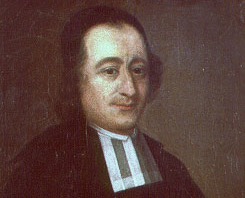
The more opportunities there are in a Society for some persons to live upon the toil of others, and the less those others may enjoy the fruits of their work themselves, the more is diligence killed, the former become insolent, the latter despairing, and both negligent.
Anders Chydenius, The National Gain (1765), §20.
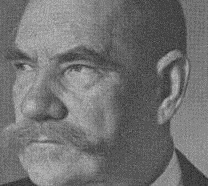
On December 15, 1791, the United States Bill of Rights became federal law when ratified by the Virginia General Assembly.
On December 15 in 1933, the Twenty-first Amendment to the United States Constitution officially became effective, repealing the Eighteenth Amendment that had, by enabling the Volstead Act, prohibited the sale, manufacture, and transportation of alcohol for any other than medical and industrial uses.
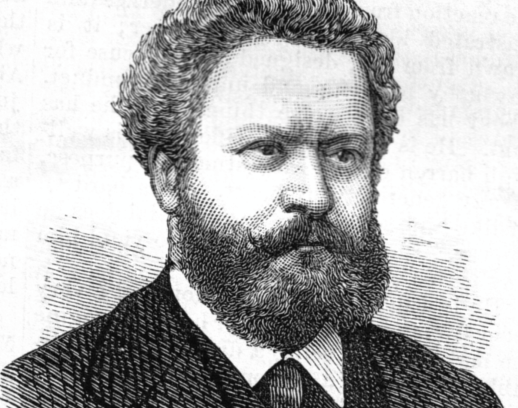
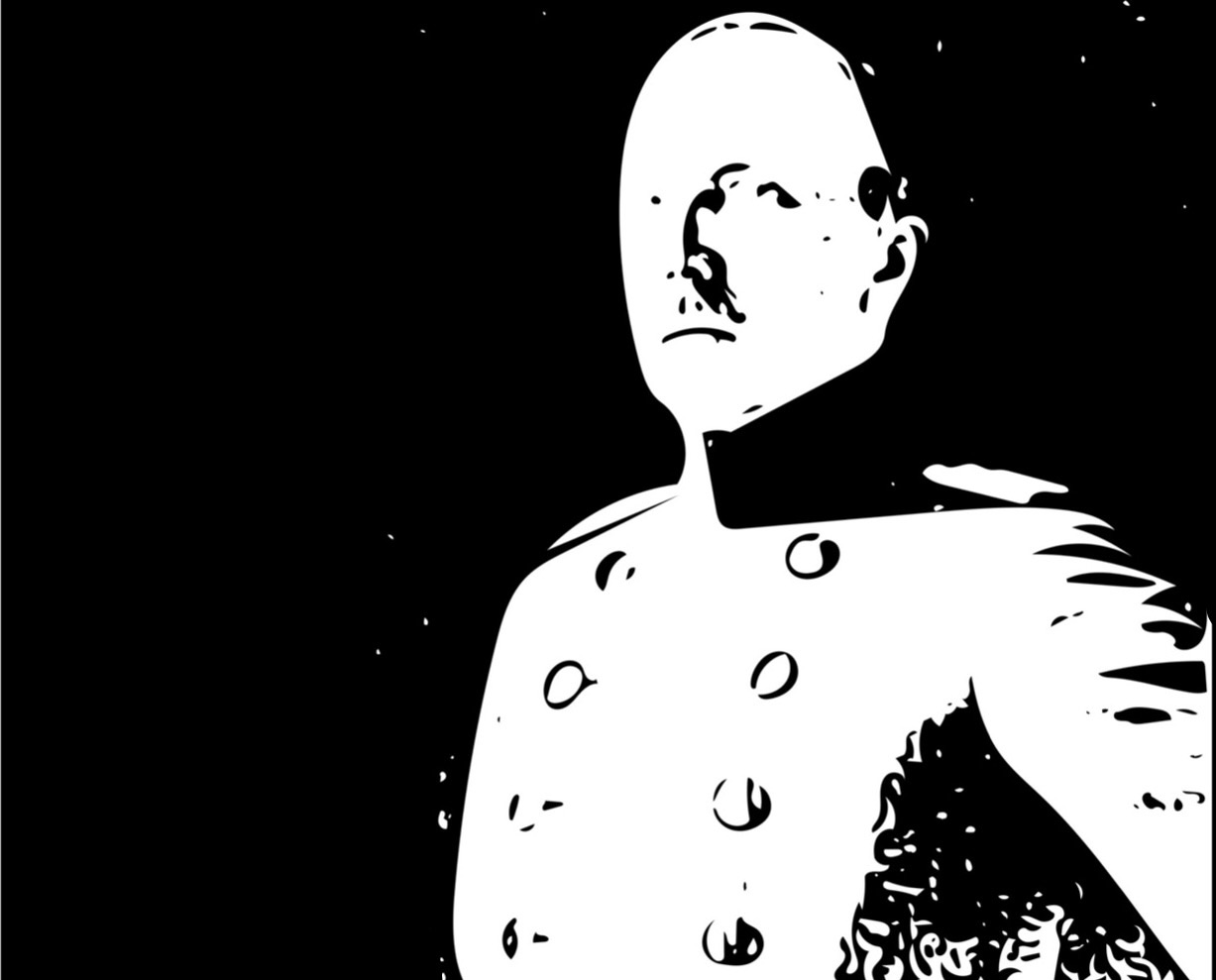
December 15 birthdays include that of Pehr Evind Svinhufvud af Qvalstad [pictured above], 1861, first Head of State of independent Finland, serving in this capacity first as leader of the Senate and then as Protector, or Regent. In 1930 he became Prime Minister, and in 1931 was elected President, leaving office in 1937.
During the Civil War of 1918, his anti-socialist refugee government, Valkoiset, or “Whites,” opposed the “Reds,” a Social Democrat Party faction, for control of the government as it transitioned from Russian rule as a Grand Duchy, to independent status.
He died in 1944.

“You think the police deserve to be killed?” That’s what talk show host Michael Savage asked his caller yesterday.
What brought that on?
A self-described liberal woman named Teri had called The Savage Nation. Though not a Trump supporter, she “did not have the antipathy for him that most liberals did.”
“[U]nderneath his brashness and braggadocio,” Teri had thought, “there actually beat a heart for America.” But after his numerous initial appointments, she is now “terrified.”
On air, Teri admitted that her preferred candidate for president had been independent (not turned Democrat) Sen. Bernie Sanders of Vermont. Savage called Sanders a “con man” — a “race-baiter” who “attacked the police regularly.”
That’s when he inquired if it was her desire to see police officers murdered. To which, she replied, “No, my husband was a police captain.”
Savage: “That’s amazing. How could you vote for a man like Bernie Sanders, who hated the police and used the police as a weapon to stir up minorities?”
Teri: “Believe it or not, my husband actually supported him, too.”
Savage: “Why would a police captain support Bernie Sanders?”
Teri: “Well, my husband was a very honored and honorable policeman.”
Savage: “You mean, all the police who were killed deserved to be killed?”
Savage, indeed. Does he really believe that a person criticizing certain police behavior or seeking reform necessarily thirsts for the blood of innocent police? Really?
Or does he simply hope to shut down any thoughtful conversation about the injustice in our criminal justice system?
This is Common Sense. I’m Paul Jacob.

“I grant you . . . that the Pope ought to be independent. But could he not be so at a somewhat less cost? Is it absolutely necessary that 3,124,668 men should sacrifice their liberty, their security, and all that is most precious to them, in order to secure the independence which makes us so happy and so proud? The Apostles were certainly independent at a cheaper rate, for they did nobody harm.
Edmond About, The Roman Question (1859), H. C. Coape, translator.
On December 14, 1819, Alabama became the 22nd state of these United States.
On the same December date in 1918, Friedrich Karl von Hessen, a German prince elected by the Parliament of Finland to become King Väinö I, renounced the Finnish throne.
In 1939, the Soviet Union was expelled from the League of Nations for invading Finland and starting the Winter War.

Going into the presidential race, last year, Donald Trump was far from a typical Republican.
His rich man braggadocio, his prior support for abortion, and much else, put him culturally at odds with the social conservative wing of the GOP. He dared heap scorn on neoconservative foreign policy strategy, sacrosanct since Reagan on the right. He has supported many Democratic programs, not the least of which is the Gephardtian protectionism that pulled in so many moderate Democrats.
Besides, as he has famously stated, Democrats loved him, asked him for money, and (not coincidentally) gave him praise . . . right up until he started his campaign under the Republican banner. Then he was excoriated as sexist, racist, xenophobic, Ugly Americanist. Ivanka, his eldest daughter — extraordinarily close to him — was a registered as a Democrat recently enough that she couldn’t even vote for him in the primary.
Ideologically, he has been all over the map.
So one might reasonably think he would govern as a centrist. A non-humble Jimmy Carter retread, perhaps.
But he has assembled the most conservative cabinet in our lifetime. Far more conservative than Ronald Reagan’s. Predictably, Democrats are freaking out.
Why the move “rightward”?
Well, if all the Democratic leadership plus most of the moderate Republican leadership have come out strongly against you — in high moral dudgeon — what point is there to appease them?
The cost of the Trump anathematization strategy may become all too clear in Trump’s first Hundred Days.
This is Common Sense. I’m Paul Jacob.

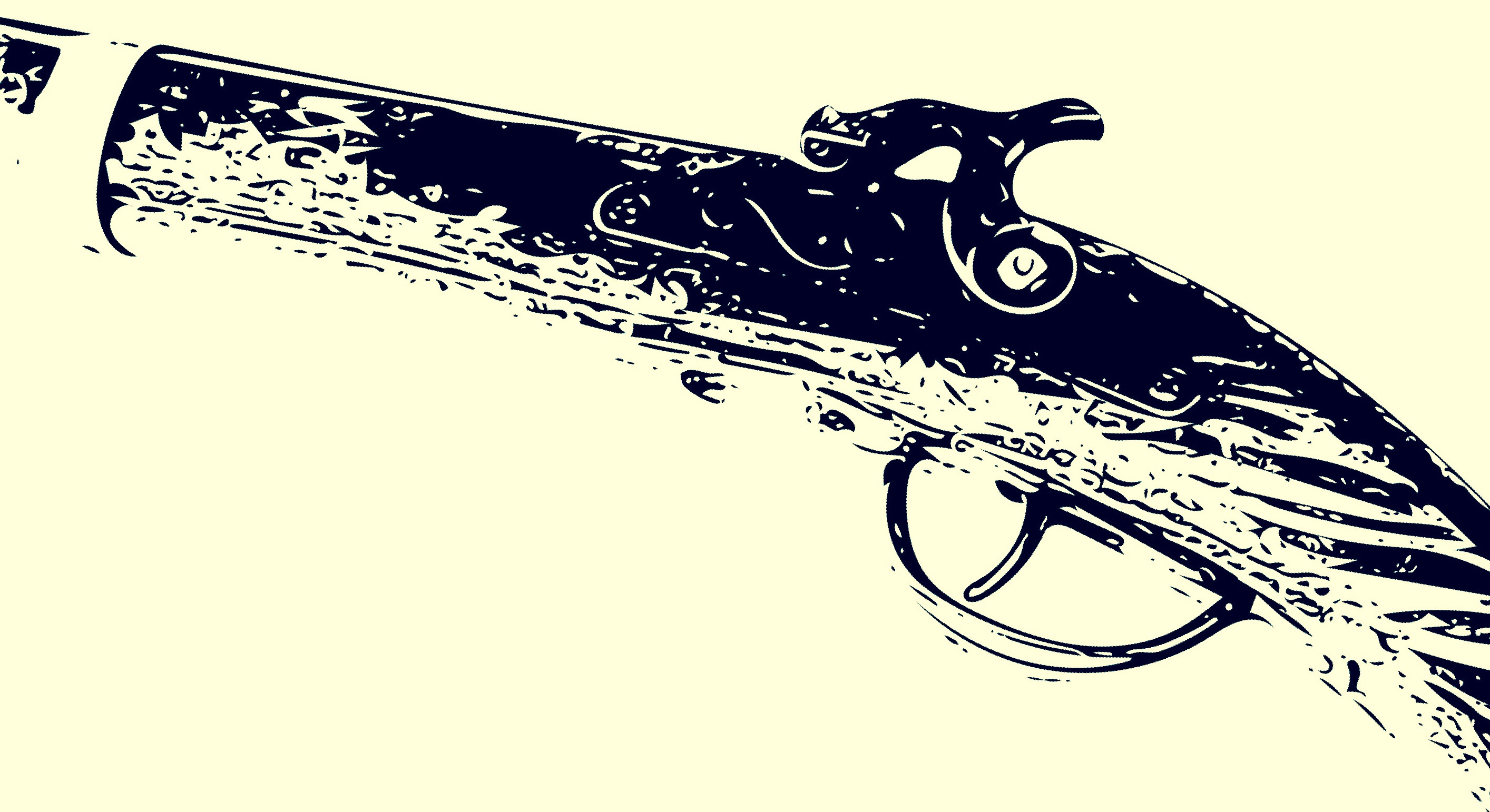
On December 13, 1636, the Massachusetts Bay Colony organized three militia regiments to defend the colony against the Pequot Indians.
The National Guard of the United States traces its heritage back to this event.