On January 24, 1984, Apple Computer placed the Macintosh personal computer on sale in the United States.
Categories
Nineteen Hundred Eighty-four
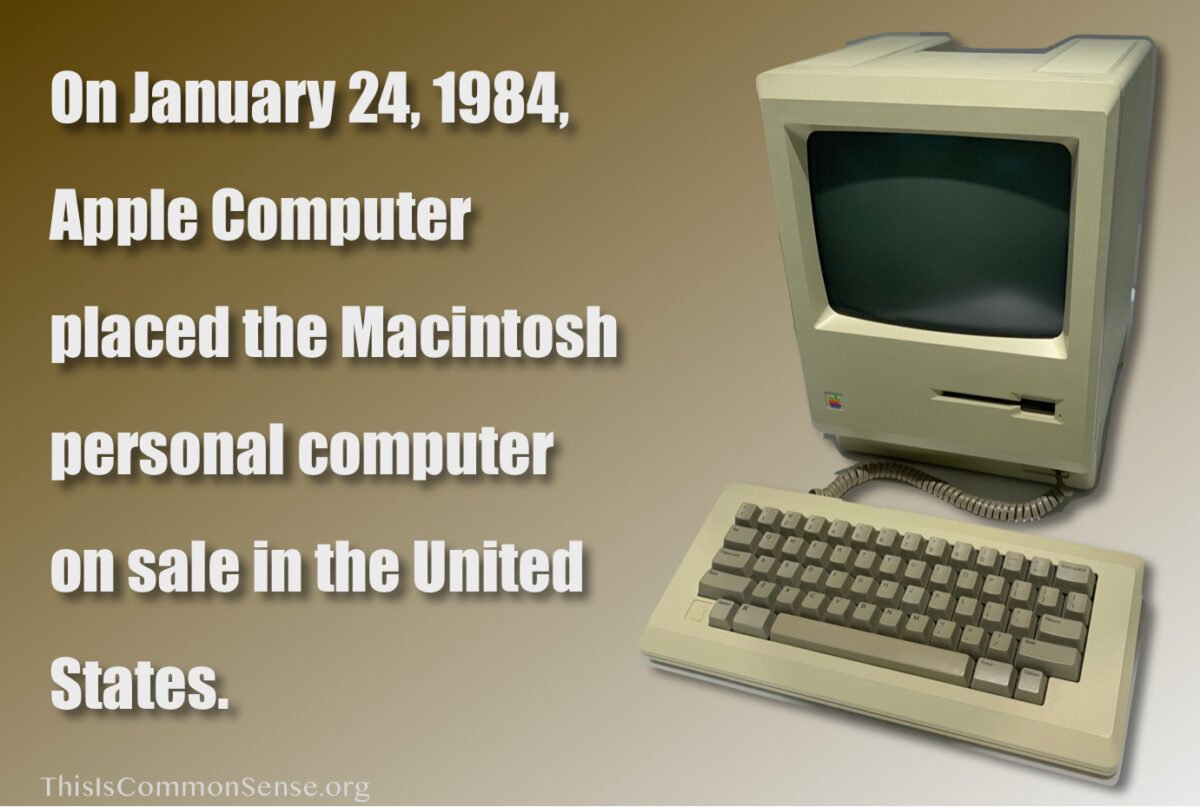
On January 24, 1984, Apple Computer placed the Macintosh personal computer on sale in the United States.

On January 23, 1860, the Cobden-Chevalier Treaty was signed between France and Great Britain. The treaty was named after the two main proponents of the agreement, Richard Cobden (in England) and economist Michel Chevalier (in France). The treaty had been suggested the year earlier, in British Parliament, by Cobden’s colleague John Bright, who looked upon the policy as a peace measure, an alternate to a military build-up.
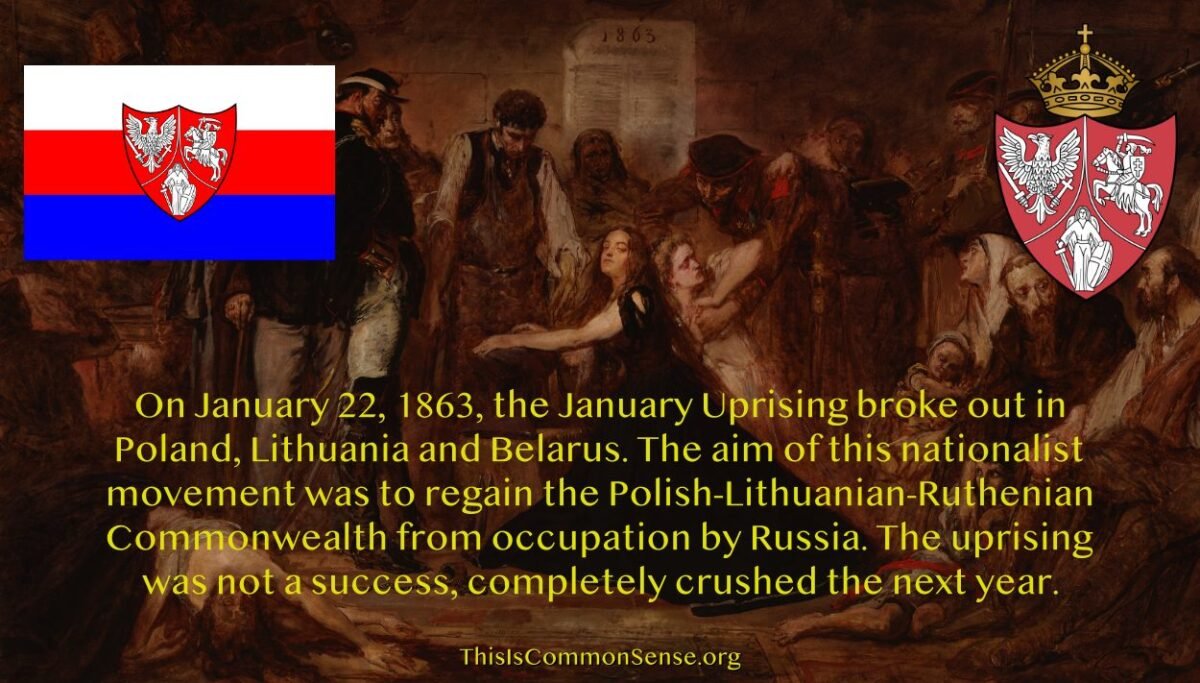
On January 22, 1863, the January Uprising broke out in Poland, Lithuania and Belarus. The aim of this nationalist movement was to regain the Polish-Lithuanian-Ruthenian Commonwealth from occupation by Russia. The uprising was not a success, completely crushed the next year.

On January 21, 1950, Alger Hiss was convicted of perjury, with Whittaker Chambers being the main witness in Hiss’s prosecution. Chambers confessed to having been a Soviet spy, and accused Hiss as an accomplice, which Hiss denied to his dying day. Chambers gave a fascinating account of all this in his bestselling 1952 memoir, Witness.

On January 20, 1920, the American Civil Liberties Union was founded.

On January 19, 1795, the Batavian Republic was proclaimed in the Netherlands, replacing the Dutch Republic.
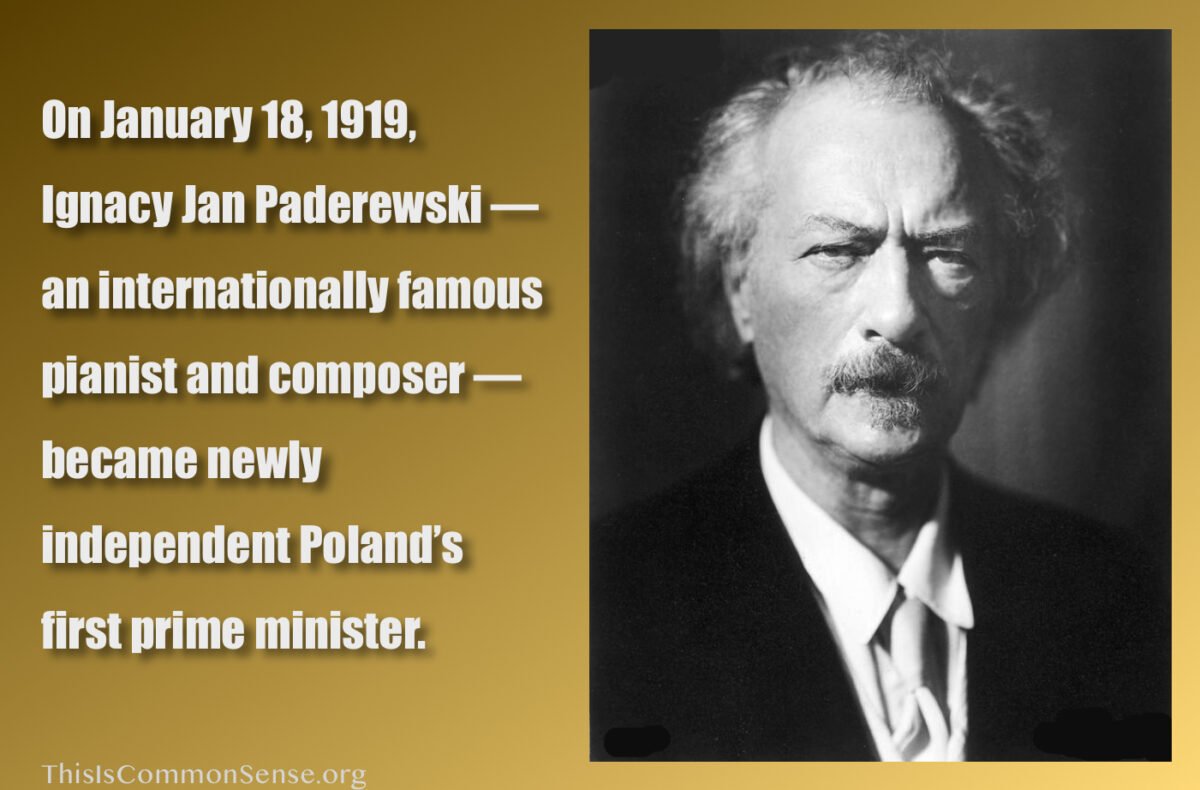
On January 18, 1919, Ignacy Jan Paderewski — an internationally famous pianist and composer — became newly independent Poland’s first prime minister.
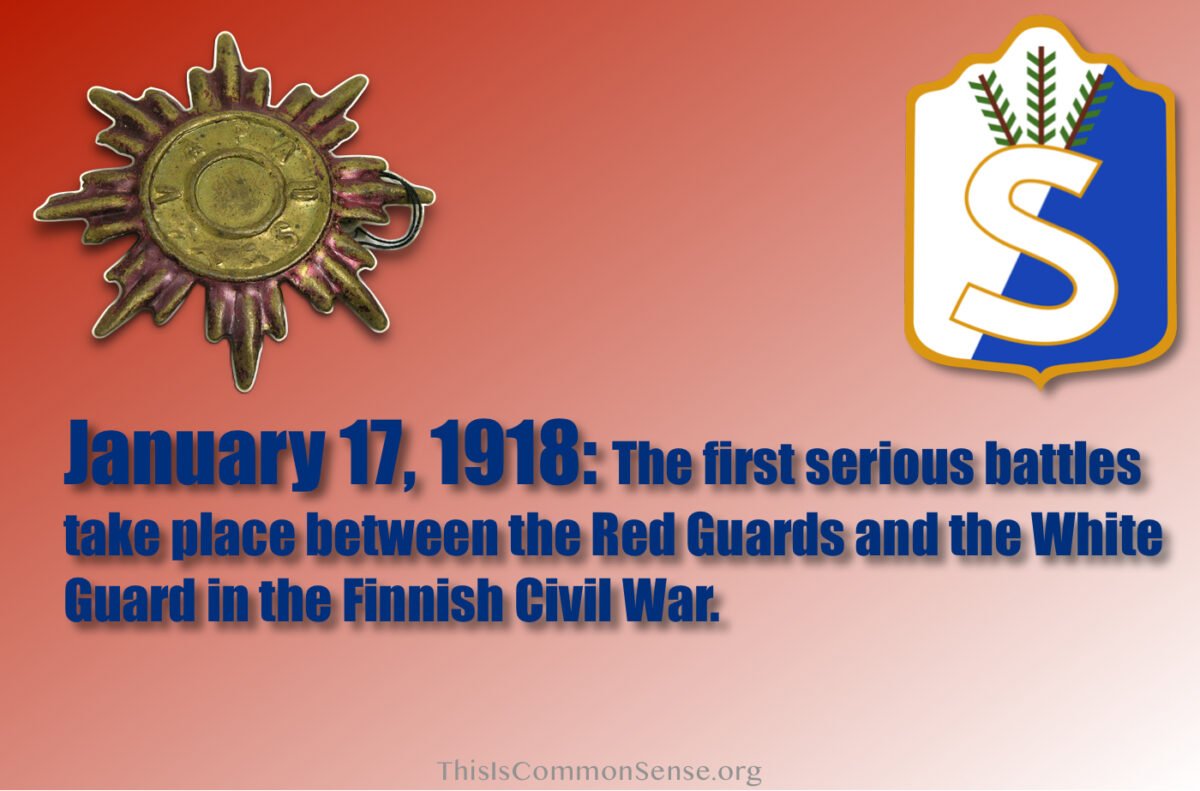
January 17, 1918: The first serious battles take place between the Red Guards and the White Guard in the Finnish Civil War.
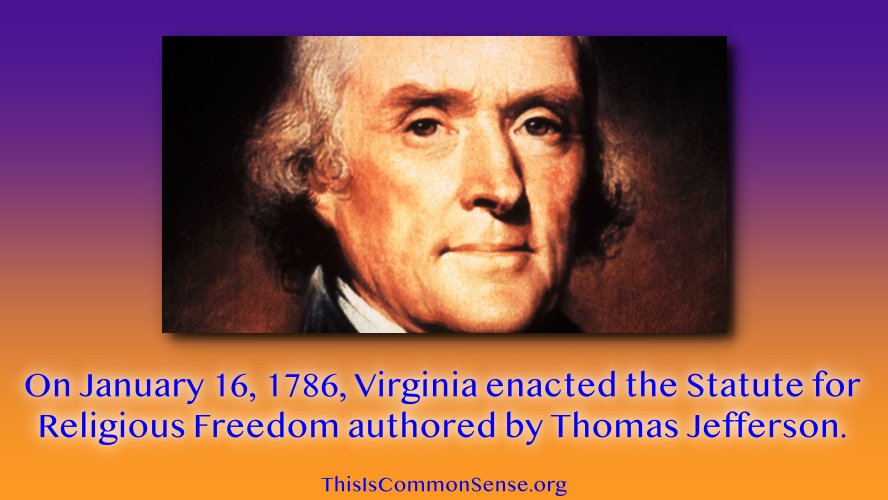
On January 16, 1786, Virginia enacted the Statute for Religious Freedom authored by Thomas Jefferson.
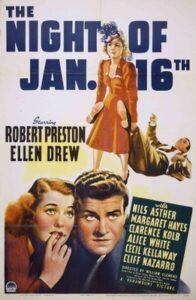
The day is also noted in the title of Ayn Rand’s hit play, Night of January 16th. First performed in 1934 as Woman on Trial, it continued on over the next few years under the title with which it is now famous, and (with the addition of the definite article before “Night”) under which it was filmed in 1941.
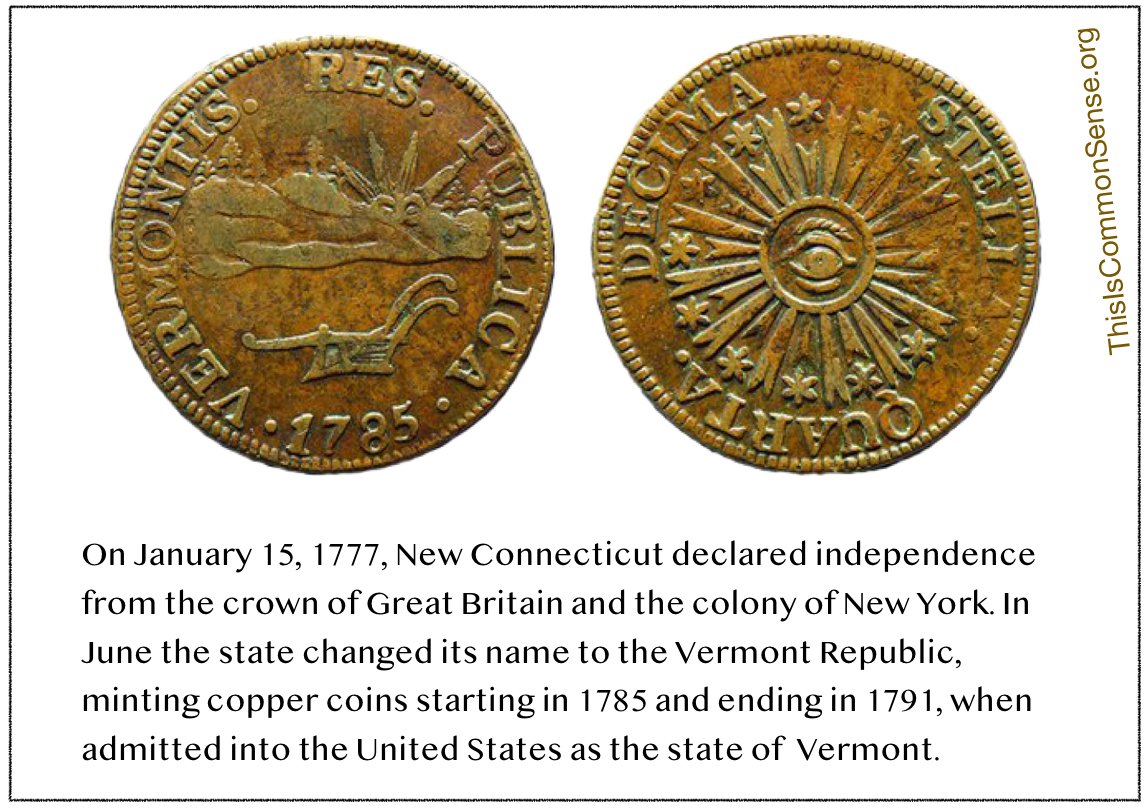
On January 15, 1777, New Connecticut declared independence from the crown of Great Britain and the colony of New York.
Delegates first named the independent state New Connecticut and, in June 1777, settled on the name Vermont, an imperfect translation of the French for Green Mountain.
This new “Vermont Republic” minted copper coins, starting in 1785. The people of Vermont took part in the American Revolution although the Continental Congress did not recognize the jurisdiction, because of vehement objections from New York, which had conflicting property claims.
In 1791, Vermont was admitted to the United States as the 14th state, upon which its minting of coins ceased.