On Feb. 11, 1990, after 27 years in prison, Nelson Mandela was released by South African authorities. Mandela had joined the African National Congress (ANC) in 1944, becoming deputy national president of the group in 1952. In 1961, Mandela was arrested for treason, and, although acquitted, was arrested again in 1962 for illegally leaving the country. Convicted and sentenced to five years at Robben Island Prison, he was put on trial again in 1964 on charges of sabotage, convicted and sentenced to life in prison along with several other ANC leaders.
In 1989, F.W. de Klerk became South African president and began dismantling apartheid. De Klerk lifted the ban on the ANC, suspended executions, and in February 1990 ordered the release of Nelson Mandela.
Mandela subsequently led the ANC in negotiating an end to apartheid and the establishment of a multiracial government. In 1993, Mandela and de Klerk were jointly awarded the Nobel Peace Prize. One year later, the ANC won the country’s first free elections, and Mandela was elected South Africa’s president.
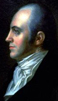 On February 6, 1756, Aaron Burr was born. Burr was an American politician who served as third Vice President of the United States, a man with a deeply ambiguous record. His popularity in his home state of New York, combined with the Slave Power vote, allowed for Thomas Jefferson’s victory in 1800 — and yet, another constitutional quirk, in addition to his apparent calculating ambition, precipitated a constitutional crisis in that election. He found a strong opponent in Federalist politician Alexander Hamilton, whom he killed in a duel during his vice presidency. Later, Burr gathered an army west of the Appalachians, ostensibly to conquer Mexico. The army was captured, and Burr was put on trial for treason, with Thomas Jefferson moving heaven and earth to see a conviction. Burr was found not guilty, traveled to Europe, and then returned to America for a long life in the private sector.
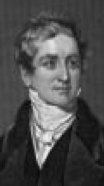 On February 5, 1788, Robert Peel was born. He would become one of the most important of the United Kingdom’s prime ministers, ushering in some reforms that led to the liberalization of England in the 19th century.