On December 17, 1777, France formally recognized the United States of America.
The 17th of December, 1819, was the day Simon Bolivar declared the independence of the Republic of Gran Colombia in Angostura.
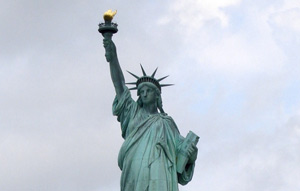
On December 17, 1777, France formally recognized the United States of America.
The 17th of December, 1819, was the day Simon Bolivar declared the independence of the Republic of Gran Colombia in Angostura.
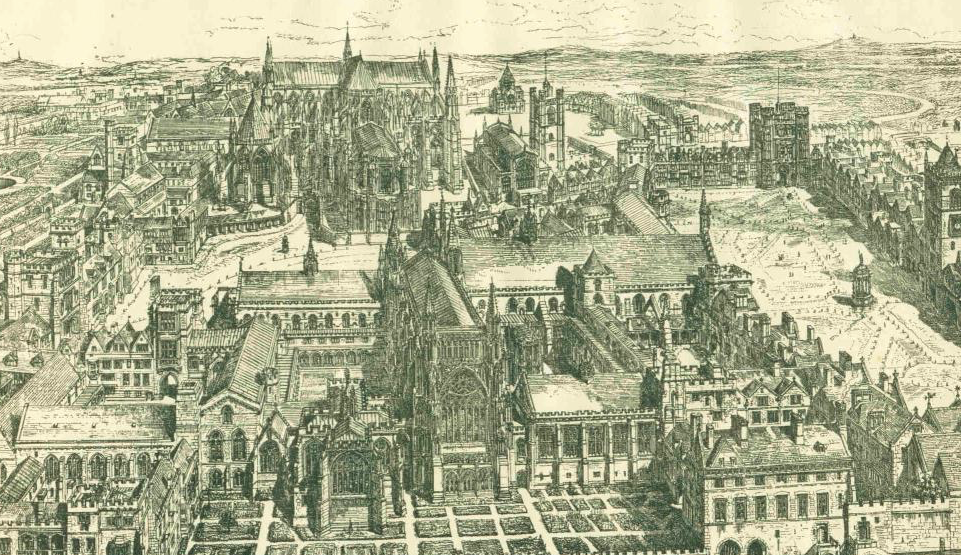
On December 16, 1689, the Convention Parliament began, not only transferring power from one king to another, but establishing procedures and rights into the British Constitution, both of which were copied in the United States of America a century later, with the Constitution’s Bill of Rights.
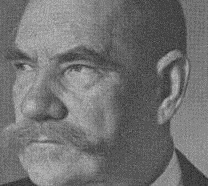
On December 15, 1791, the United States Bill of Rights became federal law when ratified by the Virginia General Assembly.
On December 15 in 1933, the Twenty-first Amendment to the United States Constitution officially became effective, repealing the Eighteenth Amendment (which had enabled the Volstead Act) that had prohibited the sale, manufacture, and transportation of alcohol.
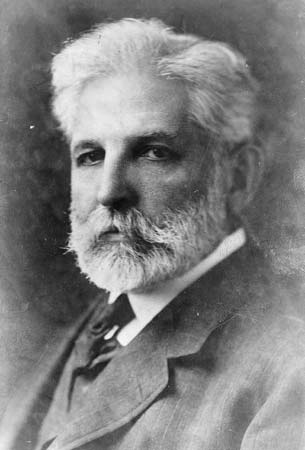
December 15 birthdays include that of Pehr Evind Svinhufvud af Qvalstad [pictured above], 1861, first Head of State of independent Finland, by heading first the Senate and then serving as Protector, or Regent. He was strongly anti-Communist and a time-leftist.
Svinhufvud later served as Finland’s third President. He died in 1944.
On December 14, 1819, Alabama became the 22nd state of these United States.
On the same December date in 1918, Friedrich Karl von Hessen, a German prince elected by the Parliament of Finland to become King Väinö I, renounced the Finnish throne. In 1939, the Soviet Union was expelled from the League of Nations for invading Finland and starting the Winter War.
On December 13, 1636, the Massachusetts Bay Colony organized three militia regiments to defend the colony against the Pequot Indians.
The National Guard of the United States traces its heritage back to this event.
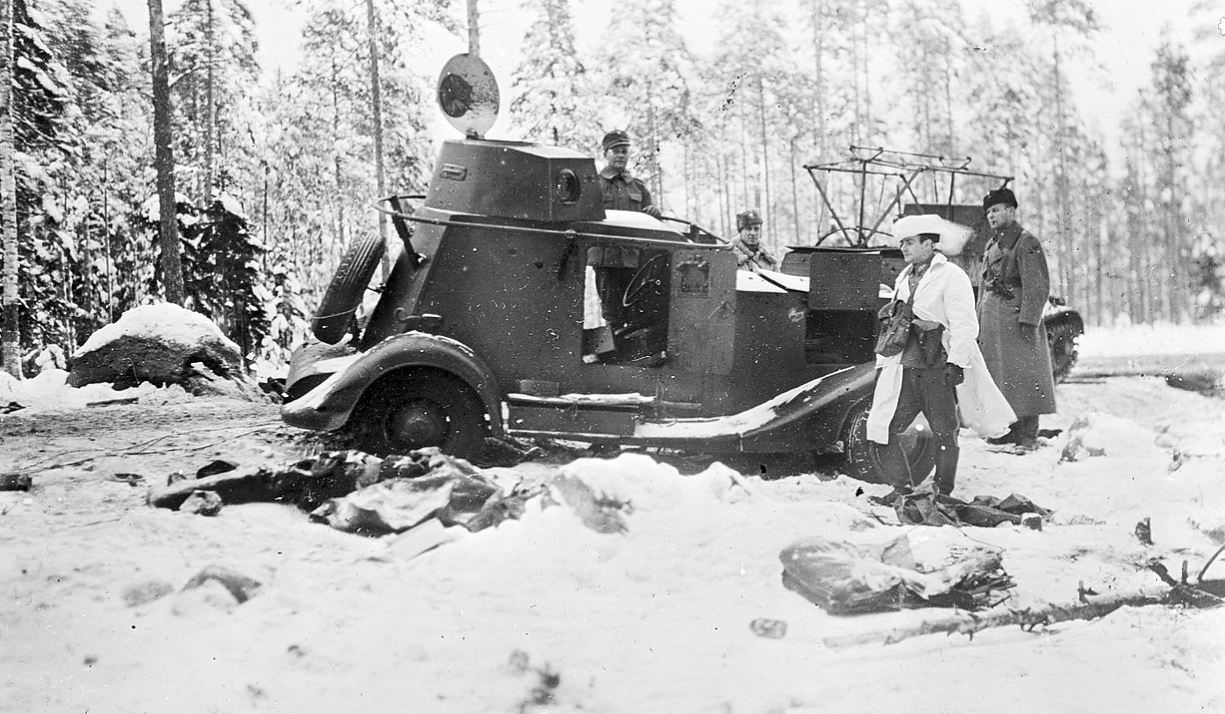
On December 12, 1939, Finnish forces defeated those of the Soviet Union in the first major victory of what became known as the Winter War, in the Battle of Tolvajärvi.
December 12th birthdays include:
* Erasmus Darwin (1731) – English physician, slave trade abolitionist, inventor and poet
* John Jay (1745) — First Chief Justice of the United States
* William Lloyd Garrison (1805) — American abolitionist, editor of The Liberator
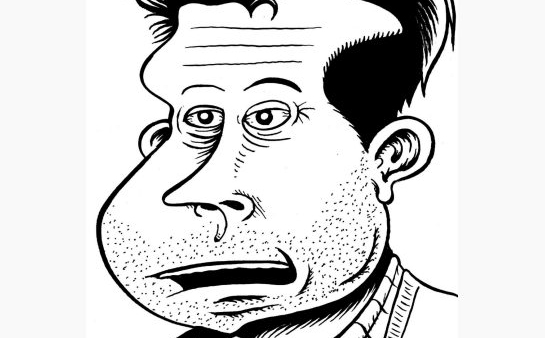
On December 11, 1957, American cartoonist and Reason magazine contributor Peter Bagge was born.
On December 10, 1884, Mark Twain’s Adventures of Huckleberry Finn was first published. This novel, narrated in the first person by the title character, is a dark comedy of the antebellum South and slavery, and has been considered by many American critics and writers to qualify as the “Great American Novel.”
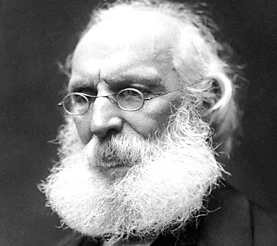
On this date in 1901, the first Nobel Peace Prizes were awarded — to economist Frédéric Passy (pictured above), co-founder of the Inter-Parliamentary Union; and to Henry Dunant the founder of the International Committee of the Red Cross.
Passy was an admirer of Cobden, and an active member in the French Liberal School of Political Economy that developed in the tradition of J.B. Say, Destutt de Tracy, Charles Comte and Charles Dunoyer, and Frédéric Bastiat. His published works include Leçons d’économie politique (1860-61); La Démocratie et l’Instruction (1864); L’Histoire du Travail (1873); Malthus et sa Doctrine (1868); and La Solidarité du Travail et du Capital (1875).
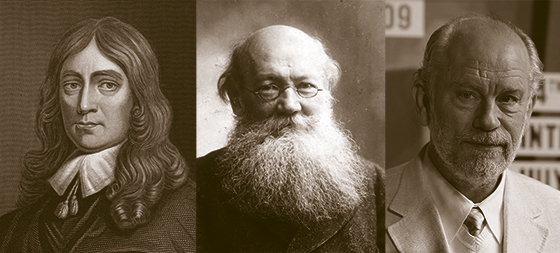
On December 9, 1958, the John Birch Society was founded in the United States. December 9 also marks the birthdays of
On December 8, 1927, one of the United States’ oldest think tanks was founded through the merger of three organizations that had been created by philanthropist Robert S. Brookings. Called the Brookings Institution, it would provide a blueprint for future work by research and advocacy organizations in the modern era.
On this date in 1974, a plebiscite abolished the monarchy in Greece.