Categories
Today

Happy Birthday, Baruch!

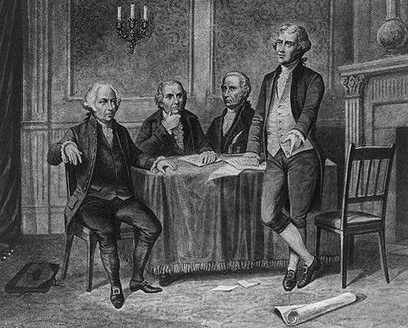
November 24th marks the birthdays of philosopher Baruch Spinoza (1632) and three influential Americans: ragtime composer Scott Joplin (1868), self-help writer Dale Carnegie (1888), and conservative editor, writer, and television personality William F. Buckley Jr. (1925).

Categories
Today

Areopagitica

On November 23, 1644, British poet John Milton published Areopagitica, a pamphlet decrying censorship.

Categories
Today

The Day JFK Was Shot

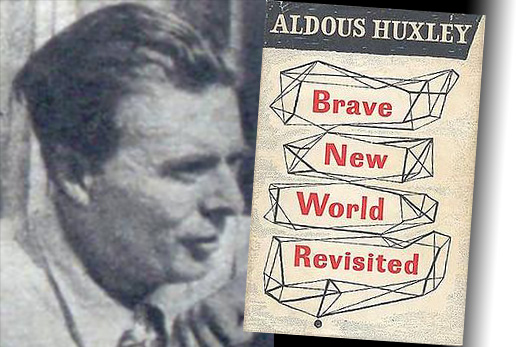
November 22 marks the death dates of a number of eminent writers, including that of English-American novelist and essayist Aldous Huxley and Irish-English novelist, theologian and medieval scholar C.S. Lewis, both of whom died in 1963, the same day as the assassination of American President John F. Kennedy. British novelist Anthony Burgess died exactly 30 years later.

The date also marks the birth of the great British novelist George Eliot (Mary Ann Evans), in 1819.

Recommended reading from these authors include:

Silas Marner (1861), a short and brilliant novel by George Eliot. Her most generally esteemed classic is the much longer Middlemarch (1872).

Earthly Powers (1980), a massive novel about life in the 20th century, by the ever-iconoclastic and hard-to-pin-down Anthony Burgess. His most famous novel is undoubtedly A Clockwork Orange (1963).

“The Humanitarian Theory of Punishment” (1949) and Till We Have Faces (1956), the former being C.S. Lewis’s thoughtful essay on the nature of modern tyranny, and the latter being what some regard his best fiction effort, a retelling of the Psyche myth. He is most famously known for The Screwtape Letters (1942) and The Chronicles of Narnia (1950-1956).

Brave New World (1931) and Brave New World Revisited (1958), the former is Aldous Huxley’s classic dystopian satire on technological tyranny, and the latter is the author’s survey of the issues raised by — and the degrees to which reality conforms to — his earlier fictional prophecy. The two books have been printed under one cover as well as separately.
Categories
Today

The Mayflower Compact

On November 21, 1620, Plymouth Colony settlers signed the Mayflower Compact.

On this day in 1922, Rebecca Latimer Felton of Georgia took the oath of office, becoming the first female United States Senator.

November 21st birthdays include:

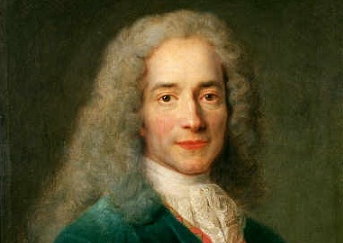
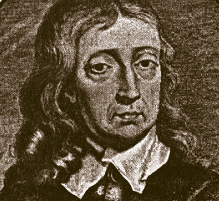
1694 – Voltaire, French philosopher (d. 1778) — portrait above
1729 – Josiah Bartlett, American signer of the Declaration of Independence (d. 1795)
1870 – Alexander Berkman, anarchist (d. 1936), who shot but did not kill industrialist Henry Clay Frick

Categories
Today

November 20, Tolstoy

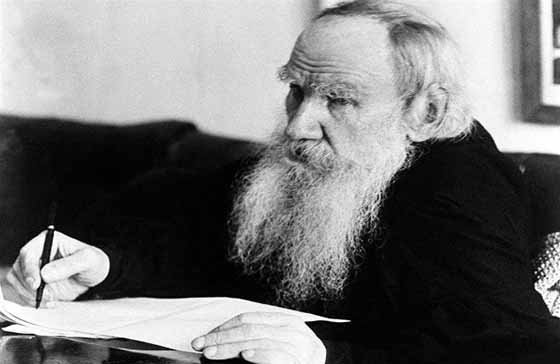
On November 20, 1910, Leo Nikolayevich Tolstoy, Russian author of several classic novels, including War and Peace, and novellas such as “The Death of Ivan Ilyich,” died. Late in his life he wrote a “Letter to a Hindoo” and the essay “The Kingdom of God Is Within You” that served to influence Mohandes K. Gandhi and the non-violent independence movement in India.

Categories
Today

Of/By/For

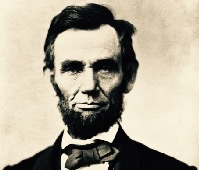
On November 19, 1863, President Abraham Lincoln delivered the Gettysburg Address at the ceremonial dedication of the military cemetery in Gettysburg, Pennsylvania, appropriating an old phraseology for republican government — “of the people, by the people, for the people” — and giving it its most memorable usage.

On the same date in 1955, National Review published its first issue.

Categories
Today

Tell and Shaw

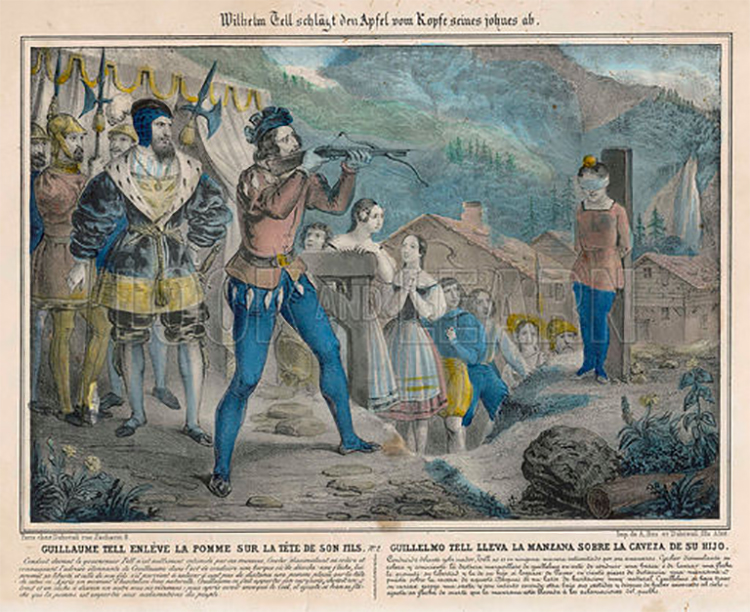
On November 18, 1307, legend has it, William Tell shot a crossbow bolt to pierce an apple, toppling it off his son’s head. He was forced to do this by the local Austrian authority, whose hat hung on a pole in the Altdorf town square Tell had refused to bow to when entering the village. Tell endures as a Swiss folk hero, and provides the subject of a famous opera by Rossini — the music of which is associated with, in many ears, Bugs Bunny and the Lone Ranger.

In 1926, on this date, George Bernard Shaw formally refused to accept the money for his Nobel Prize for Literature, saying, “I can forgive Alfred Nobel for inventing dynamite, but only a fiend in human form could have invented the Nobel Prize.”

Categories
Today

Confederation

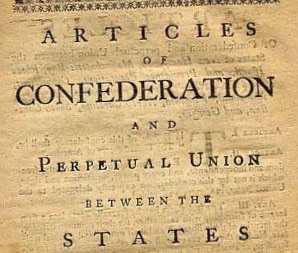
On November 17, 1777, the Articles of Confederation were submitted to the states for ratification.

On that date in 1800, the United States Congress held its first session in Washington, D.C.

Categories
Today

Inca’s End

Francisco Pizarro and his men captured Inca Emperor Atahualpa at the Battle of Cajamarca on November 16, 1532. However murderous and greedy Pizarro undoubtedly was, the Inca’s empire was as evil as the Soviet Union, so, well, some recognition is due.

Categories
Today

The Original Confederation, Formalized

On November 15, 1777, the Continental Congress approved, and sent to the states for ratification, the “Articles of Confederation — after 16 months of deliberation. The first article gave the official name of the confederacy:

The Stile of this Confederacy shall be

The United States of America.