Categories
Today

Slavery and Heresy

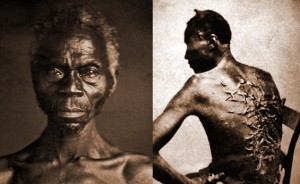
On May 18, 1652, Rhode Island passed the first law in English-speaking North America making slavery illegal.


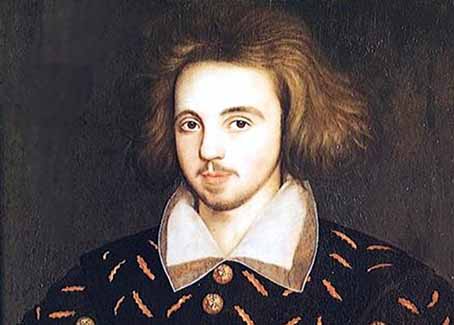
On May 18, 1593, playwright Thomas Kyd’s accusations of heresy led to an arrest warrant for fellow playwright Christopher (“Kit”) Marlowe.

Kyd was the famed author of The Spanish Tragedy, and Kit Marlowe [pictured] was known for a number of plays, including The Jew of Malta and The Tragicall History of the Life and Death of Doctor Faustus.

Marlowe died a few weeks later, on May 30, without having been arrested. The circumstances of his death were bizarre, suspicious — as if written by a playwright.
Categories
Today

Watergate!

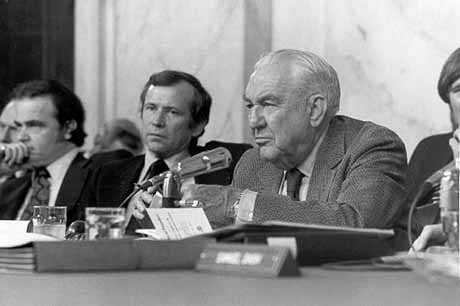
On May 17, 1973, televised hearings regarding the Watergate scandal began in the United States Senate. Sen. Sam Ervin chaired.

Little did participants know that the name of the hotel in which the White House-arranged break-ins occurred would provide a template for most future political scandals: “-gate” would be suffixed to nearly every other possible designator of scandal. The Democratic vendetta against Republican Donald Trump for winning the 2016 election has been called “Russiagate,” for example.

And on May 11, 2020, Trump retweeted a previous post with one additional word: “OBAMAGATE!”

This could be called a “suffix meme.” Or “insufferable meme,” if you prefer.

Categories
Today

Oregon Trail

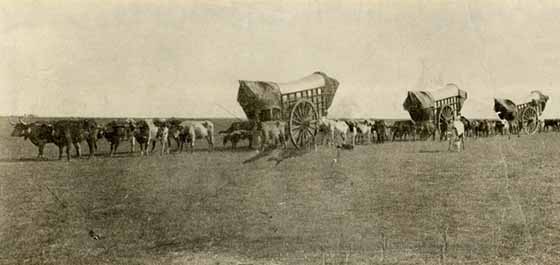
On May 16, 1843, one thousand pioneers from Elm Grove, Missouri, set off for the Pacific Northwest, blazing what became known as the “Oregon Trail.”

Categories
Today

Virginia for Independence

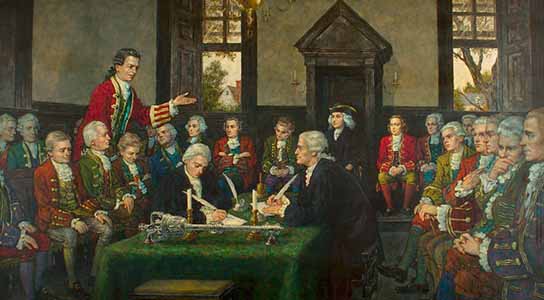
On May 15, 1776, the Virginia Convention instructed its Continental Congress delegation to propose a resolution of independence from Great Britain, paving the way for the United States’ Declaration of Independence.

Categories
Today

Constitution, huzzah?

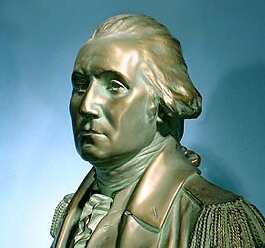
On May 14, 1787, delegates convened a Constitutional Convention, in Philadelphia, Pennsylvania, to write a new Constitution for the United States. George Washington presided over the convention.

On the same day a century later, jurist and pamphleteer Lysander Spooner — author of several important treatises, including “Trial by Jury” and “The Unconstitutionality of Slavery,” an infamous pamphlet entitled “No Treason: The Constitution of No Authority” — died.

Categories
Today

Brazilian slavery

On May 13, 1888, Brazil abolished slavery with the passage of the Lei Áurea (“Golden Law”).

Categories
Today

Axis in Africa

On May 12, 1943, Axis forces in North Africa surrendered.

Categories
Today

Union, disunion

On May 11, 1858, Minnesota was admitted as the 32nd U.S. State.

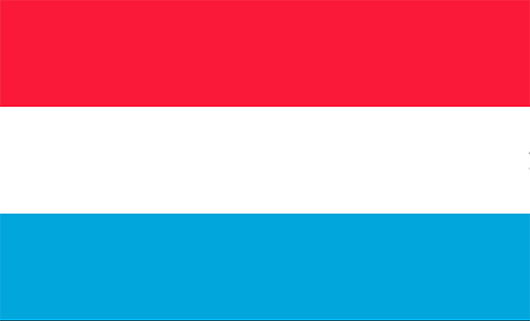
Nine years later, to the day, the Grand Duchy of Luxembourg’s independence and neutrality were affirmed in the Second Treaty of London.

Categories
Today

Victoria Woodhull

On May 10, 1872, Victoria Woodhull became the first woman nominated for President of the United States.


In a landmark Supreme Court decision on May 10, 1893, the tomato was ruled a vegetable, not a fruit.

Categories
Today

John & José

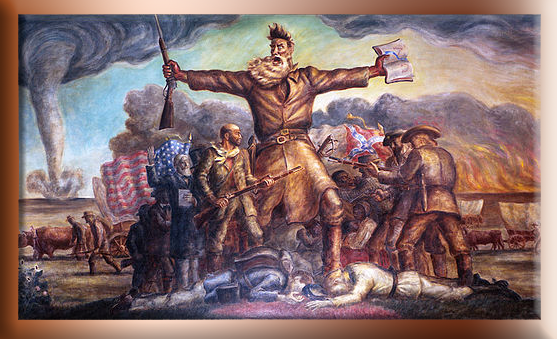
On May 9, 1800, abolitionist hero and revolutionary (and, depending upon your point of view and certain definitions, insurrectionist, perhaps even terrorist) John Brown was born.

In 1883 on this date, Spanish philosopher José Ortega y Gasset was born. He is most famous for his book The Revolt of the Masses.