On June 3, 1959, Singapore adopted a constitution.
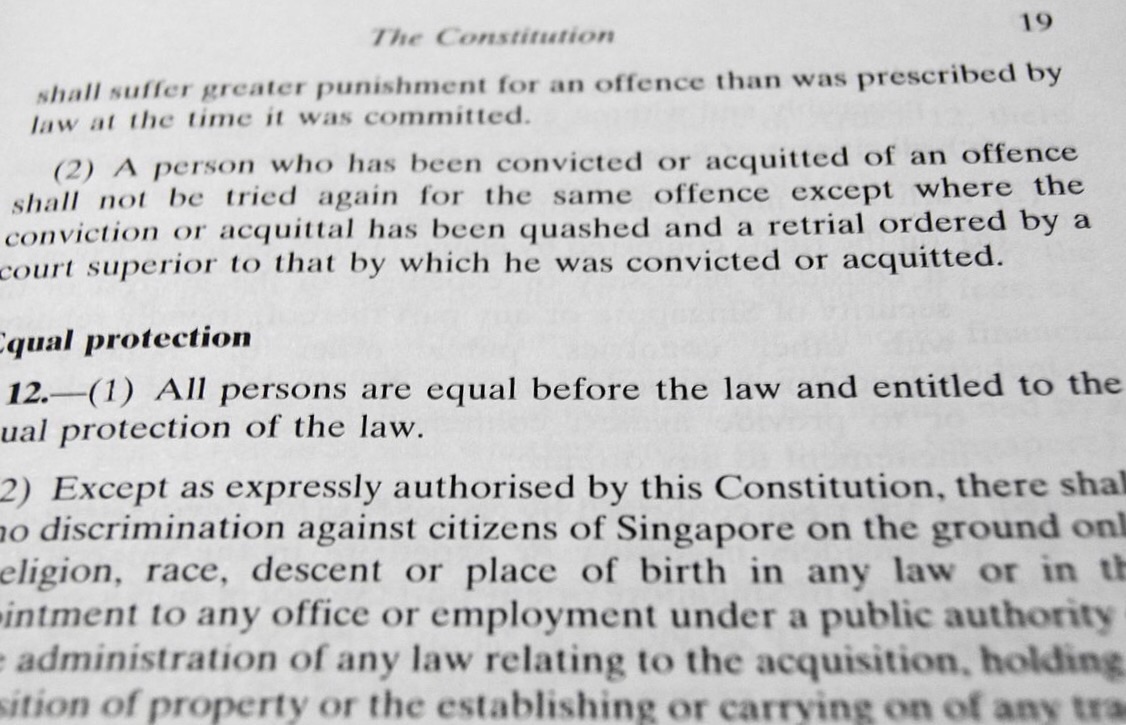
On June 3, 1959, Singapore adopted a constitution.
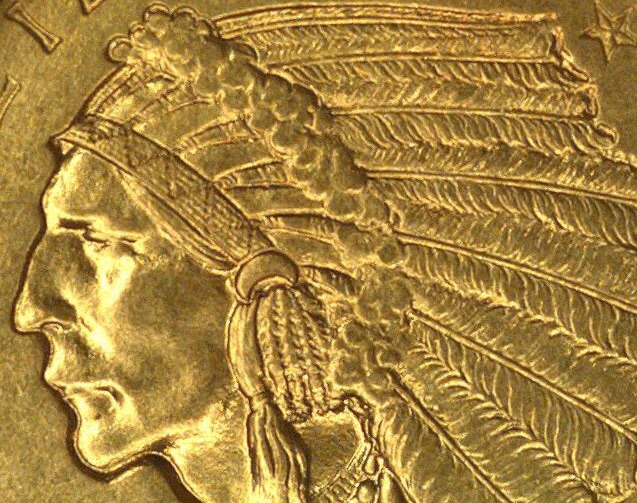
On June 2, 1924, President Calvin Coolidge signed the Indian Citizenship Act into law, granting citizenship to all Native Americans born within the territorial limits of the United States.
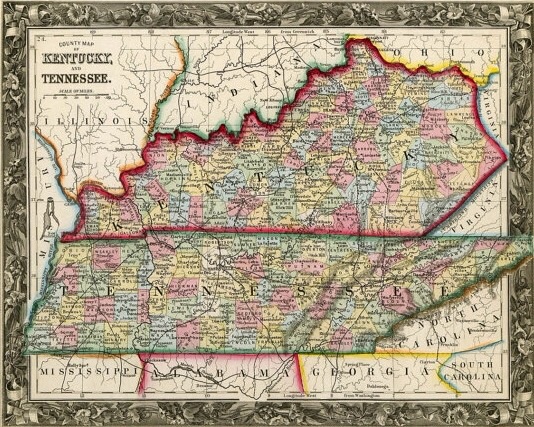
On June 1, 1792, Kentucky was admitted as the 15th state of the United States. Four years later, Tennessee became the 16th state.
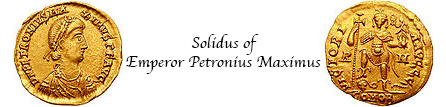
On May 31, 455 A.D., Emperor Petronius Maximus was stoned to death by an angry mob while fleeing Rome.
On that date in 1578, King Henry III laid the first stone of the Pont Neuf (New Bridge), the oldest bridge of Paris, France.
In other rock history, May 31, 2013, marked the closest approach to Earth that the asteroid 1998 QE2 and its moon will get until two centuries hence.
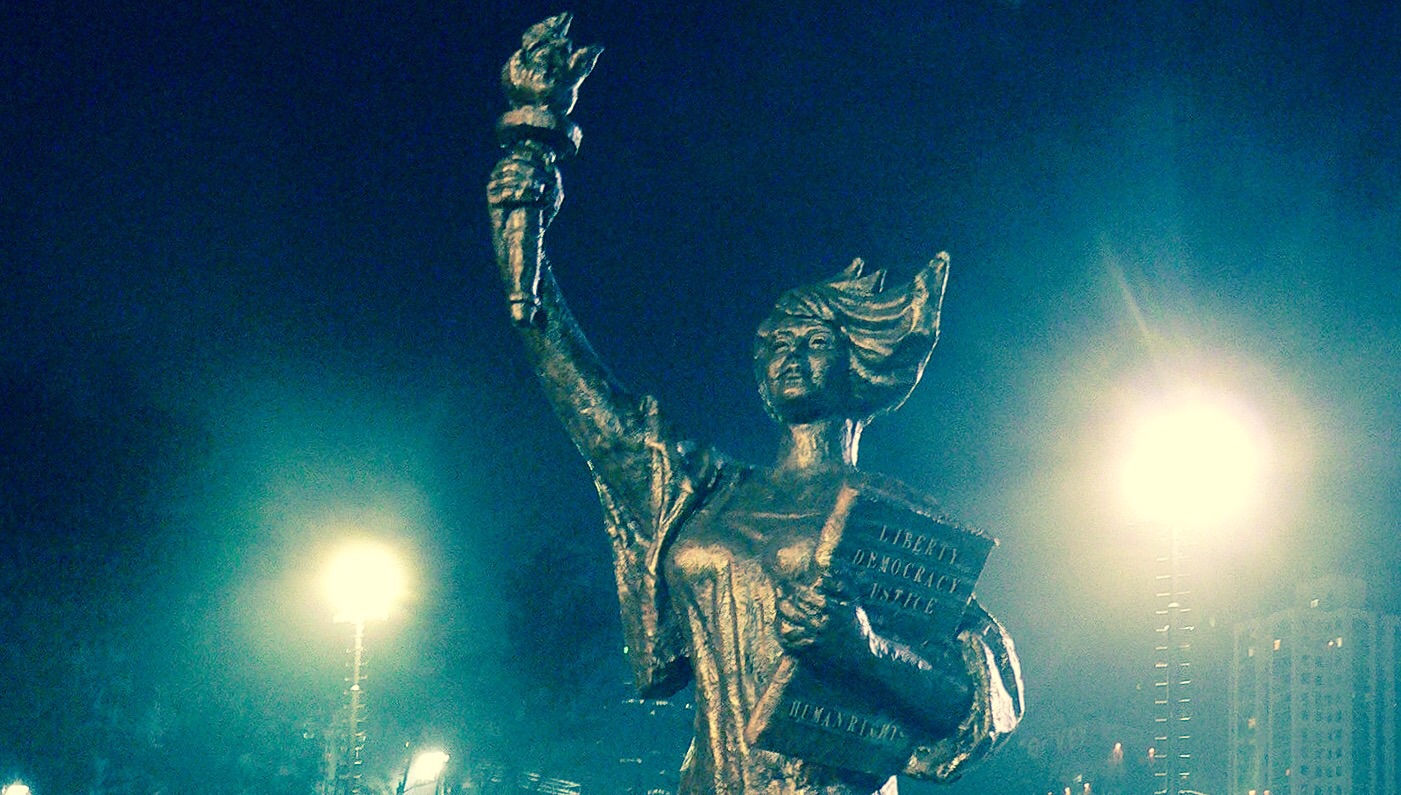
On May 30, 1989, student demonstrators unveiled a 33-foot high “Goddess of Democracy and Freedom” statue in Tiananmen Square.
On May 29, 1790, Rhode Island became the last of North America’s original Thirteen Colonies-turned-states to ratify the Constitution.
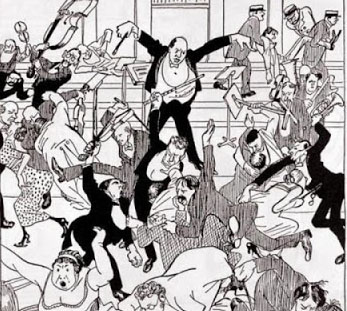
On the same in 1913, Igor Stravinsky’s ballet score The Rite of Spring received its premiere performance in Paris, France, provoking a riot.
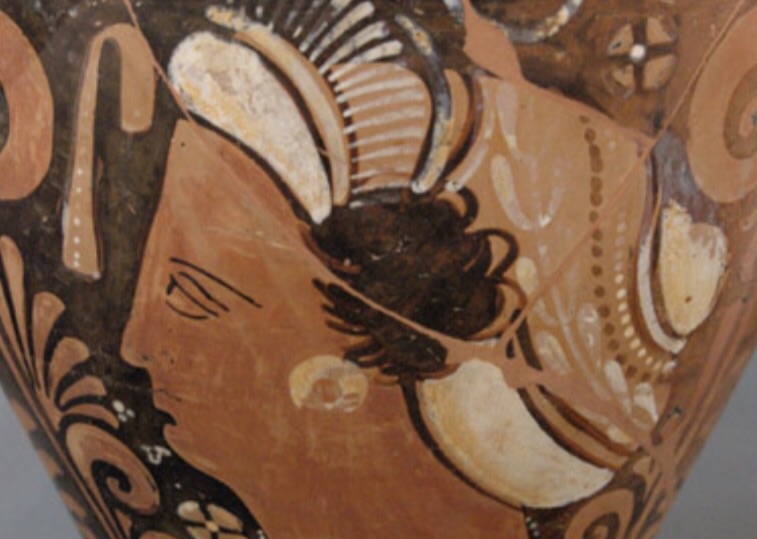
On May 28, 1952, the women of Greece gained the right to vote.
On May 27, 1860, Giuseppe Garibaldi began his attack on Palermo, Sicily, as part of the Italian unification.
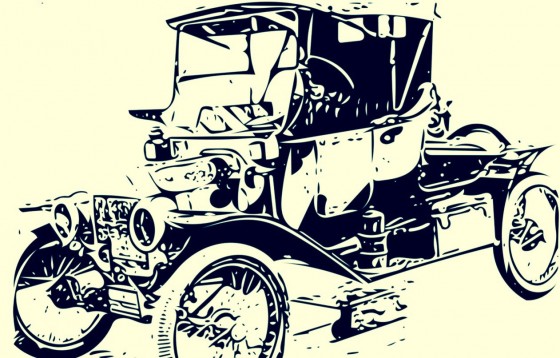
In 1927 on this date in May, the Ford Motor Company ceased manufacture of the Ford Model T (pictured above), the last of this model coming off the line the day previous. Over 16 million Model T Fords had been sold; it was a world-transformative product. On the 27th, the company began to retool plants to make the Ford Model A.
Exactly 70 years later, the U.S. Supreme Court ruled that Paula Jones could pursue her sexual harassment lawsuit against President Bill Clinton while he was in office.
In 2015 on the 27th of May, the commercial space company SpaceX was approved as a contractor to the U.S. military for satellite launches; SpaceX has since led the world in its use of
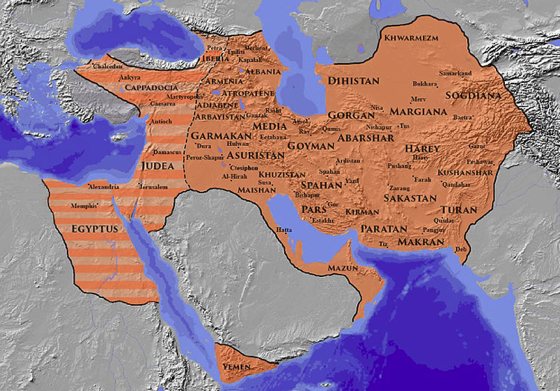
On May 26, 451, the Sassanid Empire defeated the Armenians at the battle of
On May 26, 1328, scholastic philosopher and Franciscan friar William of Ockham and other Franciscan leaders secretly exited Avignon, fearing a death sentence from Pope John XXII. On the same day in 1538, the city of Geneva expelled John Calvin and his followers, who headed to exile in Strasbourg.

May 25, 1818, the Swiss historian and academic Jacob Burckhardt was born. Burckhardt’s best-known work is The Civilization of the Renaissance in Italy (1860), but is remembered here as the author of Reflections on History (1905).
Burckhardt died on August 8, 1897.