The struggle of endurance involved in a strike is, really, what it has often been compared to — a war; and, like all war, it lessens wealth. And the organization for it must, like the organization for war, be tyrannical.
Categories
The struggle of endurance involved in a strike is, really, what it has often been compared to — a war; and, like all war, it lessens wealth. And the organization for it must, like the organization for war, be tyrannical.
 The end of law is not to abolish or restrain, but to preserve and enlarge freedom. For in all the states of created beings capable of law, where there is no law, there is no freedom.
The natural liberty of man is to be free from any superior power on earth, and not to be under the will or legislative authority of man, but to have only the law of nature for his rule.
 Universal history is the history of a few metaphors.
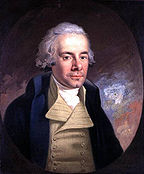 It is the true duty of every man to promote the happiness of his fellow creatures to the utmost of his power.
— William Wilberforce
When we think of eternity, and of the future consequences of all human conduct, what is there in this life that should make any man contradict the dictates of his conscience, the principles of justice, the laws of religion, and of God?
If to be feelingly alive to the sufferings of my fellow-creatures is to be a fanatic, I am one of the most incurable fanatics ever permitted to be at large.
You may choose to look the other way but you can never again say you did not know.
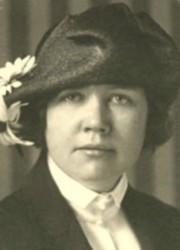 I came out of the Soviet Union no longer a communist, because I believed in personal freedom.
— Rose Wilder Lane
The need for Government is the need for force; where force is unnecessary, there is no need for Government.