They are not skilful considerers of human things, who imagine to remove sin by removing the matter of sin; for, besides that it is a huge heap increasing under the very act of diminishing, though some part of it may for a time be withdrawn from some persons, it cannot from all, in such a universal thing as books are; and when this is done, yet the sin remains entire. Though ye take from a covetous man all his treasure, he has yet one jewel left, ye cannot bereave him of his covetousness. Banish all objects of lust, shut up all youth into the severest discipline that can be exercised in any hermitage, ye cannot make them chaste, that came not hither so; such great care and wisdom is required to the right managing of this point. Suppose we could expel sin by this means; look how much we thus expel of sin, so much we expel of virtue: for the matter of them both is the same; remove that, and ye remove them both alike.
 A state too expensive in itself, or by virtue of its dependencies, ultimately falls into decay; its free government is transformed into a tyranny; it disregards the principles which it should preserve, and finally degenerates into despotism. The distinguishing characteristic of small republics is stability: the character of large republics is mutability.
 The people are Sovereign…. at the Revolution, the sovereignty devolved on the people; and they are truly the sovereigns of the country, but they are sovereigns without subjects … with none to govern but themselves; the citizens of America are equal as fellow citizens, and as joint tenants in the sovereignty.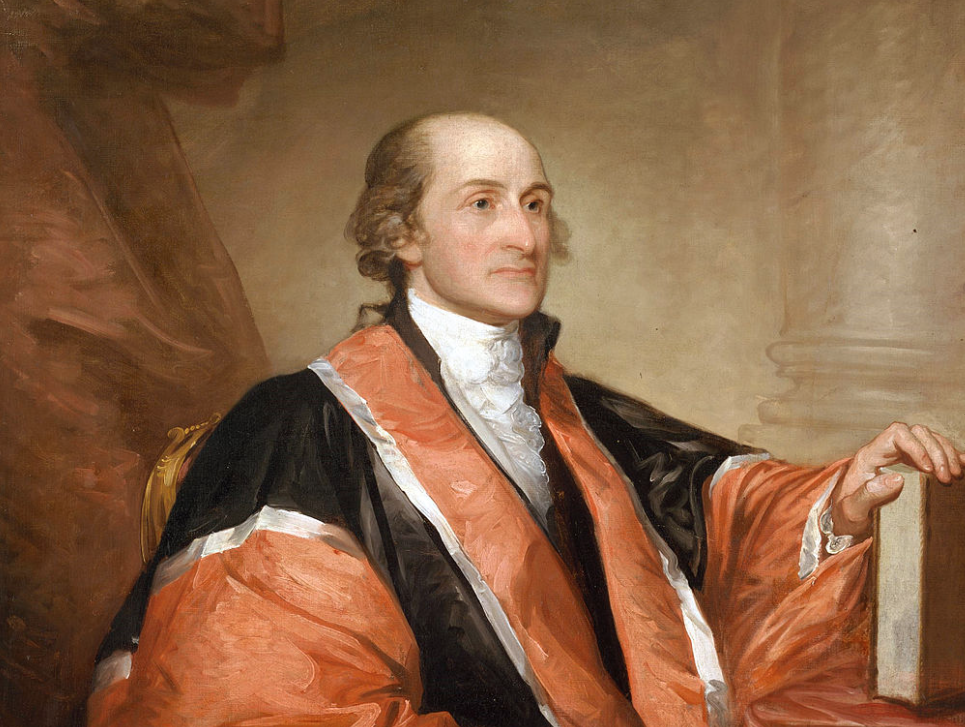
 War: first one hopes to win: then one expects the enemy to lose; then, one is satisfied that he too is suffering; in the end, one is surprised that everyone has lost.
 When one gets in bed with government, one must expect the diseases it spreads.