Socialism is but the further screwing up of the State machine to limit the individual.
James Huneker, in Egoists: A Book of Supermen (1913), p. 364.
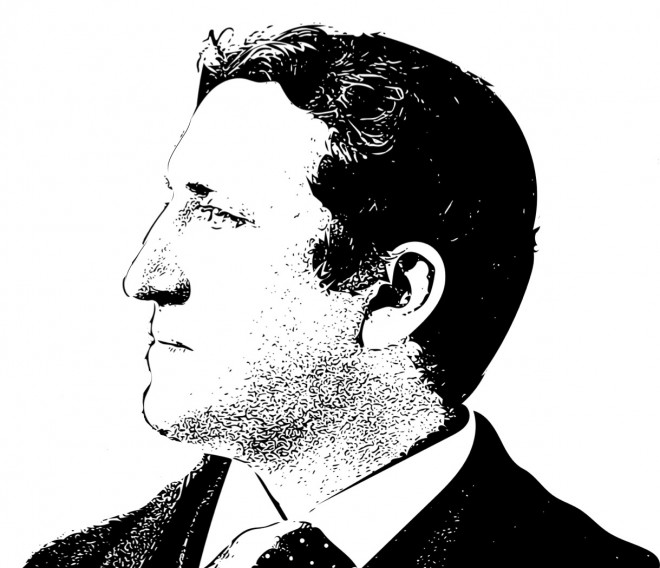
Socialism is but the further screwing up of the State machine to limit the individual.
James Huneker, in Egoists: A Book of Supermen (1913), p. 364.
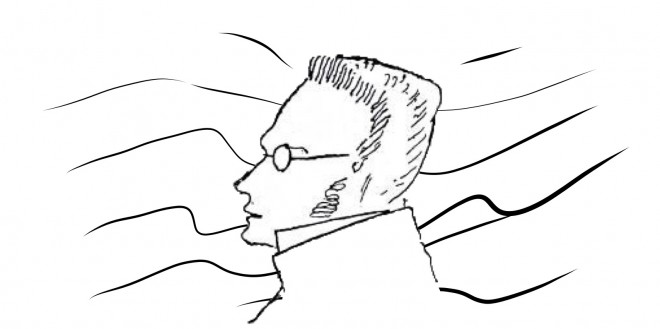
What matters the party to me? I shall find enough anyhow who unite with me without swearing allegiance to my flag.
Max Stirner, Der Einzige und sein Eigenthum translated by Steven T. Byington (1907).
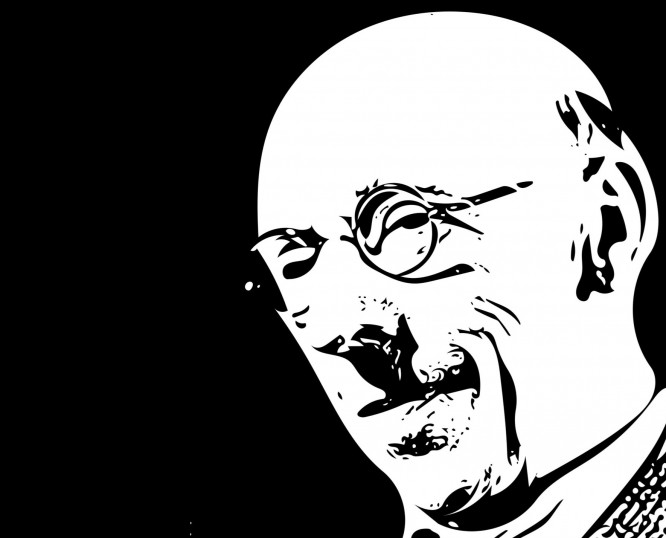
Illustration of Stirner by Friedrich Engels, modified.
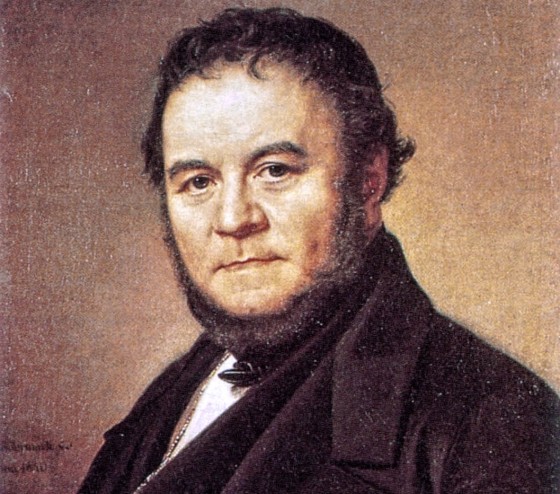
No man with a face capable of a hundred shades of expression can be ugly.
James Huneker, a portrait of “A Sentimental Education: Henry Beyle — Stendhal” [pictured above], in Egoists: A Book of Supermen (1913), p. 2.

Alas, if man is blind, shall his misfortune be also his crime? I may have mistaken the voice of reason; but never, knowingly, have I rejected its authority.
C. F. Volney, The Ruins, or, Meditation on the Revolutions of Empires (1793; second English-language edition, the Philadelphia translation, 1802).
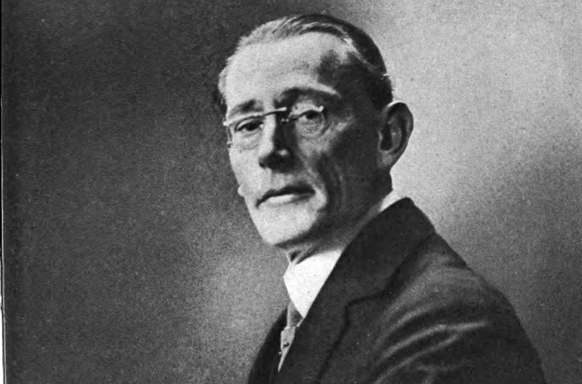
The only remedy against the malady of life is life itself. The bane is its own antidote.
William J. Locke, The Glory of Clementina (1911).

Either the USSR was not the country of socialism, in which case socialism didn’t exist anywhere and doubtless, wasn’t possible: or else, socialism was that, this abominable monster, this police state, the power of beasts of prey.
Jean-Paul Sartre, Les Temps modernes, 1961.
He who has failed three times sets up as an instructor.
Ernest Bramah, Kai Lung Unrolls His Mat, “The Story of Lin Ho and the Treasure of Fang-Tso” (1928)
I believe half the unhappiness in life comes from people being afraid to go straight at things.
William J. Locke, Simon the Jester (1910)
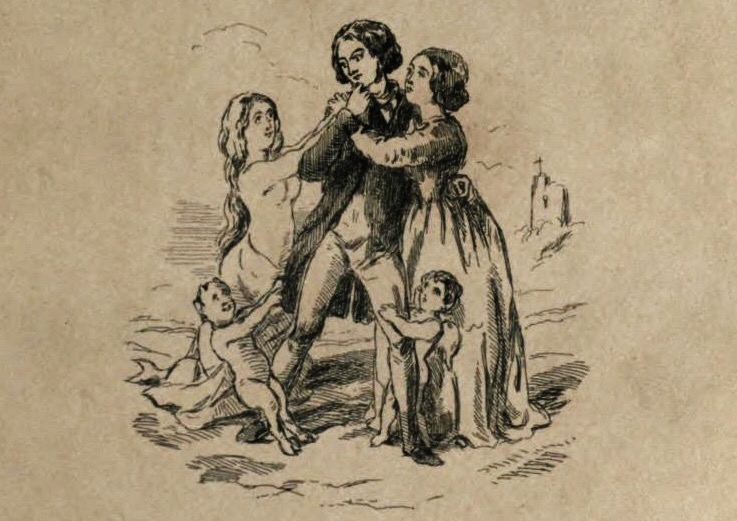
William Makepeace Thackeray, The History of Pendennis (1848-1850), preface.
[W]e judge of a man’s character, after long frequenting his society, not by one speech, or by one mood or opinion, or by one day’s talk, but by the tenor of his general bearing and conversation….
No more, America, in mournful strain
Of wrongs, and grievance unredress’d complain,
No longer shalt thou dread the iron chain,
Which wanton Tyranny with lawless hand
Had made, and with it meant t’ enslave the land.
Should you, my lord, while you peruse my song,
Wonder from whence my love of Freedom sprung,
Whence flow these wishes for the common good,
By feeling hearts alone best understood,
I, young in life, by seeming cruel fate
Was snatch’d from Afric’s fancy’d happy seat:
What pangs excruciating must molest,
What sorrows labour in my parent’s breast?
Steel’d was that soul and by no misery mov’d
That from a father seiz’d his babe belov’d:
Such, such my case. And can I then but pray
Others may never feel tyrannic sway?
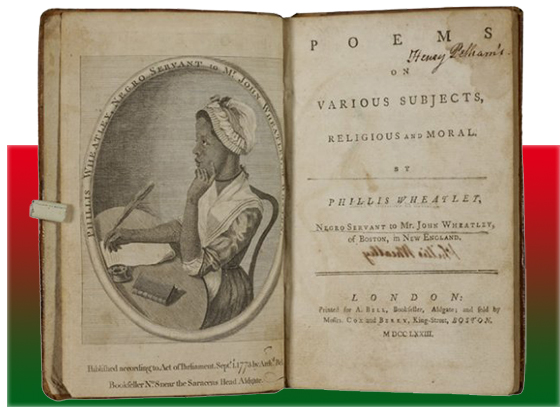
Phillis Wheatley, from “To The Rt. Hon. William, Earl Of Dartmouth”