I do not wish women to have power over men; but over themselves.
Mary Wollstonecraft Shelley, detail (above) of a portrait by Richard Rothwell, oil on canvas, first exhibited 1840.
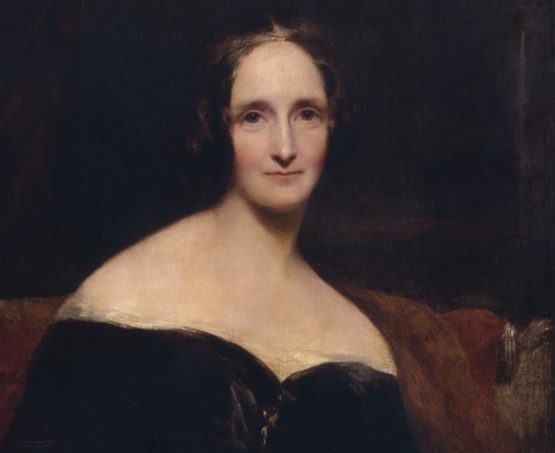
I do not wish women to have power over men; but over themselves.
Mary Wollstonecraft Shelley, detail (above) of a portrait by Richard Rothwell, oil on canvas, first exhibited 1840.
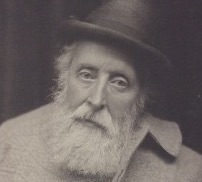
To live in a state of liberty is not to live apart from law. It is, on the contrary, to live under the highest law, the only law that can really profit a man, the law which is consciously and deliberately imposed by himself on himself.
Auberon Herbert, The Right and Wrong of Compulsion by the State (1885)
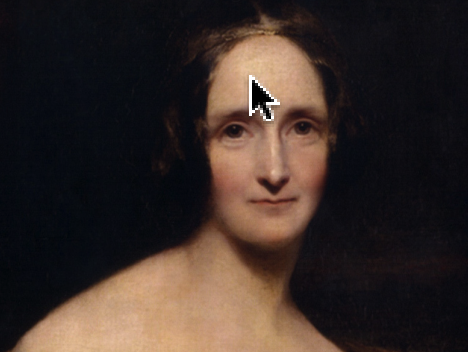
All judges had rather that ten innocent should suffer than that one guilty should escape.
Mary Wollstonecraft Shelley, Victor Frankenstein of Justine Moritz in Frankenstein; or, The Modern Prometheus (1818), Ch. 8
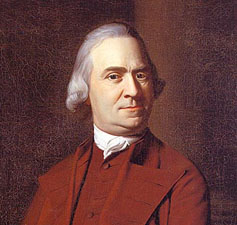
Samuel Adams, essay, written under the pseudonym “Candidus,” in The Boston Gazette (October 14, 1771).
The truth is, all might be free if they valued freedom, and defended it as they ought.
Invention, it must be humbly admitted, does not consist in creating out of void, but out of chaos; the materials must, in the first place, be afforded: it can give form to dark, shapeless substances, but cannot bring into being the substance itself. . . . Invention consists in the capacity of seizing on the capabilities of a subject, and in the power of moulding and fashioning ideas suggested to it.
Mary Wollstonecraft Shelley, Frankenstein; or, The Modern Prometheus (1818), Introduction to the 1831 edition
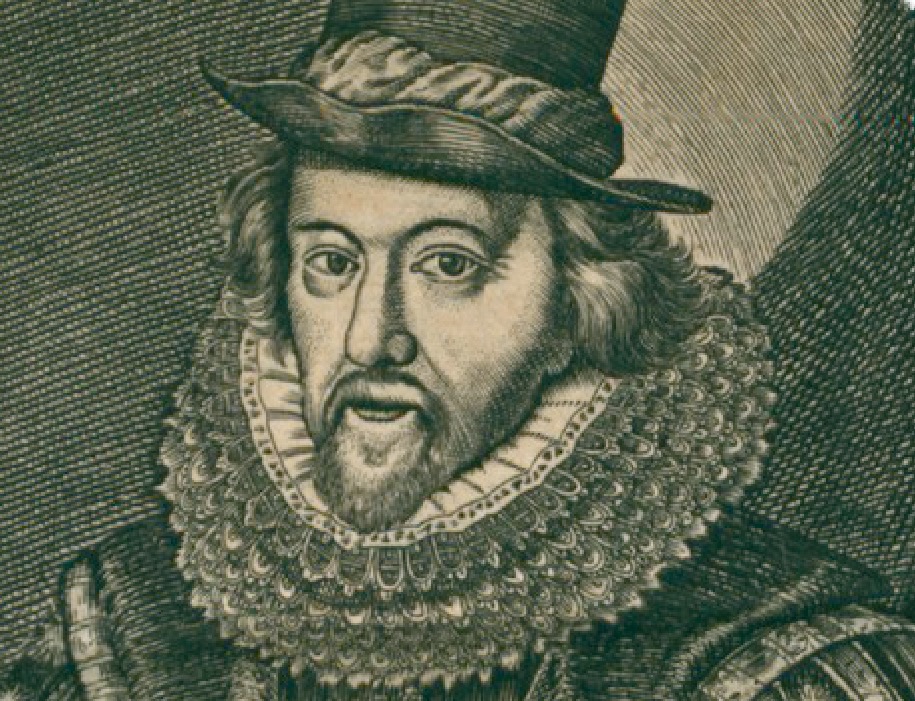
What is truth? said jesting Pilate, and would not stay for an answer. Certainly there be, that delight in giddiness, and count it a bondage to fix a belief; affecting free-will in thinking, as well as in acting. And though the sects of philosophers of that kind be gone, yet there remain certain discoursing wits, which are of the same veins, though there be not so much blood in them, as was in those of the ancients. But it is not only the difficulty and labor, which men take in finding out of truth, nor again, that when it is found, it imposeth upon men’s thoughts, that doth bring lies in favor; but a natural, though corrupt love, of the lie itself.
Francis Bacon, “Of Truth,” The Essays or Counsels, Civil and Moral (1625, third and final edition)
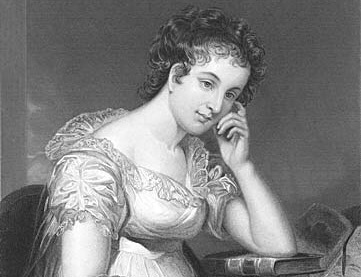
Surely it is much more generous to forgive and remember, than to forgive and forget.
Maria Edgeworth, “An Essay on the Noble Science of Self-Justification” in Tales and Novels, vol. 1, p. 213.
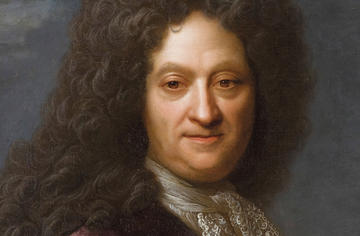
It was only necessary to let nature and liberty alone.
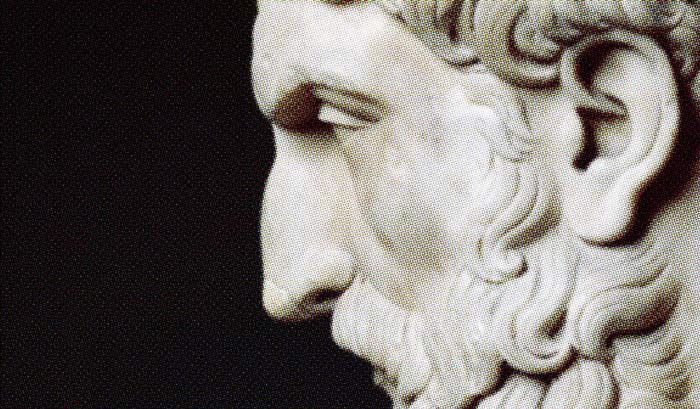
The just person enjoys the greatest peace of mind, while the unjust is full of the utmost disquietude.
Epicurus, Principal Doctrines, 17
Those animals which are incapable of making binding agreements with one another not to inflict nor suffer harm are without either justice or injustice; and likewise for those peoples who either could not or would not form binding agreements not to inflict nor suffer harm.