One horse-laugh is worth ten thousand syllogisms. It is not only more effective; it is also vastly more intelligent.
Categories
H. L. Mencken
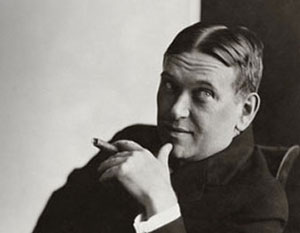
One horse-laugh is worth ten thousand syllogisms. It is not only more effective; it is also vastly more intelligent.
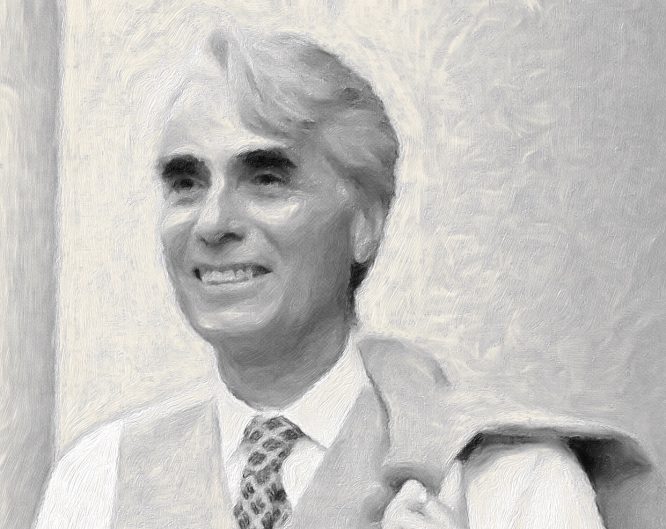
Individuals have rights and there are things no person or group may do to them (without violating their rights). So strong and far-reaching are these rights that they raise the question of what, if anything, the state and its officials may do. How much room do individual rights leave for the state?
Philosopher Robert Nozick, Anarchy, State and Utopia (1974), first sentence.
We’re not earning any money by ‘saving.’ The government is manipulating the economy for nobody’s good but its own. Republicans and Democrats both do this; probably Democrats do it for worse purposes than Republicans.
But it’s about time that we all learned what’s going on. Call it a lesson in economic reality.
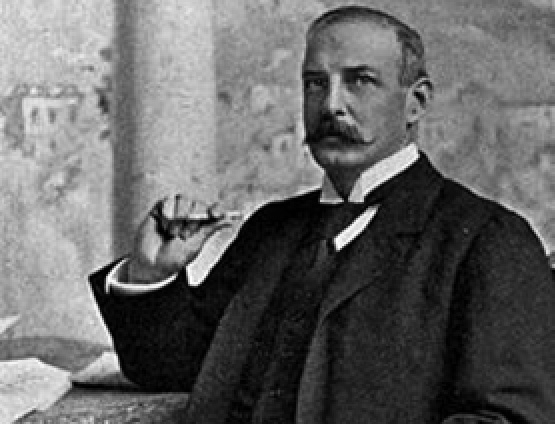
The artist may doubt his own work, but he is bitterly disappointed if other people doubt it also.

There cannot, I conceive, be any question that to the assumption of a Law Natural we owe the doctrine of the fundamental equality of human beings. That ‘all men are equal’ is one of a large number of legal propositions which, in progress of time, have become political.
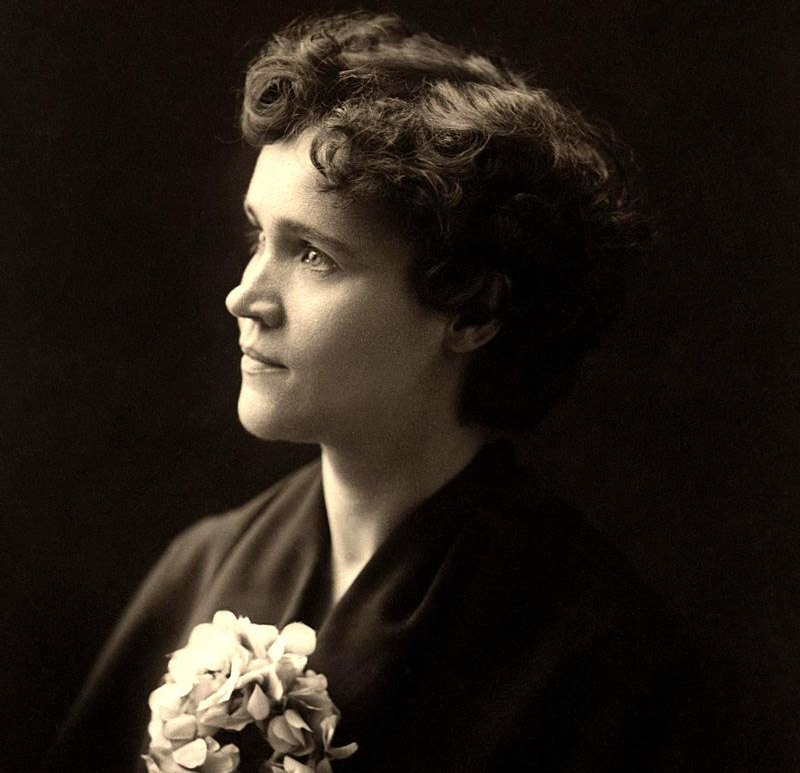
When I look at this poor, bleeding, wounded World, this world that has suffered so long, struggled so much, been scourged so fiercely, thorn-pierced so deeply, crucified so cruelly, I can only shake my head and remember: The giant is blind, but he’s thinking: and his locks are growing, fast.
Our deepest fear is not that we are inadequate. Our deepest fear is that we are powerful beyond measure. It is our light, not our darkness that most frightens us. We ask ourselves, Who am I to be brilliant, gorgeous, talented, fabulous? Actually, who are you not to be? You are a child of God. Your playing small does not serve the world. There is nothing enlightened about shrinking so that other people won’t feel insecure around you. We are all meant to shine, as children do. We were born to make manifest the glory of God that is within us. It’s not just in some of us; it’s in everyone. And as we let our own light shine, we unconsciously give other people permission to do the same. As we are liberated from our own fear, our presence automatically liberates others.
Marianne Williamson, A Return to Love: Reflections on the Principles of “A Course in Miracles,” Ch. 7, Section 3 (1992), p. 190
One of the rarest qualities of national character is the capacity for applying and working out the law, as such, at the cost of constant miscarriages of abstract justice, without at the same time losing the hope or the wish that law may be conformed to a higher ideal.
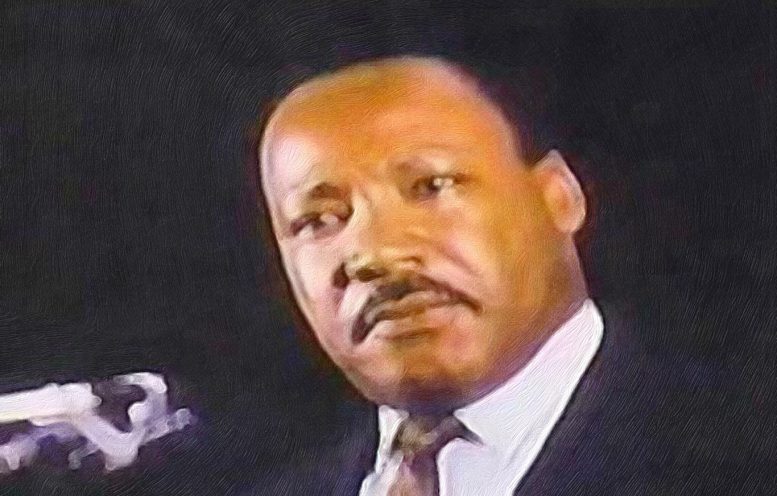
Well, I don’t know what will happen now. We’ve got some difficult days ahead. But it doesn’t matter with me now. Because I’ve been to the mountaintop. And I don’t mind. Like any man, I would like to live a long life. Longevity has its place. But I’m not concerned about that now. I just want to do God’s will. And He’s allowed me to go up to the mountain. And I’ve looked over. And I’ve seen the promised land. I may not get there with you. But I want you to know tonight, that we, as a people will get to the promised land. And I’m happy, tonight. I’m not worried about anything. I’m not fearing any man. Mine eyes have seen the glory of the coming of the Lord.
Martin Luther King, Jr., a day before his assassination, in a speech delivered at Bishop Charles Mason Temple in Memphis, Tennessee.
There is a scale in the meaning of the word socialist. In France it means about the same thing as a communist, when one uses plain language. When one uses the language of Monsieur Drumont, it means a Jew. In England a socialist is equal to a French conservative republican. In America it means a thief. In Germany it means an ingenious individual of restricted financial resources, who generally fails to blow up some important personage with wet dynamite. In Italy a socialist is an anarchist pure and simple, who wishes to destroy everything existing for the sake of dividing a wealth which does not exist at all. It also means a young man who orders a glass of water and a toothpick at a cafe, and is able to talk politics for a considerable time on this slender nourishment.