Man, when perfected, is the best of animals, but when separated from law and justice, he is the worst of all.
Aristotle, Politics, Book One.
Man, when perfected, is the best of animals, but when separated from law and justice, he is the worst of all.
Aristotle, Politics, Book One.
The superior man is modest in his speech, but exceeds in his actions.
Master Kong, The Analects, fourth chapter.
An unlearned carpenter of my acquaintance once said in my hearing: ‘There is very little difference between one man and another; but what little there is, is very important.’ This distinction seems to me to go to the root of the matter.
William James, “The Importance of Individuals” in The Will to Believe and Other Essays in Popular Philosophy (1897)
Natural justice is a pledge of reciprocal benefit, to prevent one man from harming or being harmed by another.
Those animals which are incapable of making binding agreements with one another not to inflict nor suffer harm are without either justice or injustice; and likewise for those peoples who either could not or would not form binding agreements not to inflict nor suffer harm.
The monopolist . . . never has unlimited control; he merely has the choice within the laws of price of different ‘economically possible’ price levels. He can select that price at which the combination of profit for each article, and the number of articles to be sold at that price, are likely to promise the greatest total profit, but he cannot exert his ‘power’ in any other way than in conformity with the laws of price, for it is his behavior that establishes the ‘price law,’ namely the conditions of the amount offered at a given price level, but never can he counteract the laws of price.
Eugen von Böhm-Bawerk, “Control or Economic Law,” Zeitschrift für Volkswirtshaft, Sozialpolitik und Verwaltung, Volume XXIII (1914): 205–71; John Richard Mez, Ph.D., translator.
The just person enjoys the greatest peace of mind, while the unjust is full of the utmost disquietude.
Epicurus, Principal Doctrines, 17
“Scientific method consists in applying to those subjects which lie without the range of our immediate experience those same common-sense methods of reasoning which successful men of the world apply in judging of matters which concern their own interests.”
Simon Newcomb, Principles of Political Economy, 1886, chapter III, “Of Scientific Method”
[T]hrift is never popular. . . . If parliaments have historically been the guardians of thrift, they now have turned much rather into its sworn enemies. Nowadays, the political and national parties — maybe not exclusively in our own country, but certainly also here — tend to develop a certain covetousness, almost considered to be dutiful, for all kinds of benefits for their own electorate at the expense of the general public.
Eugen von Böhm-Bawerk, as quoted by Ludwig von Mises, “The Economist Eugen von Böhm-Bawerk” (Neue Freie Presse, Vienna, August 27, 1924) — described by Mises as “the last words that Böhm-Bawerk addressed to Austria’s financial authorities.”
It is up to the government to keep the government’s secrets.
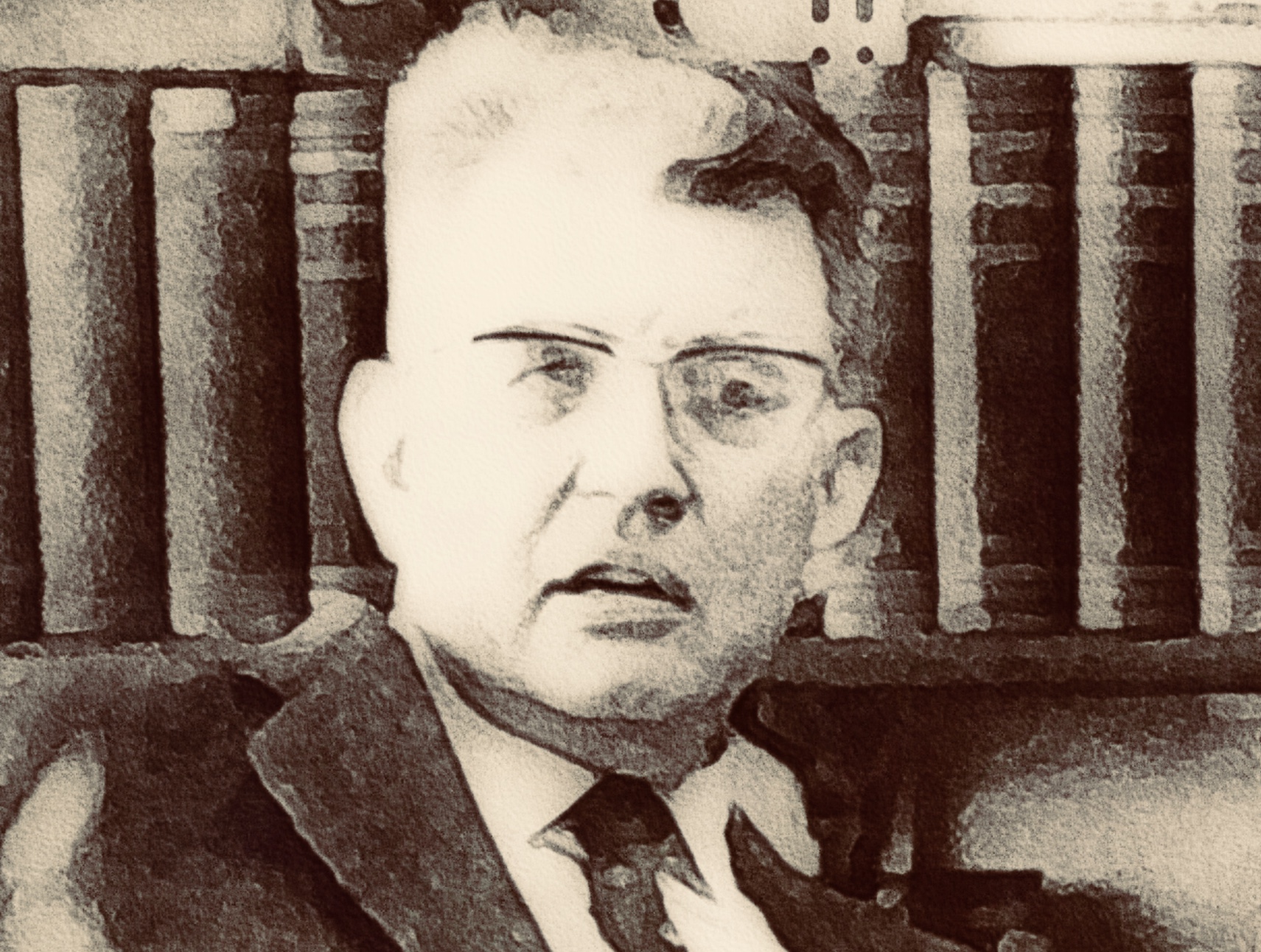
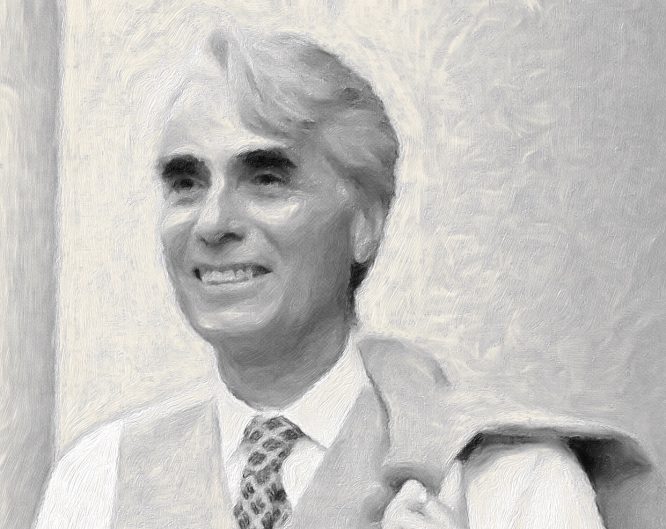
Bob Novak was born on February 26, 1931. He died in 2009.