To suppress free speech is a double wrong. It violates the rights of the hearer as well as those of the speaker.
Categories
Frederick Douglass
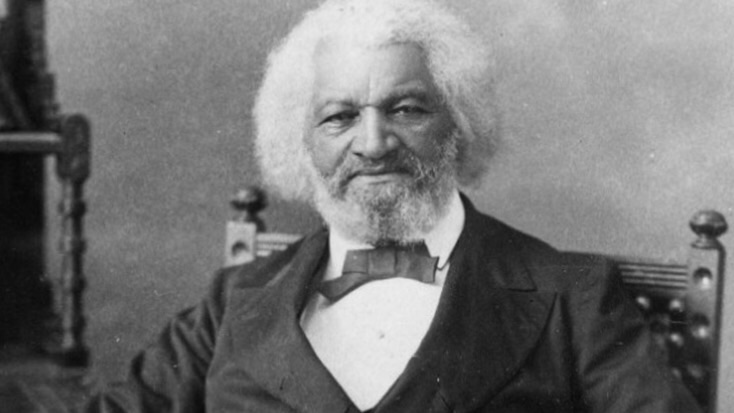
To suppress free speech is a double wrong. It violates the rights of the hearer as well as those of the speaker.

Harriet Beecher Stowe, “The Cathedral,” The Atlantic Monthly (1846).
What makes saintliness in my view, as distinguished from ordinary goodness, is a certain quality of magnanimity and greatness of soul that brings life within the circle of the heroic.
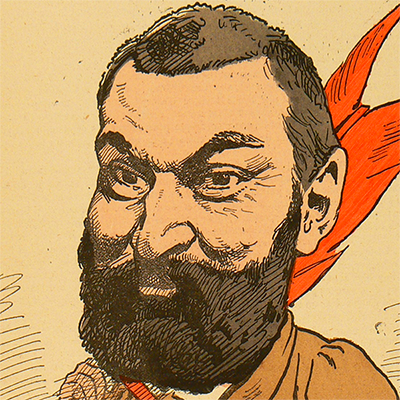
With the development of civilisation, man’s wants become more various, and his aptitudes more specialised. The consequence is, that he can produce more utilities than before; but these utilities are more limited in their nature; they are all of one kind. He now produces, not so much what he wants, as what others want. Hence it comes to pass that exchange becomes an ever more imperious necessity; for exchange consists in giving away what are to us superfluous utilities in order to obtain what are to us necessary utilities.
Yves Guyot, C. H. d’Eyncourt Leppington, translator, Principles of Social Economy (1892), p. 65.
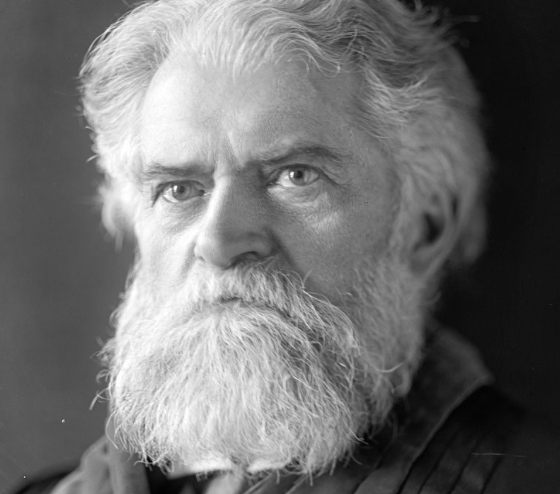
A common mistake is that the conclusions of the plain unlettered man differ from those of economists in being more immediately founded on observed facts and less on deduction. The truth is that the plain unlettered man is more prone to rely on deduction from unproved hypotheses than the economist is. All classes must equally use deduction, because it is only by this logical process that we form any conclusion about the future effect of any present cause. Drawing the conclusion that rain will follow a certain direction of the wind with certain appearances of the clouds is an act of logical deduction. The main point in which men’s logical methods differ lies in the care with which hypotheses are formed by induction from observed facts, and the readiness of men to test them. Now it is the plain man who is most prone to form hasty generalizations from insufficient facts, to consider the conclusions which he thence deduces as final, and to be blind to all facts which do not tally with his theory.
Simon Newcomb, Principles of Political Economy, 1886, p. 40
[T]here are men who look upon social revolution as a kind of fairyland.
Yves Guyot, The Tyranny of Socialism, 1894

A journey of a thousand leagues starts with a single step.
Lao Tzu, Tao Te Ching, Ch. 64, line 12
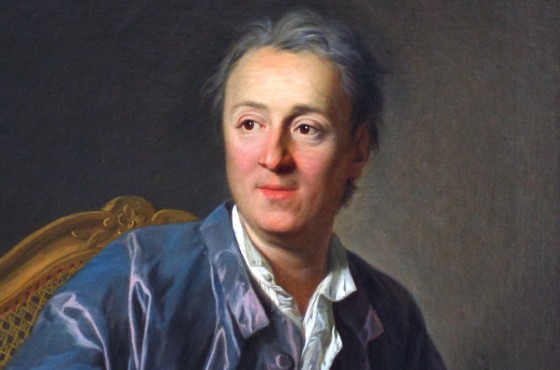
The arbitrary rule of a just and enlightened prince is always bad. His virtues are the most dangerous and the surest form of seduction: they lull a people imperceptibly into the habit of loving, respecting, and serving his successor, whoever that successor may be, no matter how wicked or stupid.
Denis Diderot, “Refutation of Helvétius” (1773-76, published 1875)
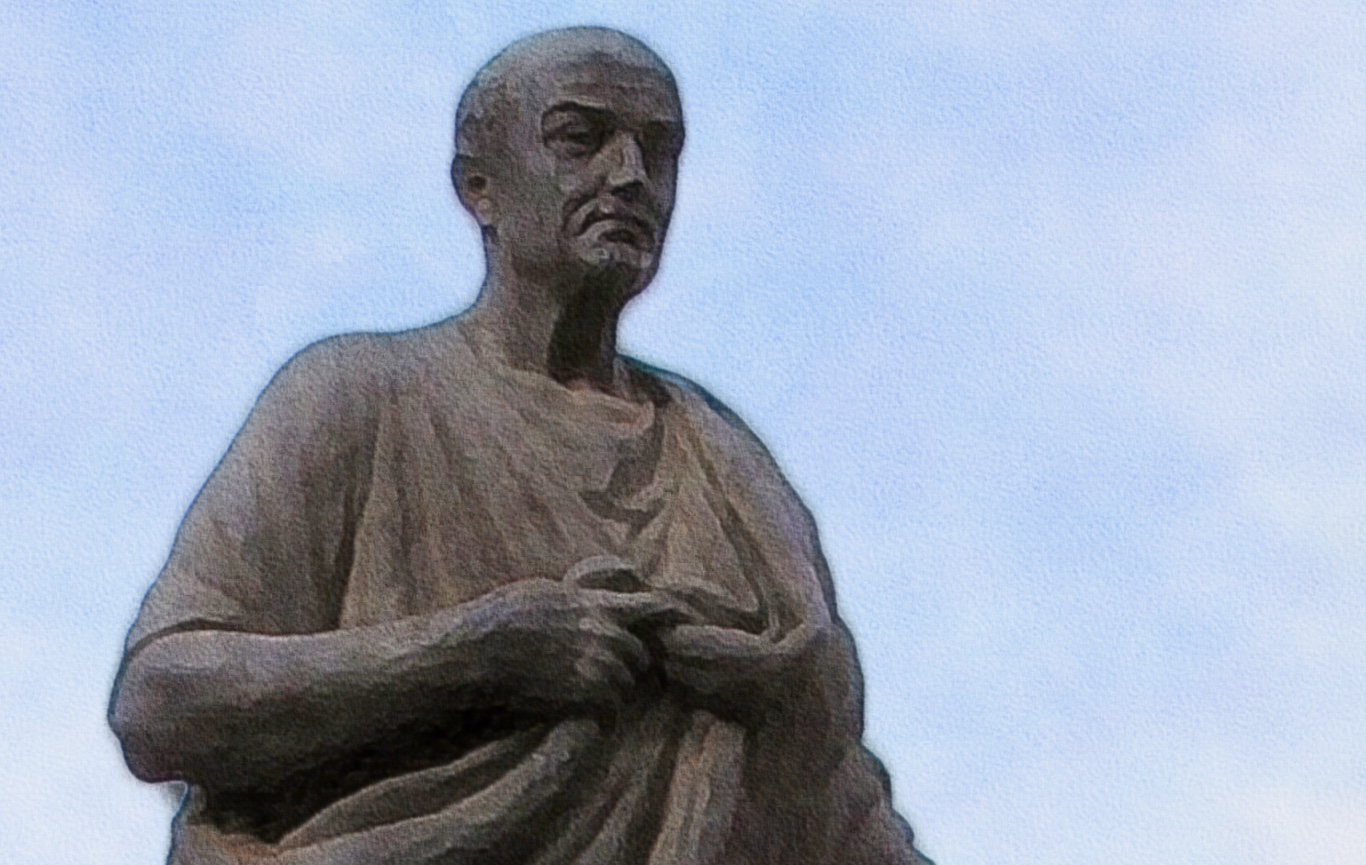
We are mad, not only individually, but nationally. We check manslaughter and isolated murders; but what of war and the much-vaunted crime of slaughtering whole peoples? There are no limits to our greed, none to our cruelty. And as long as such crimes are committed by stealth and by individuals, they are less harmful and less portentous; but cruelties are practised in accordance with acts of senate and popular assembly, and the public is bidden to do that which is forbidden to the individual. Deeds that would be punished by loss of life when committed in secret, are praised by us because uniformed generals have carried them out. Man, naturally the gentlest class of being, is not ashamed to revel in the blood of others, to wage war, and to entrust the waging of war to his sons, when even dumb beasts and wild beasts keep the peace with one another. Against this overmastering and widespread madness philosophy has become a matter of greater effort, and has taken on strength in proportion to the strength which is gained by the opposition forces.
Seneca, Letter XCV: On the usefulness of basic principles, lines 30-32.
The greater the interest involved in a truth the more careful, self-distrustful, and patient should be the inquiry.I would not attack the faith of a heathen without being sure I had a better one to put in its place, because, such as it is, it is better than nothing.
Harriet Beecher Stowe, Letter to William Lloyd Garrison (1853).
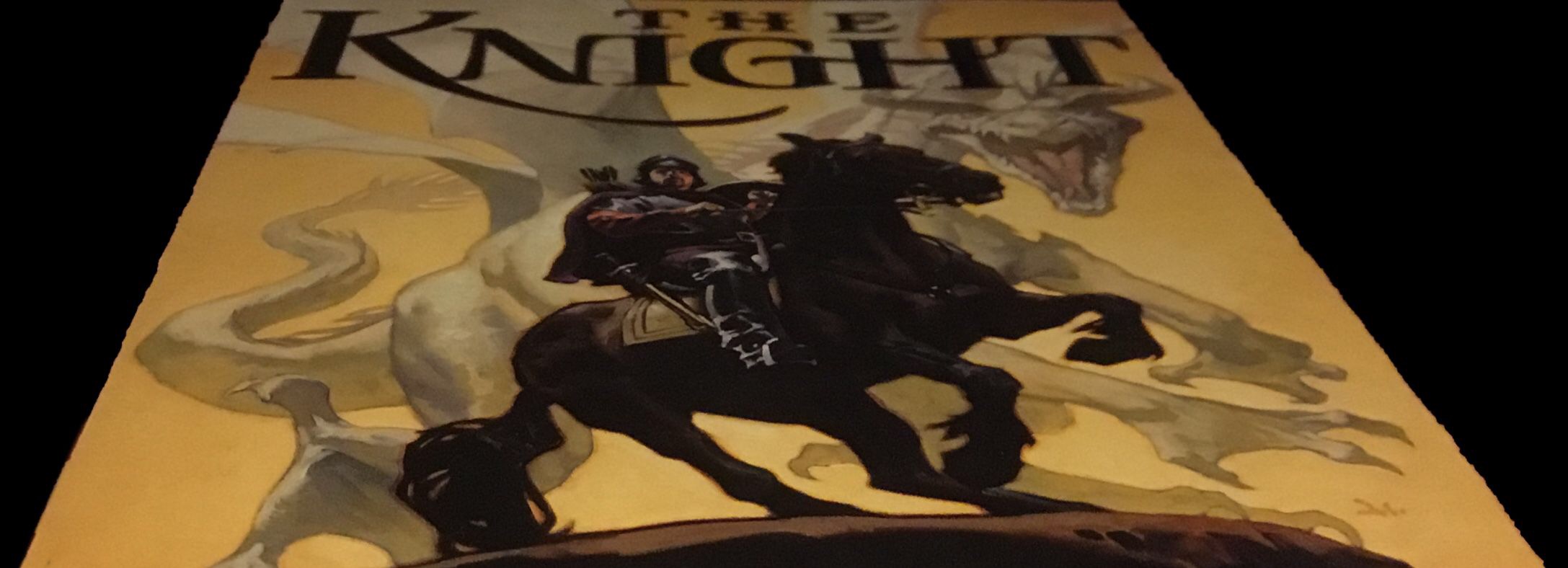
An “old woman with too many teeth” in Gene Wolfe’s novel The Knight (2004), p. 22.
Some gain there must be, so this I decree: each time you gain your heart’s desire, your heart will reach for something higher.