An English traveller relates how he lived upon intimate terms with a tiger; he had reared it and used to play with it, but always kept a loaded pistol on the table.
Stendhal, The Red and the Black (1830).
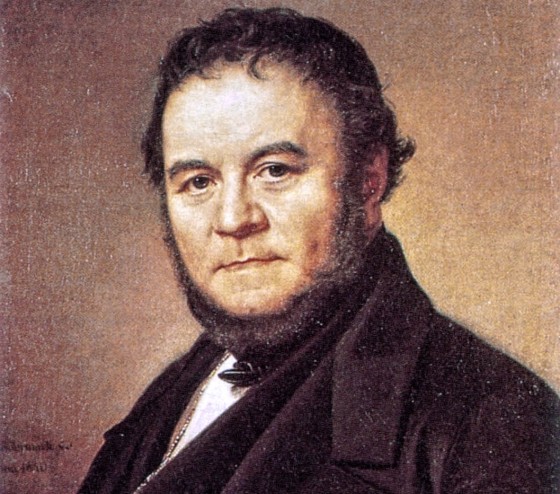
An English traveller relates how he lived upon intimate terms with a tiger; he had reared it and used to play with it, but always kept a loaded pistol on the table.
Stendhal, The Red and the Black (1830).
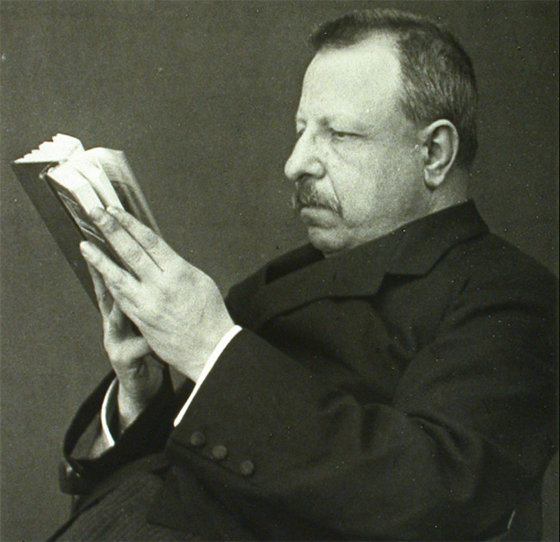
Benedetto Croce, The Philosophy of the Practical: Economic and Ethic, trans. Douglas Ainslie (1913, 1967), p. 429.
We must be severe, not only with ourselves, but with other also; exigent, not only with ourselves, but with others also; and so, on the contrary, benevolent not only towards others, but also toward ourselves; compassionate, not only toward others, but also towards this instrument of labour that we carry about with us and of which we sometimes demand too much; that is, our empirical individuality. Reality is neither democratic nor aristocratic, but both together; it abhors the privilege of some over others as much as that equality, according to which each one must have the same value as the other at every moment.
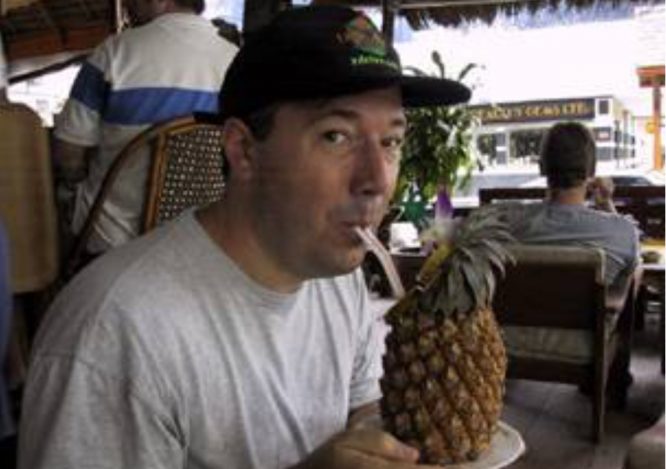
In the not-so-distant future, the bulk of our culture will be composed of designer viruses. Why? Because now that we know how to design them, we will. We will conquer the conceptual landscape as surely as we conquered the wilderness.
Richard Brodie, Virus of the Mind: The New Science of the Meme (1996), p. 196.
Whoever is fortunate enough to be an American citizen came into the greatest inheritance man has ever enjoyed. He has had the benefit of every heroic and intellectual effort men have made for many thousands of years, realized at last. If Americans should now turn back, submit again to slavery, it would be a betrayal so base the human race might better perish.
Isabel Paterson, The God of the Machine (1943), p. 292.
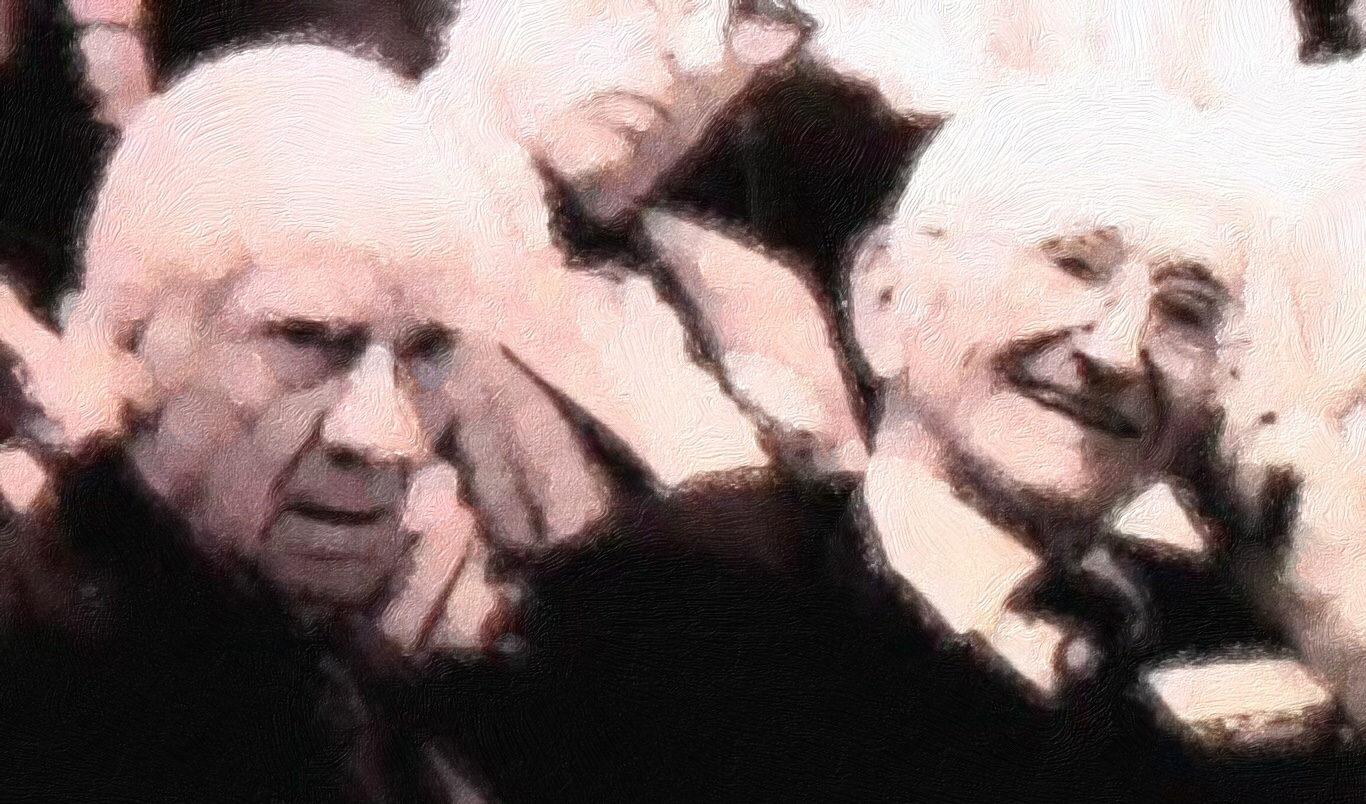
In every country of the world, economic self-rule by the people is frustrated to some extent by state intervention to protect sectional interests. By ‘economic self-rule by the people,’ I simply mean the demo-cratic exercise of consumers’ sovereignty. Under a free market system, income receivers as a whole control the economy through the discipline they exercise over decision-makers, through buying or refraining from buying the services and commodities offered in the market. The present is a restrictionist, not an equalitarian or liberal age; and I know of no country in which the state forbids all creation of scarcity, that is, all action for the benefit of at least some politically powerful sections.
William H. Hutt (left, above), The Economics of the Colour Bar (1964), p. 176-7.
The increasingly close governmental control of social and economic life in recent years has tended to strengthen separatism by enhancing the prizes of political power and thus the intensity of the struggle for it, and for this reason it has accentuated concern with ethnic differences between the rulers and the ruled. . . .
Peter T. Bauer, United States Aid and Indian Development, p. 7.
The virtues of the free market do not depend upon the virtues of the men at the political top but on the dispersed powers of substitution exercised by men in their role as consumers. In that role, a truly competitive market enables them to exert the energy which enforces the neutrality of business decision-making in respect of race, colour, creed, sex, class, accent, school, or income group
William H. Hutt (left, above), The Economics of the Colour Bar (1964), p. 174-5.
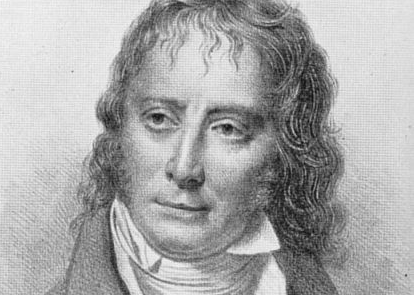
Where there are no rights, there are no duties.
When we buy a product in the free market, we do not ask: What was the colour of the person who made it? Nor do we ask about the sex, race, nationality, religion or political opinions of the producer. All we are interested in is whether it is good value for money. Hence it is in the interest of business men (who must try to produce at least cost in anticipation of demand) not only to seek out and employ the least privileged classes (excluded by custom or legislation from more remunerative employments) but actually to educate them for these opportunities by investing in them.
William H. Hutt (left, above), The Economics of the Colour Bar (1964), p. 173.
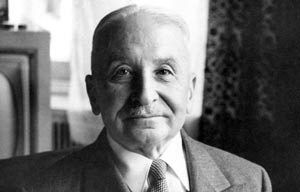
Capital does not ‘beget profit’ as Marx thought. The capital goods as such are dead things that in themselves do not accomplish anything. If they are utilized according to a good idea, profit results. If they are utilized according to a mistaken idea, no profit or losses result. It is the entrepreneurial decision that creates either profit or loss. It is mental acts, the mind of the entrepreneur, from which profits ultimately originate. Profit is a product of the mind, of success in anticipating the future state of the market. It is a spiritual and intellectual phenomenon.
Ludwig von Mises, “Profit and Loss” (presented at the Mont Pèlerin Society, Beauvallon, France, September 1951)