Mens sana in corpore sano.
“You should pray for a sound mind in a sound body.” (From the tenth satire of Decimus Iunius Iuvenalis.)
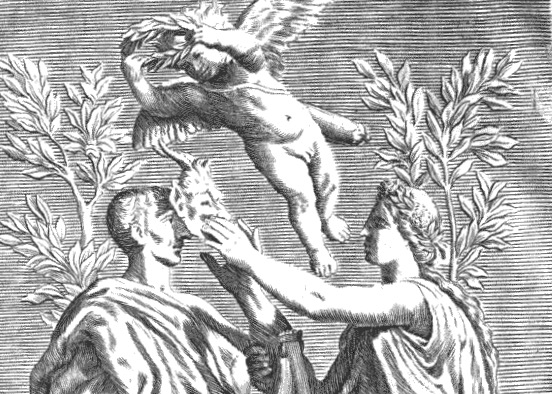
Mens sana in corpore sano.
“You should pray for a sound mind in a sound body.” (From the tenth satire of Decimus Iunius Iuvenalis.)
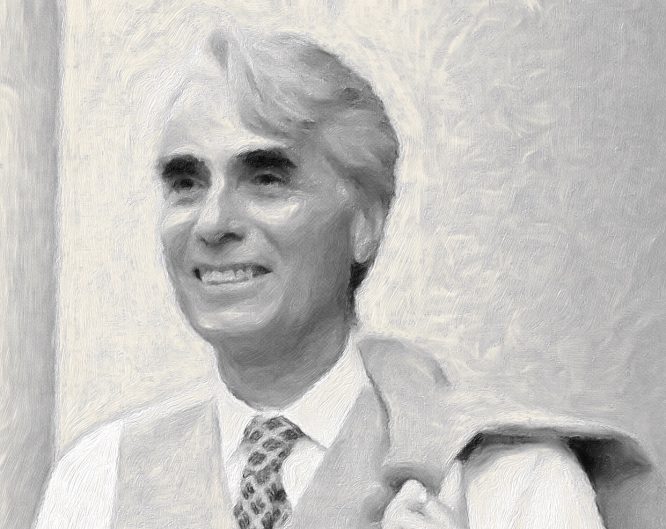
To each as they choose, from each as they are chosen.
Anarchy, State, and Utopia (1974), Ch. 7: Distributive Justice, Section I, Patterning, p. 160.
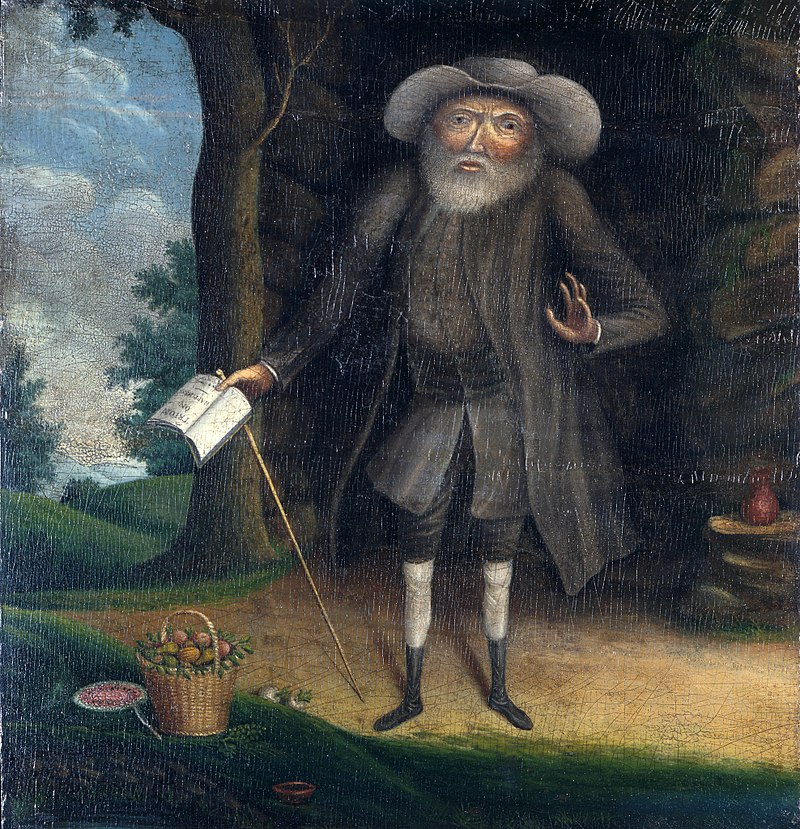
Benjamin Lay, All Slave-Keepers That keep the Innocent in Bondage, Apostates, page 56, published by its author in Philadelphia in 1737, printed by Benjamin Franklin. The depiction of Lay, above, is as painted by William Williams in 1750. Lay was short, standing at just over four feet.
The many Hundreds of Thousands, that are now in Slavery, were they at Liberty, as we are, had the same Education, Learning, Conversation, Books, sweet Communion in our Religious Assemblies; I believe many of them would exceed many of their Tyrant Masters in Piety, Virtue and Godliness; and their bright Genius, which I know they have, would be inlivened; for I have converst with many of them, for Liberty is Life, and Slavery is Death, nay the very thoughts of it to the right thinking Animal, as Man or Woman.
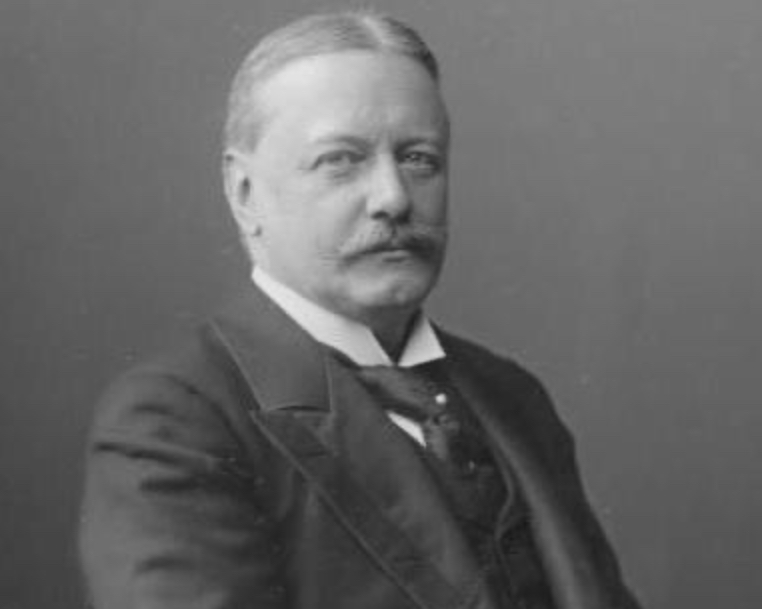
Most of the conflicts the world has seen in the past ten decades have not been called forth by princely ambition or ministerial conspiracy but through the passionate agitation of public opinion, which through the press and parliament has swept along the executive.
Bernhard von Bülow, as quoted in “Karl Kraus, the Press, and War” (International Policy Digest, March 27, 2014), by Franz-Stefan Gady. Von Bülow (1849 – 1929), created Fürst von Bülow in 1905, was a German statesman who served as Secretary of State for Foreign Affairs for three years and then as Chancellor of the German Empire from 1900 to 1909.
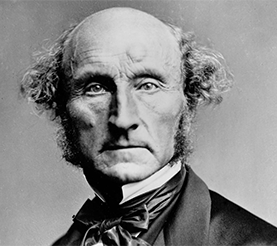
John Stuart Mill, Considerations on Representative Government (1862), Chapter IV
In every country, the executive is the branch of the government which wields the immediate power, and is in direct contact with the public; to it, principally, the hopes and fears of individuals are directed, and by it both the benefits, and the terrors, and prestige of government are mainly represented to the public eye. Unless, therefore, the authorities whose office it is to check the executive are backed by an effective opinion and feeling in the country, the executive has always the means of setting them aside or compelling them to subservience, and is sure to be well supported in doing so.
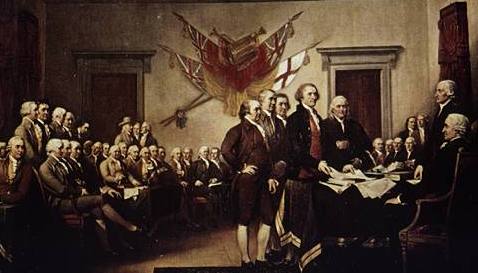
The better to secure and perpetuate mutual friendship and intercourse among the people of the different States in this Union, the free inhabitants of each of these States, paupers, vagabonds, and fugitives from justice excepted, shall be entitled to all privileges and immunities of free citizens in the several States; and the people of each State shall free ingress and regress to and from any other State, and shall enjoy therein all the privileges of trade and commerce, subject to the same duties, impositions, and restrictions as the inhabitants thereof respectively, provided that such restrictions shall not extend so far as to prevent the removal of property imported into any State, to any other State, of which the owner is an inhabitant; provided also that no imposition, duties or restriction shall be laid by any State, on the property of the United States, or either of them.
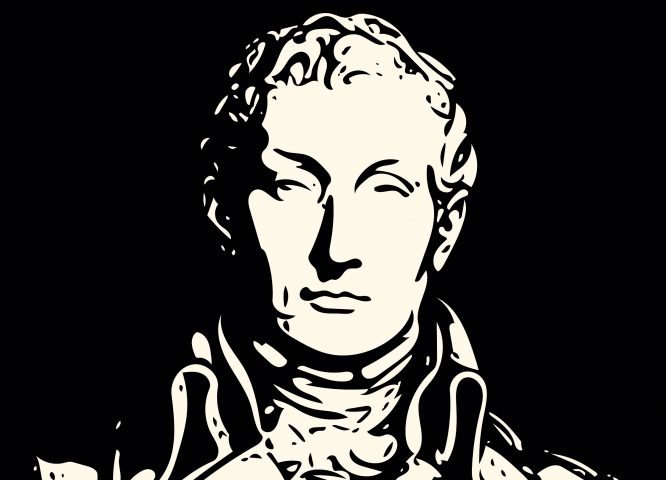
The courageous and strong man repulses oppression, defends his life, his liberty, and his property; by his labor he procures himself an abundant subsistence, which he enjoys in tranquillity and peace of mind. If he falls into misfortunes, from which his prudence could not protect him, he supports them with fortitude and resignation; and it is for this reason that the ancient moralists have reckoned strength and courage among the four principal virtues.
C.-F. Volney, The Ruins of Empires (1791).
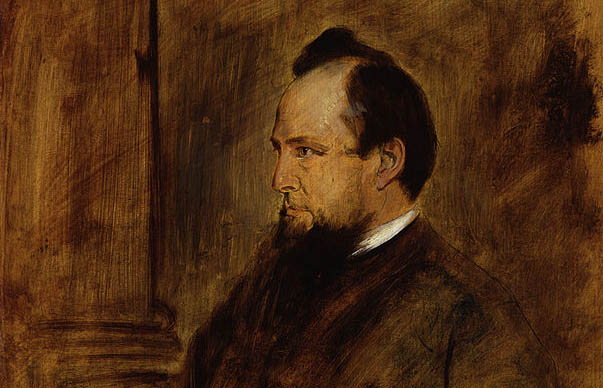
Freedom degenerates unless it has to struggle in its own defence.
C.-F. Volney, The Ruins of Empires (1791).
The courageous and strong man repulses oppression, defends his life, his liberty, and his property; by his labor he procures himself an abundant subsistence, which he enjoys in tranquillity and peace of mind. If he falls into misfortunes, from which his prudence could not protect him, he supports them with fortitude and resignation; and it is for this reason that the ancient moralists have reckoned strength and courage among the four principal virtues.
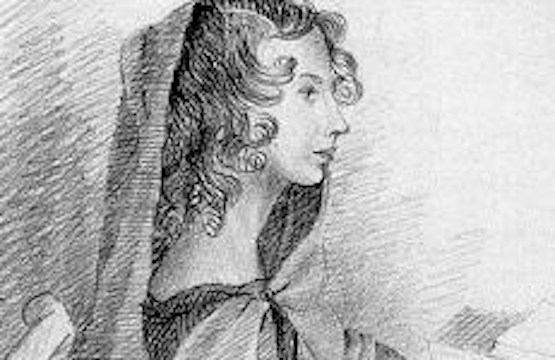
There is always a ‘but’ in this imperfect world.
Helen Graham, a character in The Tenant of Wildfell Hall (1848), Ch. XXII: ‘Traits of Friendship,’ by Anne Brontë (writing as Acton Bell)