When plunder becomes a way of life for a group of men in a society, over the course of time they create for themselves a legal system that authorizes it and a moral code that glorifies it.
Categories
Frédéric Bastiat

When plunder becomes a way of life for a group of men in a society, over the course of time they create for themselves a legal system that authorizes it and a moral code that glorifies it.
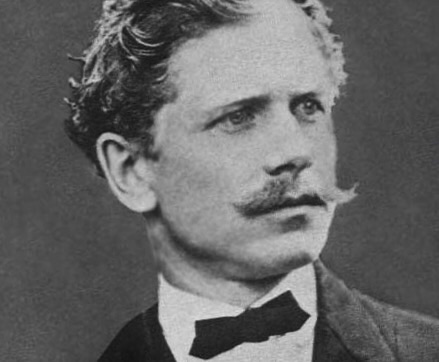
Ambrose Bierce, The Devil’s Dictionary (1911)
Government is the great fiction through which everybody endeavors to live at the expense of everybody else.
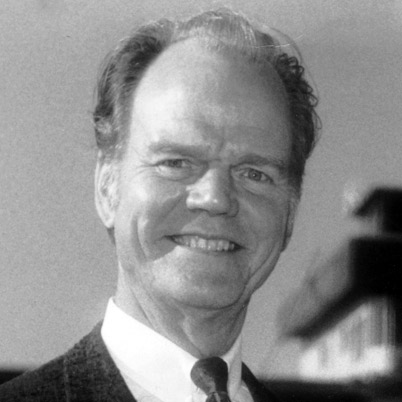
What have you got to lose, you say? Why shouldn’t I take their offer of free medicine, money for work I don’t do, or crops I don’t grow? Why not?
Here’s why not, and don’t ever forget this. “If your government is big enough to give you everything you want, it is big enough to take away everything you have.”
Paul Harvey, Remember These Things (1952). This is the first known printing of the adage about big government. It has been attributed to many who have repeated it, including Gerald Ford, and misattributed to others who did not likely say it, including Thomas Jefferson.

Abigail Adams, Letter to her husband John Adams (November 27, 1775).
I feel anxious for the fate of our monarchy, or democracy, or whatever is to take place. I soon get lost in a labyrinth of perplexities; but, whatever occurs, may justice and righteousness be the stability of our times, and order arise out of confusion. Great difficulties may be surmounted by patience and perseverance.
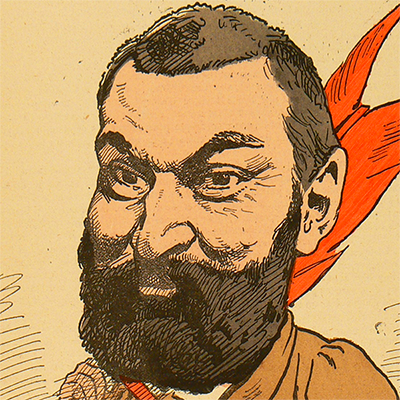
Government is naturally prodigal, for it spends other people’s money; and the more a department spends, the more important it is.
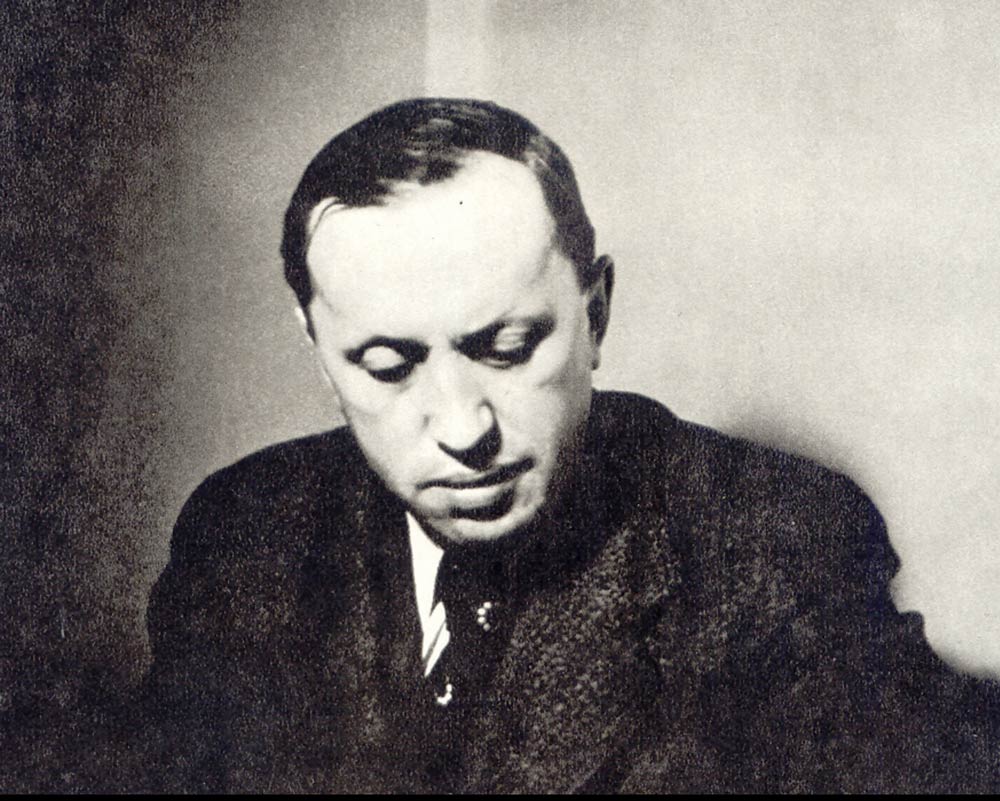
I have seen greatness and power, wealth, prosperity and incomparable development. I was never sad that we are a small and unfinished part of the world. To be small, unsettled and uncompleted is a good and courageous mission.
Karel Čapek, Letters from England (1925), referring to his country of Czechoslovakia.

Let us not attribute to malice and cruelty what may be referred to less criminal motives.
Jane West, The Loyalists (1812), clearly expressing the principle today referred to as Hanlon’s Razor.
Wittgenstein, Elizabeth Taylor, Bertrand Russell, Thomas Merton, Yogi Berra, Allen Ginsberg, Harry Wolfson, Thoreau, Casey Stengel, The Lubavitcher Rebbe, Picasso, Moses, Einstein, Hugh Hefner, Socrates, Henry Ford, Lenny Bruce, Baba Ram Dass, Gandhi, Sir Edmund Hillary, Raymond Lubitz, Buddha, Frank Sinatra, Columbus, Freud, Norman Mailer, Ayn Rand, Baron Rothschild, Ted Williams, Thomas Edison, H.L. Mencken, Thomas Jefferson, Ralph Ellison, Bobby Fischer, Emma Goldman, Peter Kropotkin, you, and your parents. Is there really one kind of life which is best for each of these people?
Anarchy, State, and Utopia (1974), Ch. 10 : A Framework for Utopia; The Framework, p. 310.

There are philosophers who have given their minds to the phenomenon of disregard of laws and have sought out its causes. Much more surprising, however, is the opposite phenomenon of respect for laws and deference to authority. . . . It is as true today as it was ten thousand years ago that a Power from which the magic virtue has gone out, falls.
Bertrand de Jouvenel des Ursins (1903 – 1987), On Power