Let people be happy according to their own lights.
Categories
Bolesław Prus
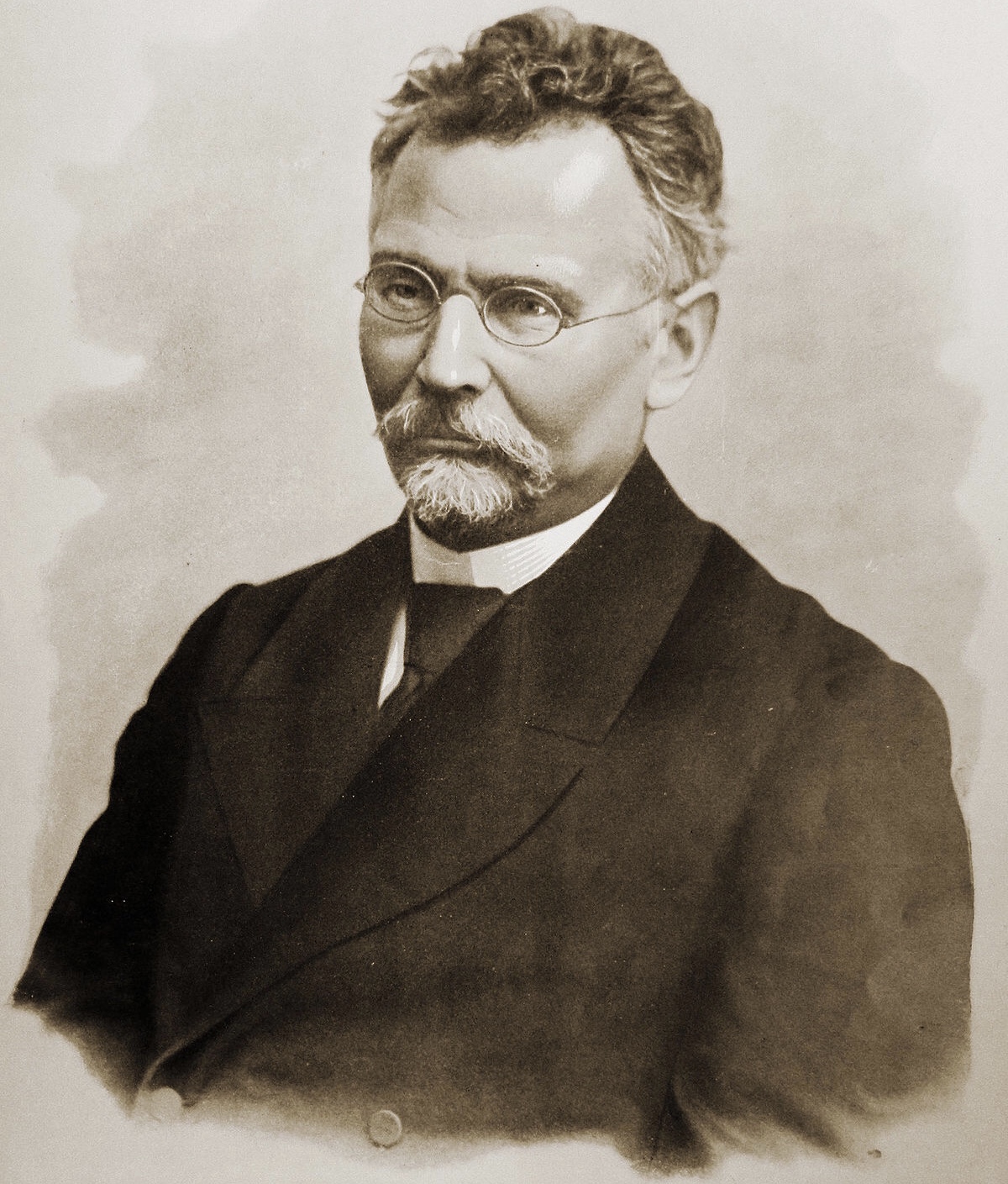
Let people be happy according to their own lights.
[T]he progress of the human race must be measured by the progress of the individuals composing it. Manly independence, the true spirit of freedom, cannot be drilled into men and women, as a squad of recruits can be taught to march and shoot, at the word of command. When, therefore, a nation deserts its birthright, and, instead of cultivating manliness in the individual, flies to what it calls the “State,” or to combinations, leagues, unions, to do for it this and that, it is, generally speaking, making progress backwards, and putting its future in peril. The honeyed sentimentality of much of our modern Socialism is, no doubt, sweet to the taste, but its effects are deadly. Close at the heels of the Socialist stalks Anarchy, and Anarchy has never yet in the history of the world been crushed save by the heel of the despot.
A. J. Wilson, introduction to Yves Guyot, Labour, Socialism and Strikes (1896).
For human nature is strange: the less we are inclined to self-sacrifice, the more we insist on it in others.
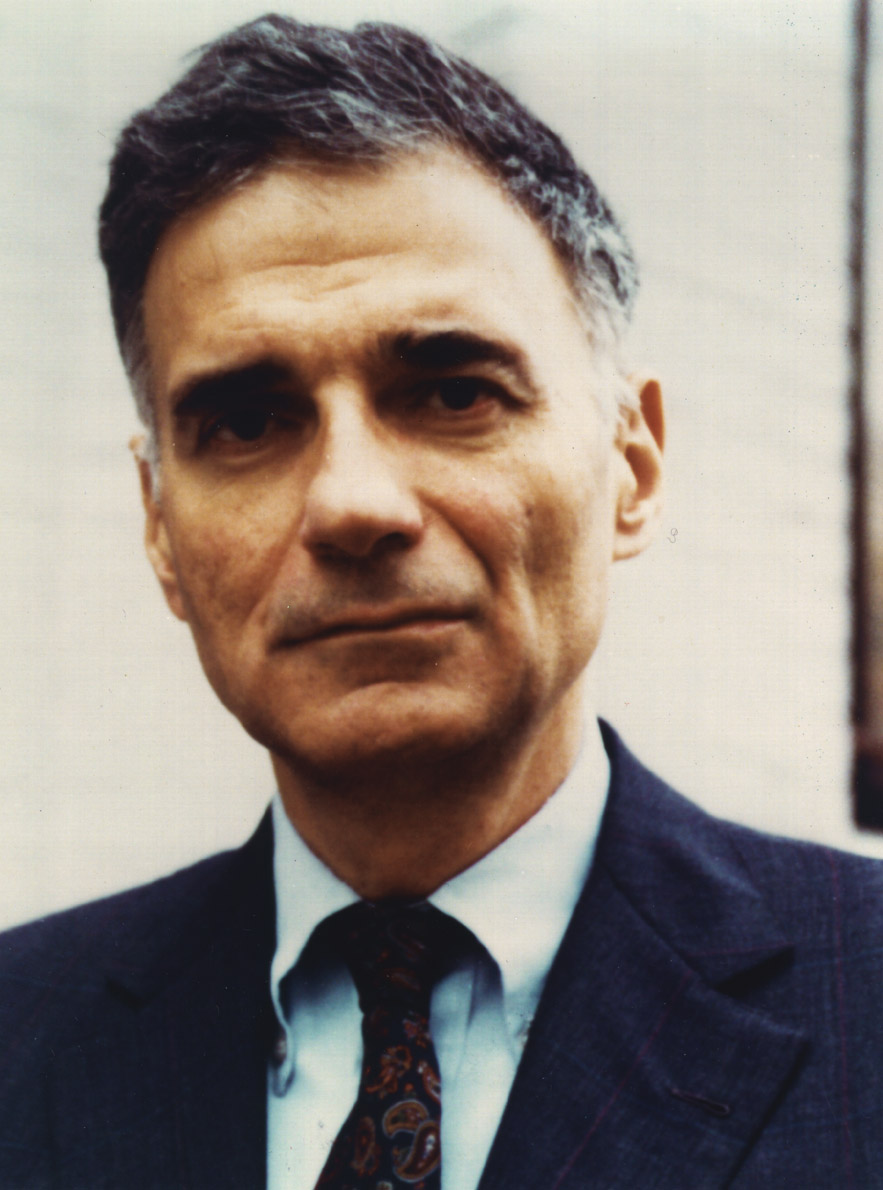
Initiative and referendum is the citizen activist’s ‘ace in the hole.’
Ralph Nader was born on February 27, 1934 .
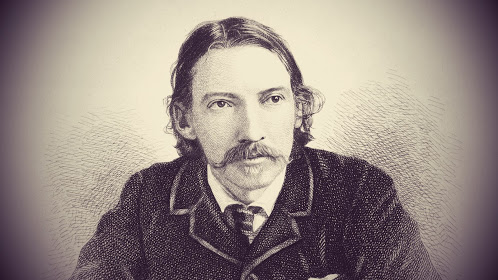
You could read Kant by yourself, if you wanted; but you must share a joke with someone else.
Robert Louis Stevenson, Virginibus Puerisque, Ch. 1. Cornhill Magazine (August 1876)
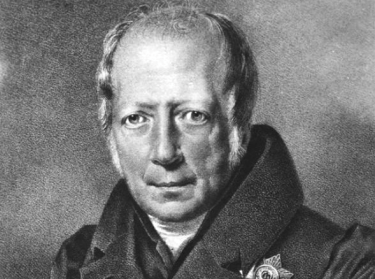
To the yoke of necessity every one willingly bows the head. Still, wherever an actually complicated aspect of things presents itself, it is more difficult to discover exactly what is necessary; but by the very acknowledgment of the principle, the problem invariably becomes simpler and the solution easier
Wilhelm von Humboldt, Joseph Coulthard, translator, The Sphere and Duties of Government (1854).
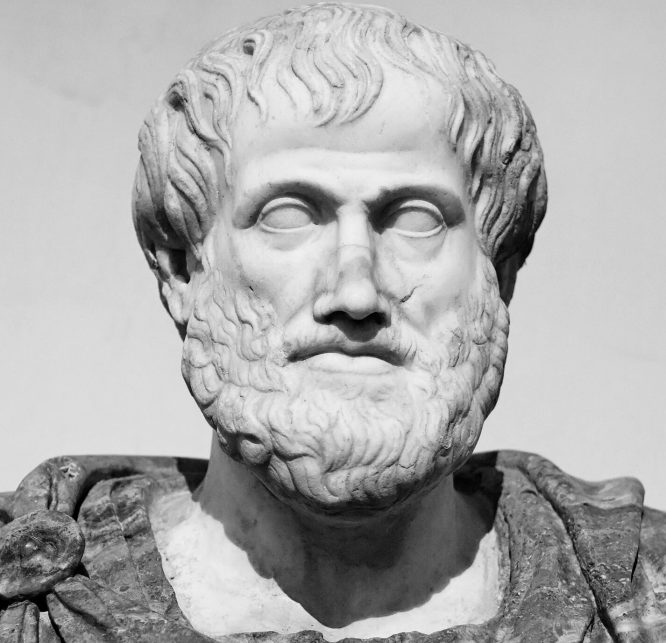
One swallow does not make a summer, nor does one day; and so too one day, or a short time, does not make a man blessed and happy.
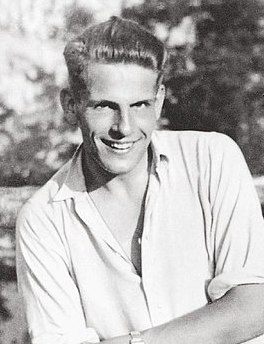
Every word that comes from Hitler’s mouth is a lie. When he says peace, he means war, and when he blasphemously uses the name of the Almighty, he means the power of evil, the fallen angel, Satan. His mouth is the foul-smelling maw of Hell, and his might is at bottom accursed. True, we must conduct a struggle against the National Socialist terrorist state with rational means; but whoever today still doubts the reality, the existence of demonic powers, has failed by a wide margin to understand the metaphysical background of this war.
From the fourth leaflet by “The White Rose”
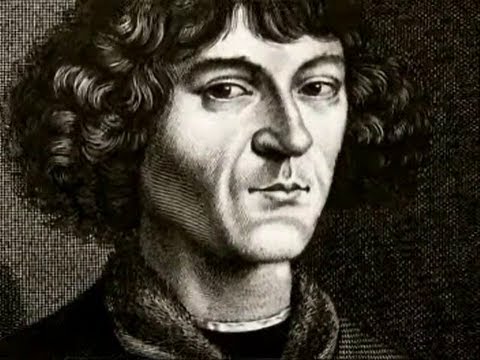
Those who know that the consensus of many centuries has sanctioned the conception that the earth remains at rest in the middle of the heavens as its center, would, I reflected, regard it as an insane pronouncement if I made the opposite assertion that the earth moves.
Copernicus was born February 19, 1473.
Do not go gentle into that good night,
Old age should burn and rave at close of day;
Rage, rage against the dying of the light.Though wise men at their end know dark is right,
Because their words had forked no lightning they
Do not go gentle into that good night.Good men, the last wave by, crying how bright
Their frail deeds might have danced in a green bay,
Rage, rage against the dying of the light.Wild men who caught and sang the sun in flight,
And learn, too late, they grieved it on its way,
Do not go gentle into that good night.Grave men, near death, who see with blinding sight
Blind eyes could blaze like meteors and be gay,
Rage, rage against the dying of the light.And you, my father, there on the sad height,
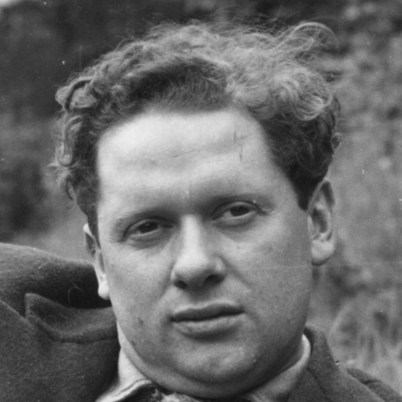
Dylan Thomas, who arrived in New York City for his first reading tour of the U.S. on Feb. 20, 1950.
Curse, bless, me now with your fierce tears, I pray.
Do not go gentle into that good night.
Rage, rage against the dying of the light.