Categories
Thought

Vladimir Nabokov

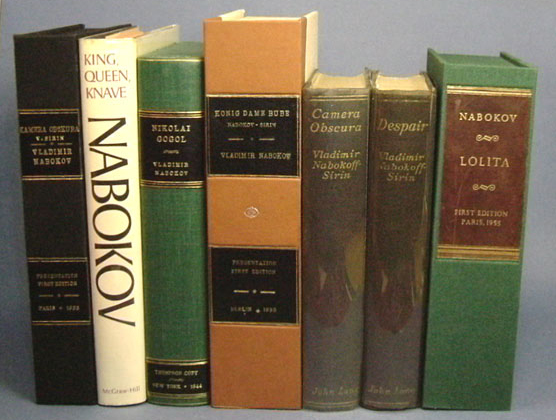
Literature was not born the day when a boy crying “wolf, wolf” came running out of the Neanderthal valley with a big gray wolf at his heels; literature was born on the day when a boy came crying “wolf, wolf” and there was no wolf behind him.

Categories
Thought

John Jay

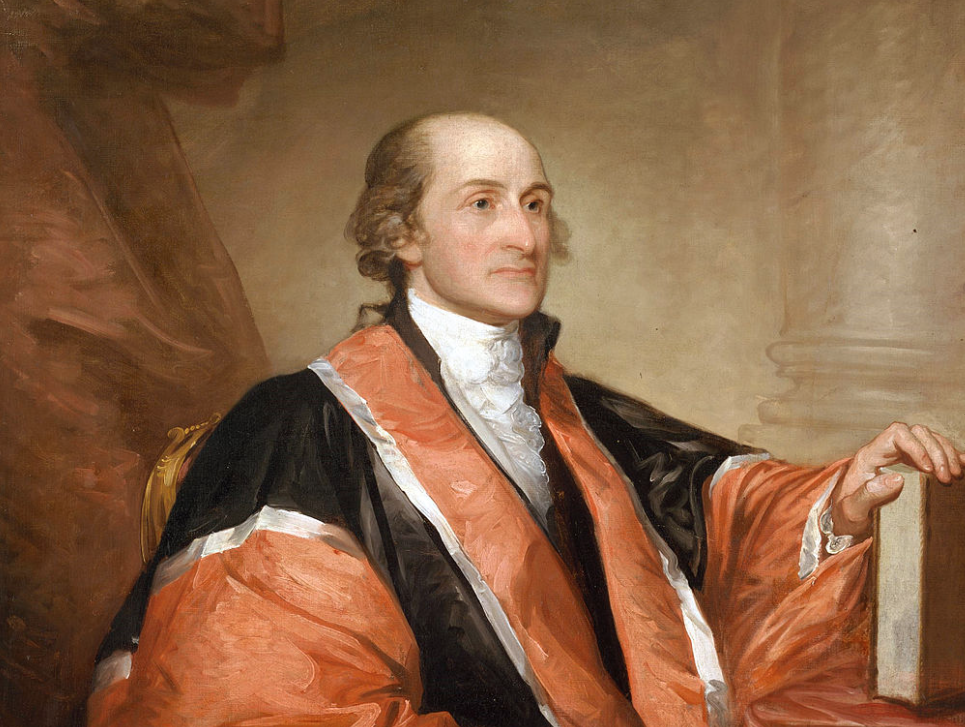
The only way to be loved is to be and to appear lovely; to possess and display kindness, benevolence, tenderness; to be free from selfishness and to be alive to the welfare of others.

Categories
Thought

Frédéric Passy

One does not humanize carnage, one condemns it, because one humanizes oneself.

Categories
Thought

John Milton

They are not skilful considerers of human things, who imagine to remove sin by removing the matter of sin. . . . Though ye take from a covetous man all his treasure, he has yet one jewel left, ye cannot bereave him of his covetousness. Banish all objects of lust, shut up all youth into the severest discipline that can be exercised in any hermitage, ye cannot make them chaste, that came not hither so; such great care and wisdom is required to the right managing of this point. Suppose we could expel sin by this means; look how much we thus expel of sin, so much we expel of virtue: for the matter of them both is the same; remove that, and ye remove them both alike.

Categories
Thought

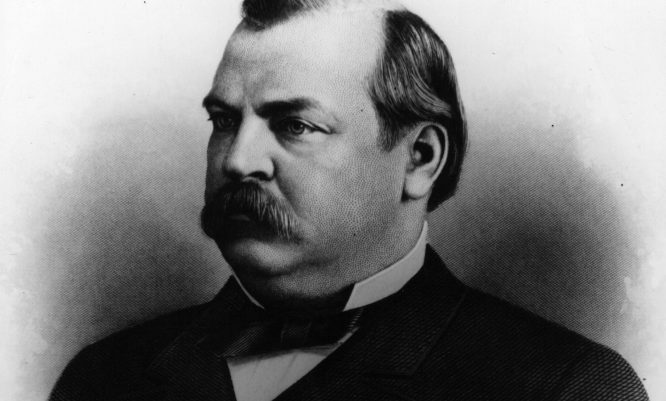
Grover Cleveland

When more of the people’s sustenance is exacted through the form of taxation than is necessary to meet the just obligations of government and expenses of its economical administration, such exaction becomes ruthless extortion and a violation of the fundamental principles of free government.

Categories
Thought

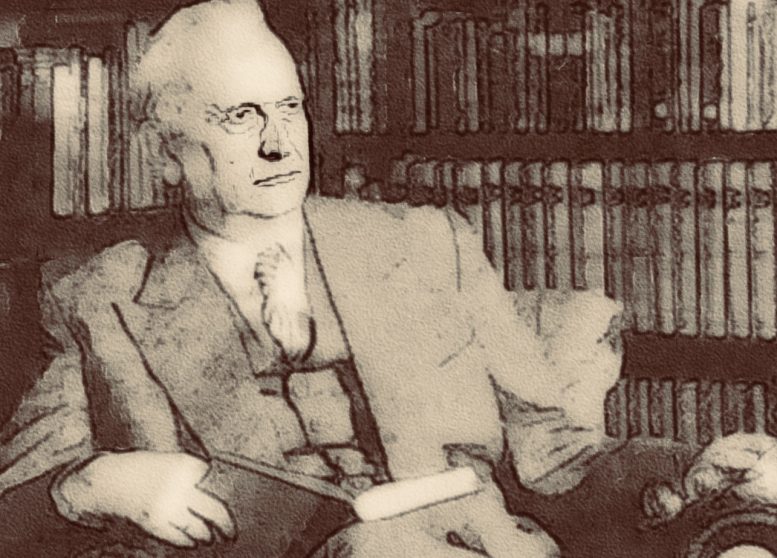
Karl Jaspers

Reason is like an open secret that can become known to anyone at any time; it is the quiet space into which everyone can enter through his own thought.

Categories
Thought

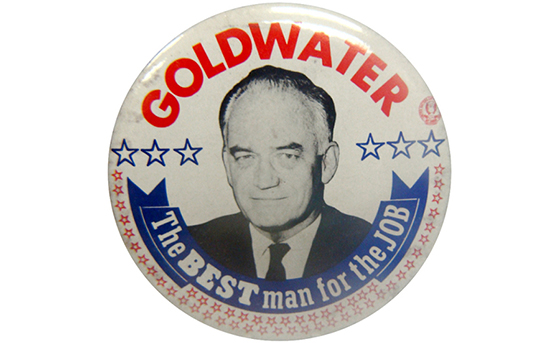
Barry Goldwater

Those who seek absolute power, even though they seek it to do what they regard as good, are simply demanding the right to enforce their own version of heaven on earth. And let me remind you, they are the very ones who always create the most hellish tyrannies. Absolute power does corrupt, and those who seek it must be suspect and must be opposed. Their mistaken course stems from false notions of equality, ladies and gentlemen. Equality, rightly understood, as our founding fathers understood it, leads to liberty and to the emancipation of creative differences. Wrongly understood, as it has been so tragically in our time, it leads first to conformity and then to despotism.

Categories
Thought

Léon Walras

The market is like a lake agitated by the wind, where the water is incessantly seeking its level without ever reaching it.

Categories
Thought

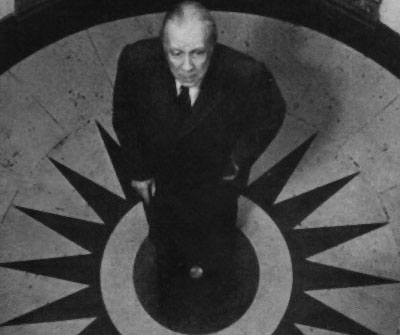
Jorge Luis Borges

Dictatorships foster oppression, dictatorships foster servitude, dictatorships foster cruelty; more abominable is the fact that they foster idiocy.

Categories
Thought

Gustave de Molinari

Every association which carries on an industrial business must devise an administrative system to direct its various services. The State was no exception to this rule. Like all other businesses, the State acknowledged no end but interest, and it identified this with the conservation and enlargement of its profits. But profits can only be increased in two ways. The yield of imposts, whether of labour, of kind, or in money, may be increased; or the area of production may be enlarged. The latter method was preferred by the associations which owned political “businesses,” for the former required capacities for good government of which they were seldom possessed. But, since a community can only extend its domain at the cost of a neighbour, war naturally ensued, and while those communities which excelled in war enlarged their territory and their holdings in subjects, they increased their income at the same time. A merchant or manufacturer cares nothing for the race, language, or individual customs of his customers, and the States had no more regard for those of the persons who lived in the territories which they acquired. Their sole motive was interest, and all their actions were exclusively directed to obtaining those territories of which the conquest and maintenance seemed the most easy, and which promised the highest possibilities for lucrative exploitation. Entire populations, opposed in race, in language, and in customs, were thus drawn, whether they would or no, into the domain of the victorious association, to leave it only in accordance with the arbitrament of a new war, or according to family dispositions when a single house chanced to acquire complete sovereign control within the State.
To-day we consider such a method of constituting a nation, a nationality, or a “country,” to be barbarous.

Gustave de Molinari, The Society of To-morrow (1899)