We can have exactly as many paupers as the country chooses to pay for.
Categories
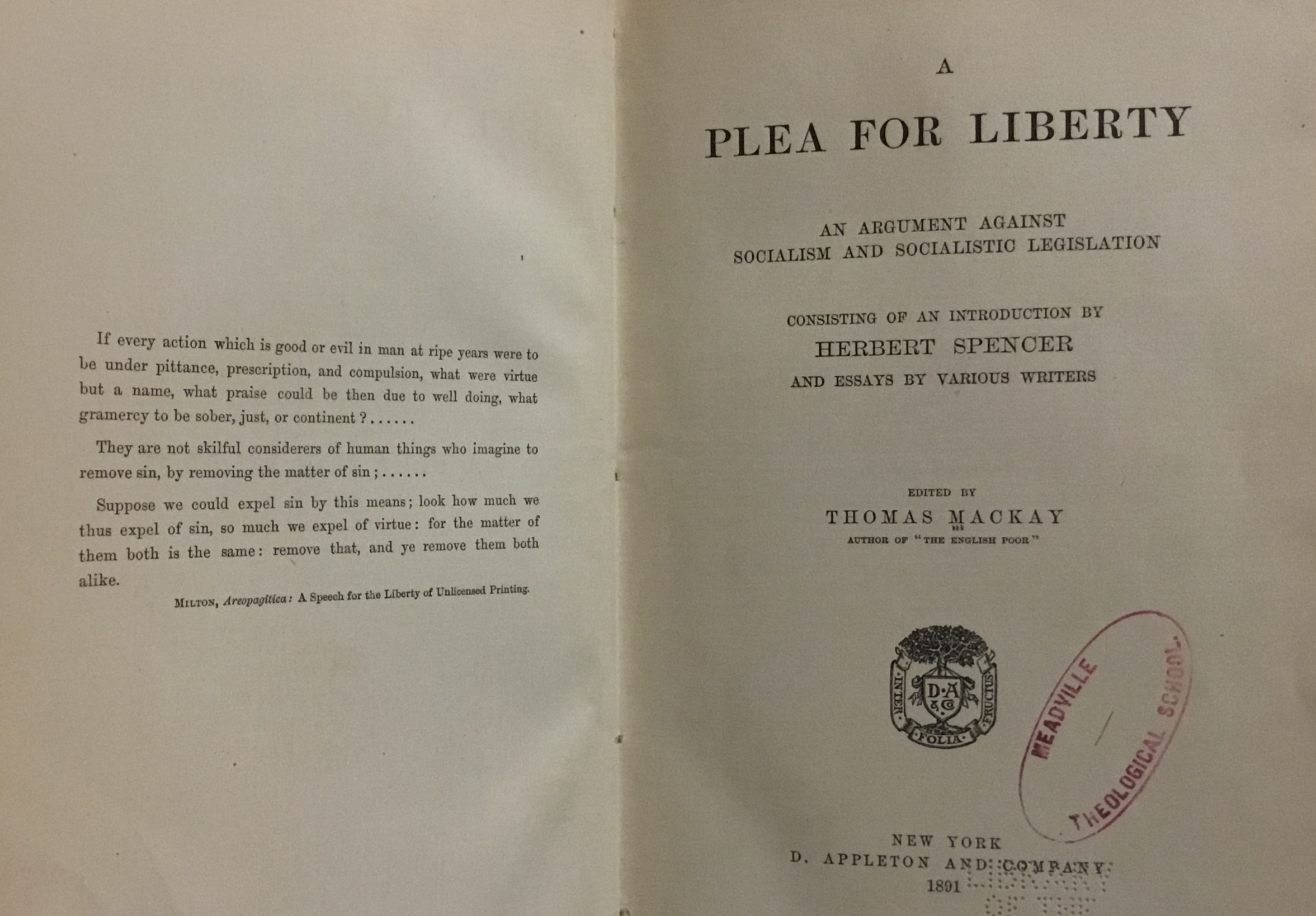
Thomas Mackay
We can have exactly as many paupers as the country chooses to pay for.
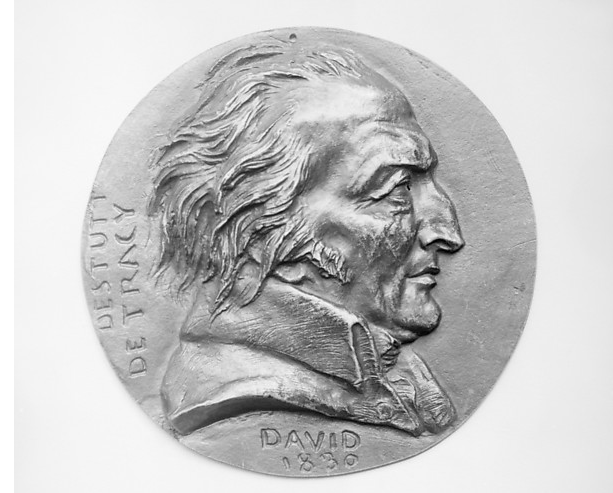
It is scarcely two hundred years since the progress of civilization, of industry, of commerce, that of the social order, and perhaps also the increase of specie, have given to governments the facility of making loans; and in this short space of time these dangerous expedients have led them all either to total or partial bankruptcies, sometimes repeated, or to the equally shameful and more grevious resource of paper money, or to remain overburdened under the weight of a load which daily becomes more insupportable.
But I go farther. I maintain that the evil is not in the abuse; but in the use itself of loans, that is to say that the abuse and the use are one and the same thing; and that every time a government borrows it takes a step towards its ruin. The reason of this is simple: A loan may be a good operation for an industrious man, whose consumption reproduces with profit. By means of the sums which he borrows, he augments this productive consumption; and with it his profits. But a government which is a consumer of the class of those whose consumption is sterile and destructive, dissipates what it borrows, it is so much lost for ever; and it remains burdened with a debt, which is so much taken from its future means.

In these troubled, uncertain times, we don’t need more command and control; we need better means to engage everyone’s intelligence in solving challenges and crises as they arise.
Truth would quickly cease to be stranger than fiction, once we got as used to it.
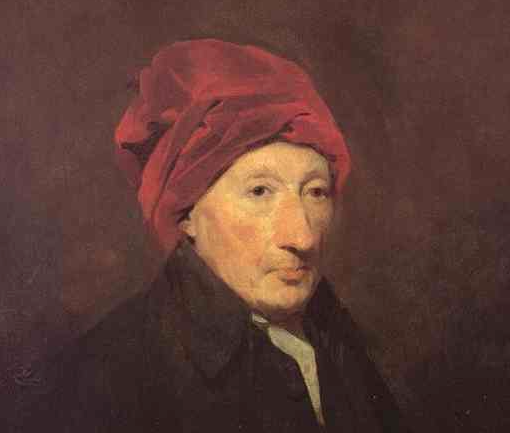
Every man feels that perception gives him an invincible belief of the existence of that which he perceives; and that this belief is not the effect of reasoning, but the immediate consequence of perception. When philosophers have wearied themselves and their readers with their speculations upon this subject, they can neither strengthen this belief, nor weaken it; nor can they shew how it is produced. It puts the philosopher and the peasant upon a level; and neither of them can give any other reason for believing his senses, than that he finds it impossible for him to do otherwise.
Every government that has cheapened its currency has been knavishly false to a trust; so have those which, like ours, use public funds to subsidize large-scale gambling and swindling.
There is no greater impediment to the advancement of knowledge than the ambiguity of words.
Freedom is the alone unoriginated birthright of man, and belongs to him by force of his humanity. . . .
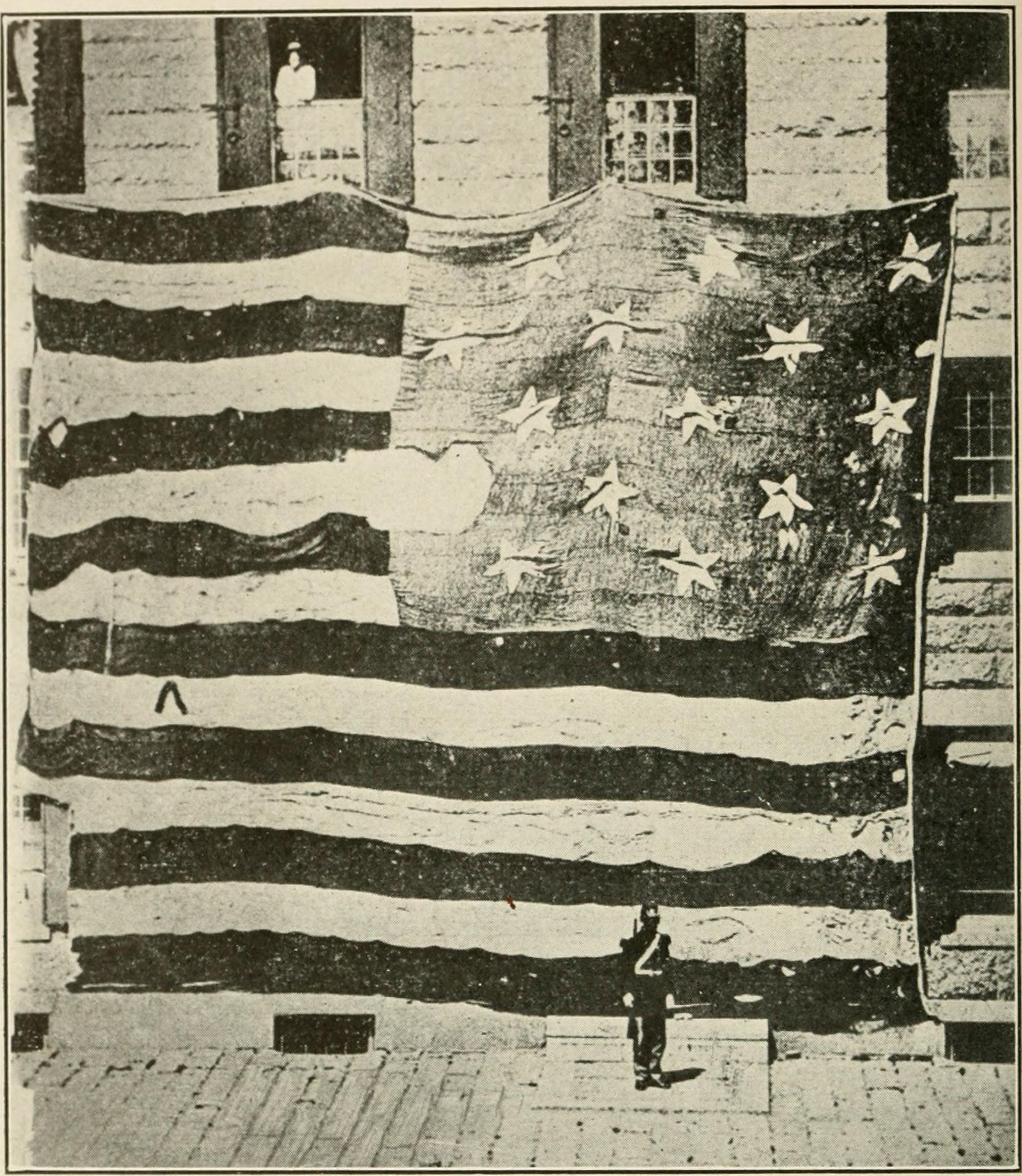
O say can you see, by the dawn’s early light,
What so proudly we hailed at the twilight’s last gleaming,
Whose broad stripes and bright stars through the perilous fight,
O’er the ramparts we watched, were so gallantly streaming?
And the rockets’ red glare, the bombs bursting in air,
Gave proof through the night that our flag was still there;
O say does that star-spangled banner yet wave
O’er the land of the free and the home of the brave?

On the shore dimly seen through the mists of the deep,
Where the foe’s haughty host in dread silence reposes,
What is that which the breeze, o’er the towering steep,
As it fitfully blows, half conceals, half discloses?
Now it catches the gleam of the morning’s first beam,
In full glory reflected now shines in the stream:
’Tis the star-spangled banner, O long may it wave
O’er the land of the free and the home of the brave.

And where is that band who so vauntingly swore
That the havoc of war and the battle’s confusion,
A home and a country, should leave us no more?
Their blood has washed out their foul footsteps’ pollution.
No refuge could save the hireling and slave
From the terror of flight, or the gloom of the grave:
And the star-spangled banner in triumph doth wave,
O’er the land of the free and the home of the brave.

O thus be it ever, when freemen shall stand
Between their loved homes and the war’s desolation.
Blest with vict’ry and peace, may the Heav’n rescued land
Praise the Power that hath made and preserved us a nation!
Then conquer we must, when our cause it is just,
And this be our motto: ‘In God is our trust.’
And the star-spangled banner in triumph shall wave
O’er the land of the free and the home of the brave!
* Poem composed by Francis Scott Key on September 14, 1815, later known as “The Star-Spangled Banner.”
It is doubtful whether our soldiers would be maintained if there were not pacific people at home who like to fancy themselves soldiers. War, like other dramatic spectacles, might possibly cease for want of a “public.”
Mary Ann Evans (1819–1880), writing as George Eliot, The Mill on the Floss (1860)