Categories
Thought

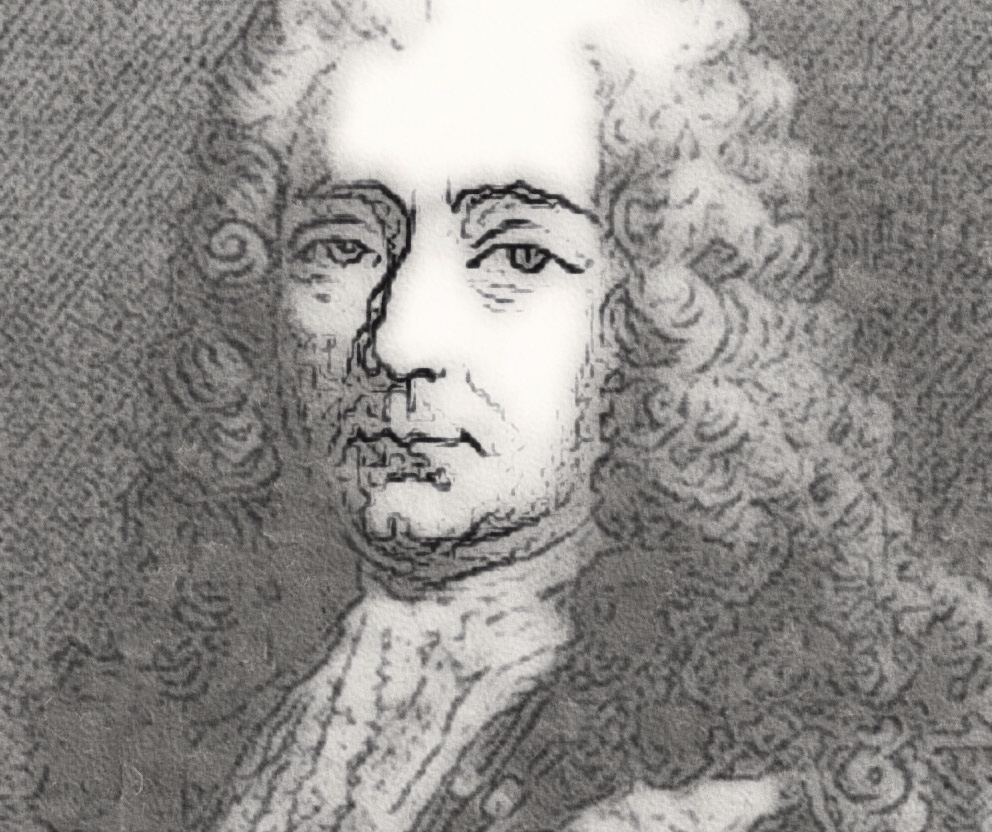
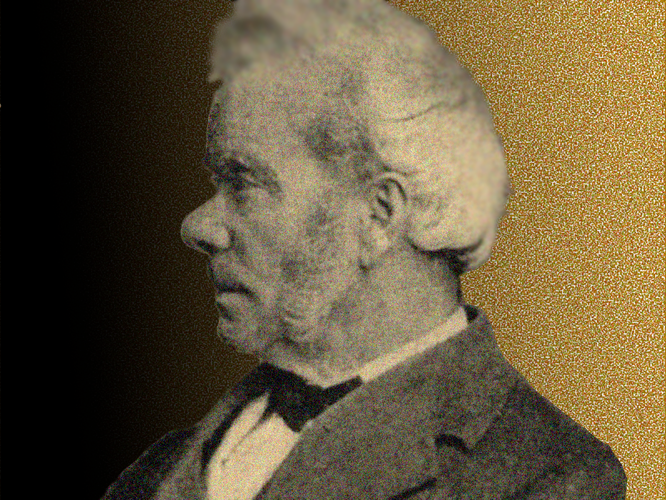
Marquis d’Argenson

Laissez faire, telle devrait être la devise de toute puissance publique, depuis que le monde est civilisé […]. Détestable principe que celui de ne vouloir grandir que par l’abaissement de nos voisins! Il n’y a que la méchanceté et la malignité du cœur de satisfaites dans ce principe, et l’intérêt y est opposé. Laissez faire, morbleu! Laissez faire!!

Leave be, which should be the motto of all public power, since the world was civilized […]. A detestable principle is that of wanting to be enlarged by the lowering of our neighbors! There is only malice and malignity of heart in it, the principle being directly opposed to the general interest. Leave us alone, gadzooks! Leave us be!!

René Louis de Voyer de Paulmy, Marqis d’Argenson, Memoir es et Journal inidit du Marquis d’Argenson (1736 diary entry; first published 1858), echoing the words of M. Le Gendre, who, when asked, in 1681, by the eager mercantilist Controller-General of Finances Jean-Baptiste Colbert how the French state could be help promote commerce, Le Gendre replied simply: “Laissez-nous faire.” In a Journal économique article in 1751, d’Argenson put the Le Gendre anecdote into print first. “Laissez faire” became a rallying cry after that, and a major feature of liberalism until its transformation by its encounter with socialism. One often sees the phrase “laissez-faire capitalism” used to distinguish free markets from protectionism and dirigisme. René-Louis de Voyer de Paulmy, Marquis d’ Argenson

Categories
Thought

Vincent de Gournay

Laissez faire et laissez passer!

Let do and let pass.

Jacques Claude Marie Vincent de Gournay popularized the phrase following either (a) an anecdote about a meeting between French Finance Minister Colbert and a group of businessmen, who protested to be “let do,” as related by René Louis de Voyer de Paulmy d’Argenson, or (b) economist François Quesnay, who translated “laissez faire” from the Chinese Taoist term “wu wei.”
Categories
Thought

Karl Kraus

Corruption is worse than prostitution. The latter might endanger the morals of an individual, the former invariably endangers the morals of the entire country.

Categories
Thought

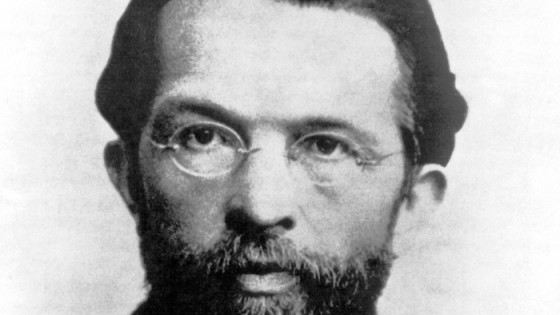
Carl Menger

Money is not an invention of the state. It is not the product of a legislative act. The sanction of political authority is not necessary for its existence.

Categories
Thought

Josiah Warren

To require conformity in the appreciation of sentiments or the interpretation of language, or uniformity of thought, feeling, or action, is a fundamental error in human legislation — a madness which would be only equaled by requiring all men to possess the same countenance, the same voice or the same stature.

Categories
Thought

Robert P. Murphy

The casual statements in the corporate media and in online arguments would lead the average person to believe that 97% of scientists who have published on climate change think that humans are the main drivers of global warming. And yet, at least if we review the original Cook et al. (2013) paper that kicked off the talking point, what they actually found was that of the sampled papers on climate change, only one-third of them expressed a view about its causes, and then of that subset, 97% agreed that humans were at least one cause of climate change. This would be truth-in-advertising, something foreign in the political discussion to which all AGW issues now seem to descend.

Robert P. Murphy, “The Bogus ‘Consensus’ Argument on Climate Change,” Institute for Energy Research, October 8, 2019.
Categories
Thought

Henry Ford (attributed)

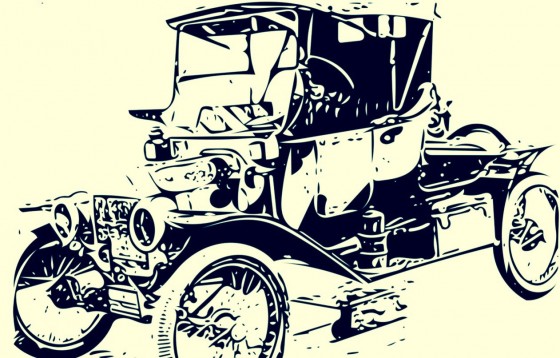
If I had asked people what they wanted, they would have said faster horses.

oft-misattributed to Ford Motor Co. founder Henry Ford.
Categories
Thought

Wilhelm von Humboldt

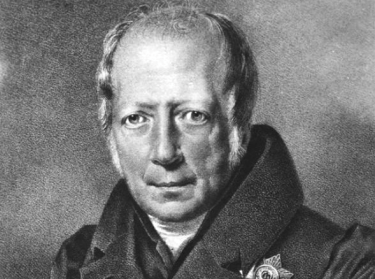
Freedom exalts power; and, as is always the collateral effect of increasing strength, tends to induce a spirit of liberality. Coercion stifles power, and engenders all selfish desires, and all the mean artifices of weakness. Coercion may prevent many transgressions; but it robs even actions which are legal of a portion of their beauty. Freedom may lead to many transgressions, but it lends even to vices a less ignoble form.

Wilhelm von Humboldt, Ideen zu einem Versuch die Grenzen der Wirksamkeit des Staats zu bestimmen (1792; 1852, posthumous), English edition The Sphere and Duties of Government, as translated by Joseph Coulthard (1854), Chapter Eight. The book also appears in English as The Limits of State Action.

Categories
Thought

Josiah Warren

Public influence is the real government of the world.

Categories
Thought

Josiah Warren

Liberty, then, is the sovereignty of the individual, and never shall man know liberty until each and every individual is acknowledged to be the only legitimate sovereign of his or her person, time, and property, each living and acting at his own cost.