Categories
Thought

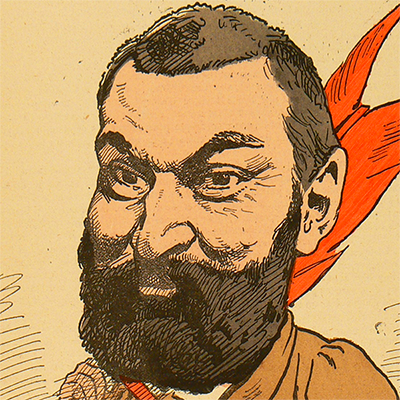
Yves Guyot

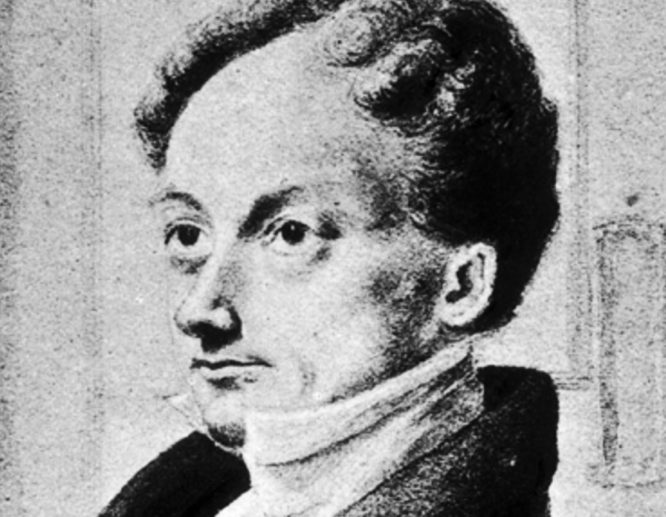
The dupe is the more ridiculous that if he only opened his eyes he must see how crude and flimsy are the artifices by which he has been swindled.
The aim of the Protectionist in every country is to reduce imports and encourage exports. Since there can be no selling without buying, if he attained his end international trade would cease and each nation be self-sufficing.

Yves Guyot, The Comedy of Protection, 1906, vii.

Categories
Thought

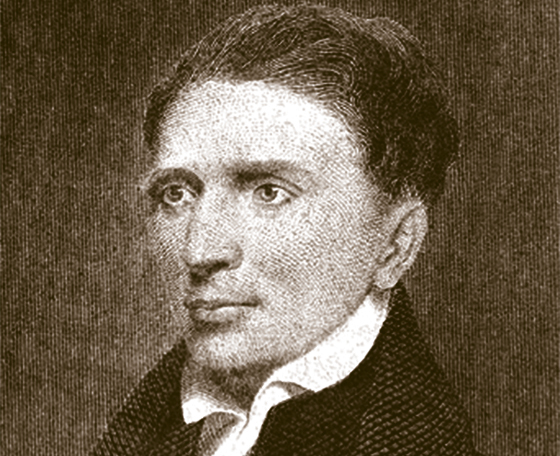
William Leggett

If the clause of the Constitution under which the Post Office establishment exists were struck from the instrument to-morrow, is any one weak enough to suppose that the activity of commerce would not soon supply a system of its own?

Categories
Thought

Yves Guyot

We must not confound liberty with anarchy. Liberty is the reciprocal respect for personal rights, according to certain fixed rules known by the name of law. Anarchy is the privilege of some and the spoliation of others, according to the caprices and arbitrary will of the cunning and the violent, and the feebleness and lack of energy of the timorous.

Categories
Thought

La Rochefoucauld

Sincere enthusiasm is the only orator who always persuades. It is like an art the rules of which never fail; the simplest man with enthusiasm persuades better than the most eloquent with none.

La Rochefoucauld, Réflexions ou sentences et maximes morales, (1665, 1678), eighth maxim.

Categories
Thought

Jacob Burckhardt

Internally, the [ancient Greek] polis was implacable towards any individual who ceased to be totally absorbed in it. . . . The polis was completely inescapable. . . . The absence of individual freedom went hand in hand with the omnipotence of the State in every context. Religion, the sacral calendar, the myths — all these were nationalized, so that the State was at the same time a church, empowered to try charges of impiety, and against this dual power the individual was totally helpless. . . . In short, there could be no guarantees of life or property which could run counter to the polis and its interests.
Although this enslavement of the individual to the State existed under all constitutions, it must have been at its most oppressive under democracy, where the most villainous men, ridden by ambition, identified themselves with the polis and its interests and could therefore interpret in their own way the maxim salus reipublicae suprema lex esto (‘let the safety of the Republic be the highest law’).

Jacob Burckhardt, The Greeks and Greek Civilization, 1999, p. 57-8.

Categories
Thought

Michael Levitt

There is no doubt in my mind that when we come to look back on this, the damage done by lockdown will exceed any saving of lives by a huge factor.

Professor Michael Levitt, as quoted in “Nobel prize-winning scientist: the Covid-19 epidemic was never exponential,” by Freddie Sayers, May 2, 2020. Levitt is Professor of Structural Biology at the Stanford School of Medicine and winner of the 2013 Nobel Prize for Chemistry. Levitt also said that “I think the policy of herd immunity is the right policy. I think Britain was on exactly the right track before they were fed wrong numbers. And they made a huge mistake.”
Categories
Thought

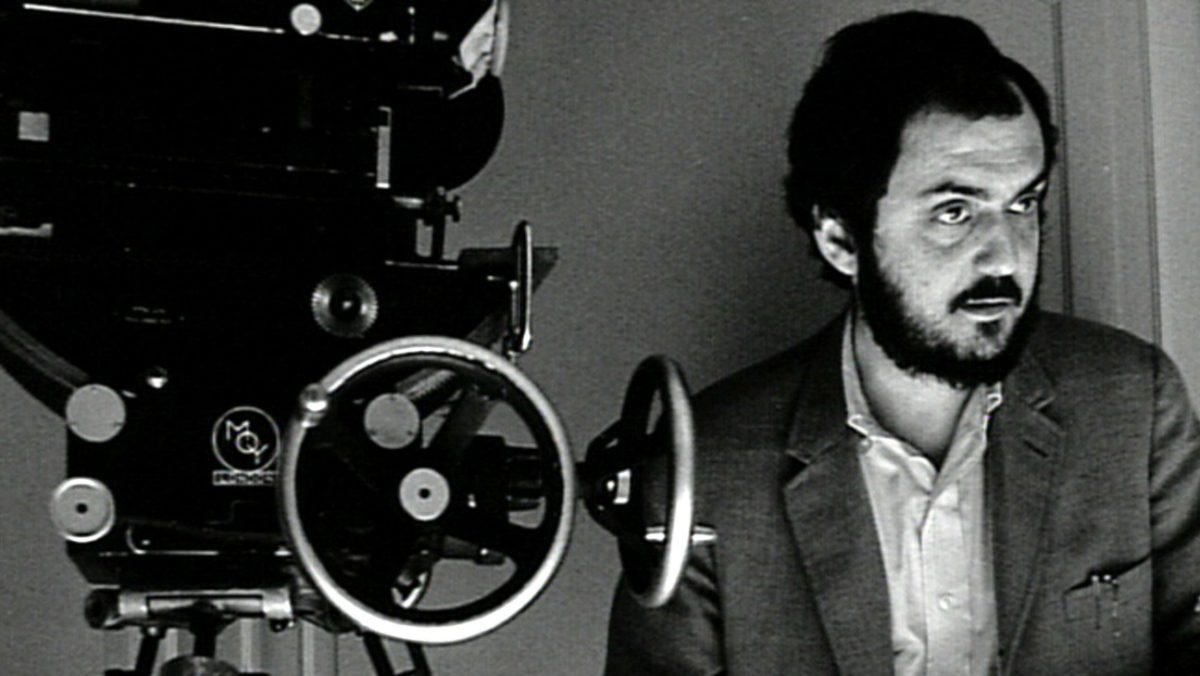
Stanley Kubrick

Never, ever go near power. Don’t become friends with anyone who has real power. It’s dangerous.

Quoted by Christiane Kubrick, in “After Kubrick,” The Guardian (August 18, 2010). See also “The Shining — Kubrick’s Gold Story,” Part Two, by Rob Ager.
Categories
Thought

James Mill

It never ought to be forgotten, that, in every country, there is ‘a Few,’ and there is ‘a Many’; that in all countries in which the government is not very good, the interest of ‘the Few’ prevails over the interest of ‘the Many,’ and is promoted at their expence. ‘The Few’ is the part that governs; ‘the Many’ the part that is governed.

Categories
Thought

Seneca the Younger

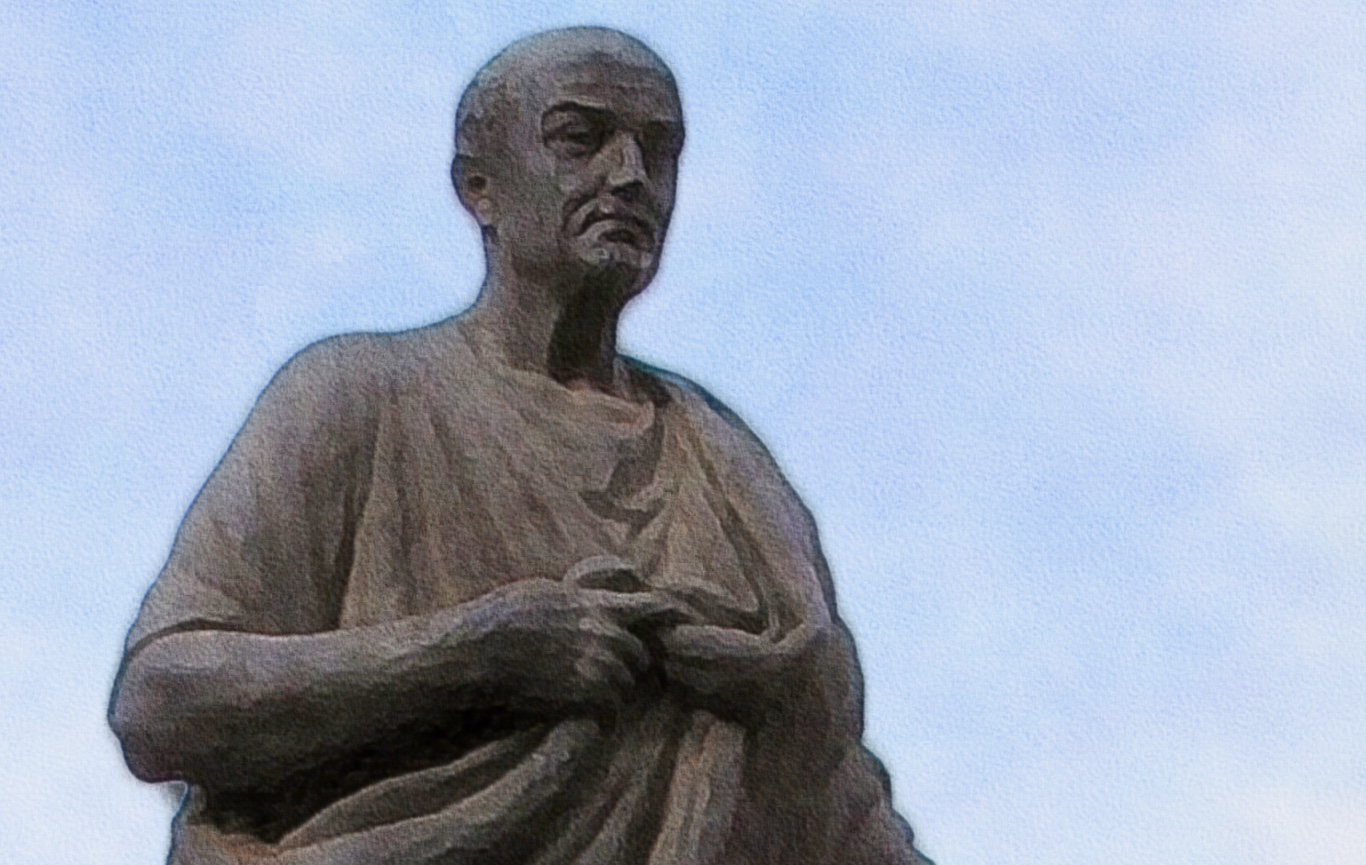
“Apply reason to difficulties; harsh circumstances can be softened, narrow limits can be widened, and burdensome things can be made to press less severely on those who bear them cleverly.”

Categories
Thought

Jean-Paul Sartre

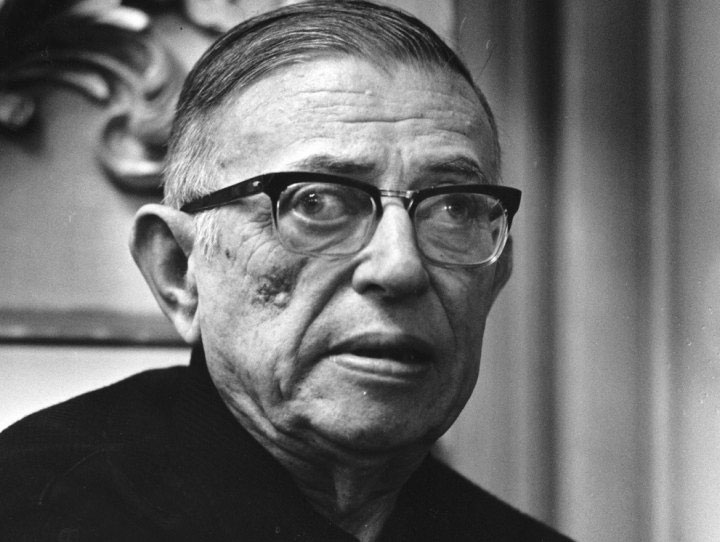
“Freedom is what you do with what’s been done to you.”