Categories
Accountability crime and punishment general freedom government transparency moral hazard national politics & policies property rights

Equitable Stealing?

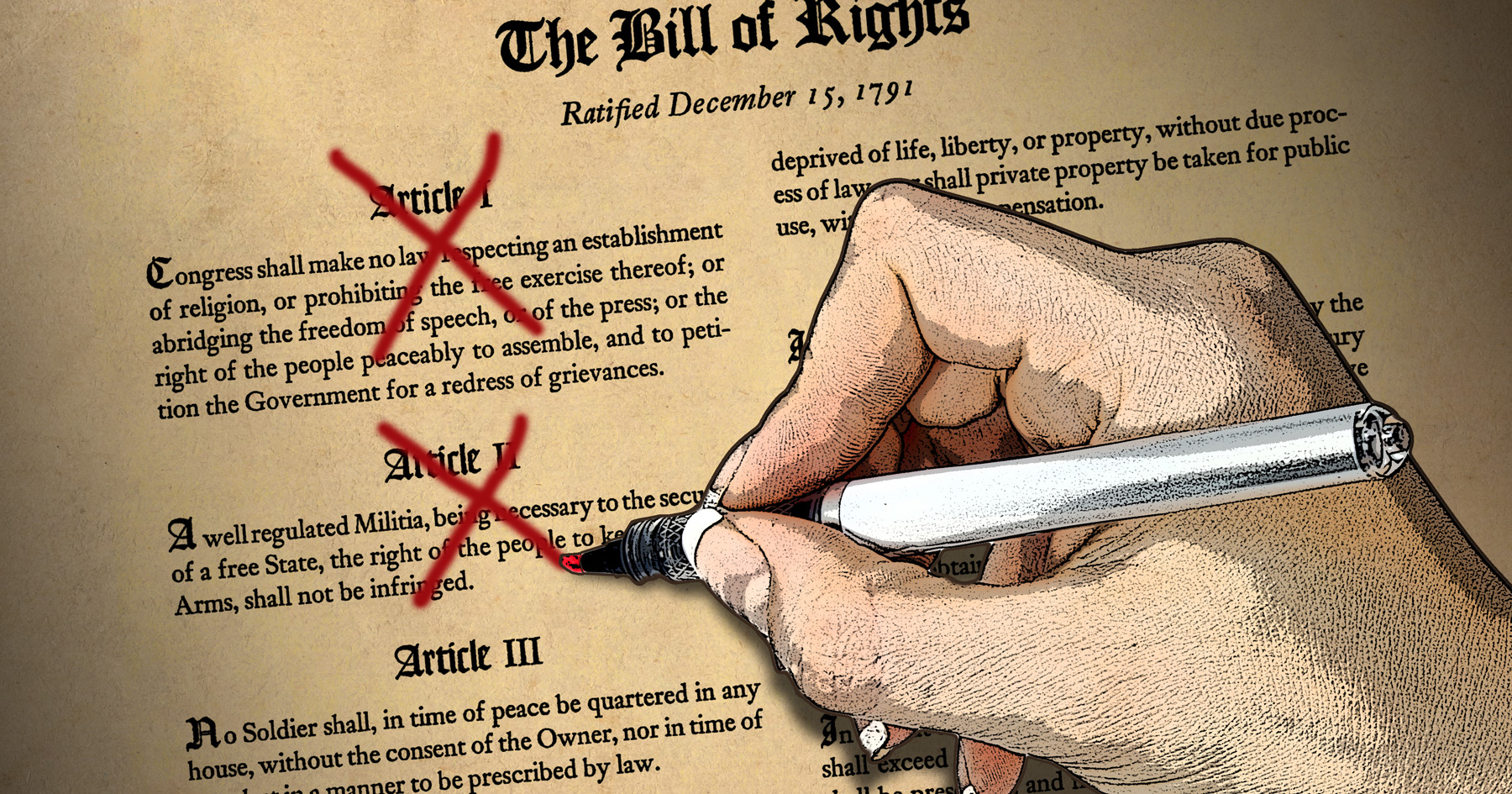
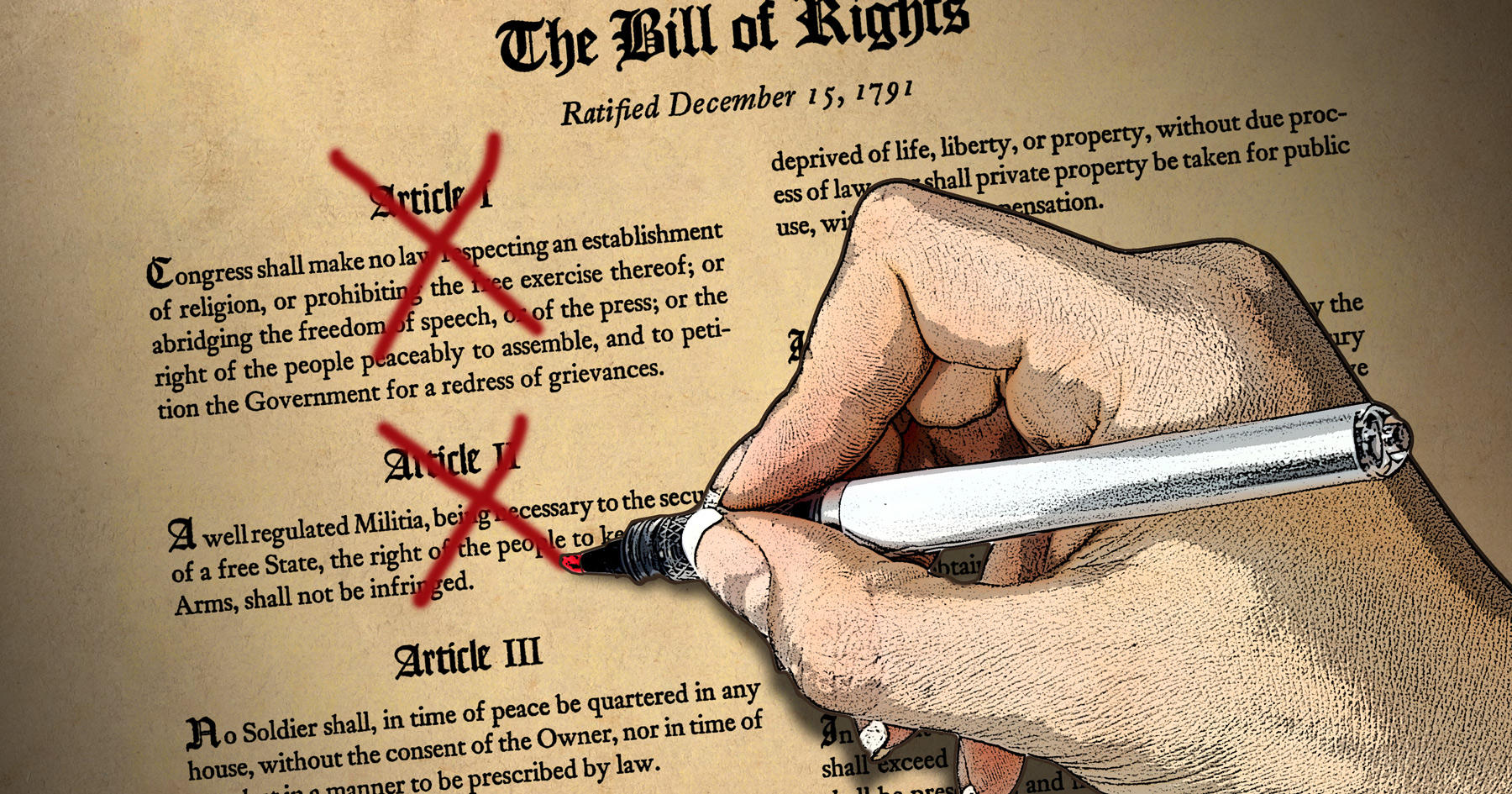
Is freedom a simple matter of drafting a lofty document about respecting the rights of citizens?

Alas, no.

Our Constitution does that, as does Turkey’s and, for that matter, so did the now-defunct Soviet Constitution. Obviously, vigilance is also required. Keeping powerful government agencies respectful of the law — our liberties — and, when not, fully accountable for transgressions, is crucial.

That necessary vigilance is lacking here in America, today.

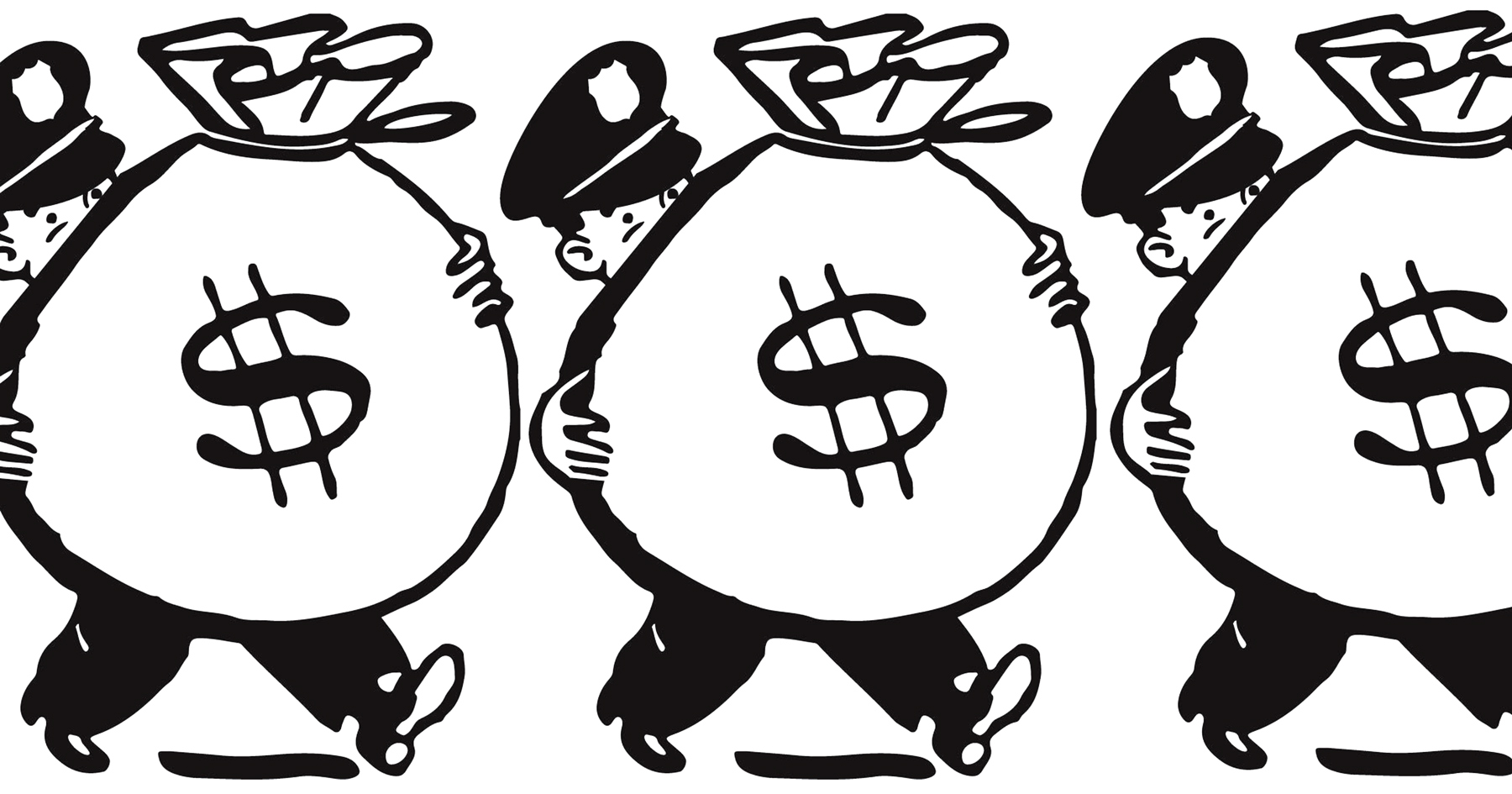
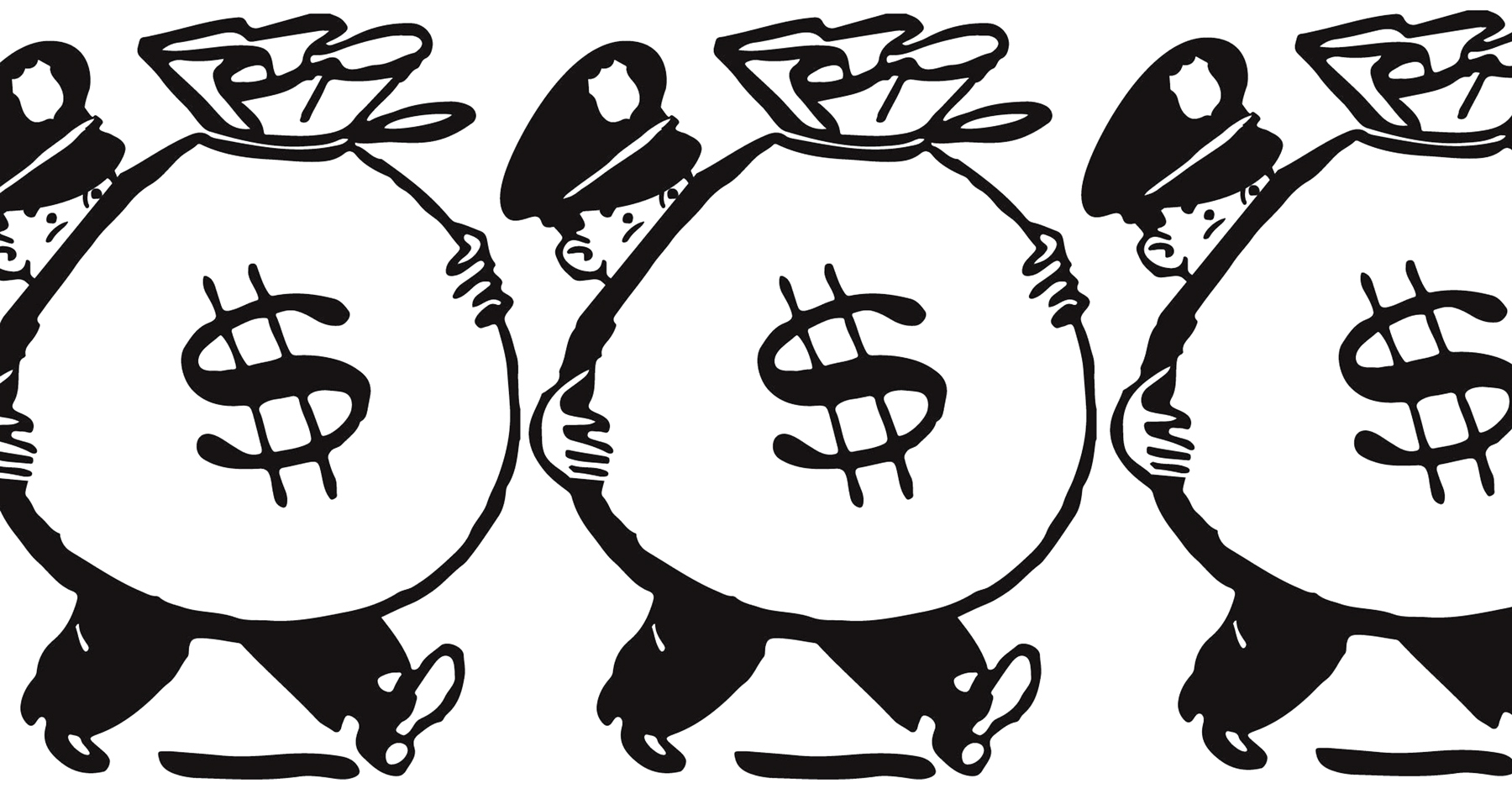
Your local police — the guys and gals who might respond if, heaven forbid, your home were broken into, or come upon your spouse broken down on a dark, rainy highway — are being encouraged to take people’s stuff . . . for “profit.”

It’s called civil asset forfeiture. This “legal” ability to stop people and snatch their money (or car or what-have-you) without ever charging anyone with a crime forces victims to hire a lawyer to sue the government to prove their stuff is innocent.

Last Friday, I heralded a new Institute for Justice report on the growth of this dangerous practice of official police thievery. At Townhall on Sunday, I pointed out that even when reforms are enacted at the state and local level, federal law enforcement still facilitates civil forfeiture. The Feds encourage locals to continue taking stuff through a federal program known as “equitable stealing.”

No, my bad, it’s actually called “equitable sharing.”

But it’s the same thing, just with the Feds and locals splitting the loot.

We need new laws at the federal, state and local level that abolish forfeiture without a criminal conviction. If our “leaders” won’t act, we can petition at the local level to end this pernicious policy, forbidding any involvement with the Feds.

This is Common Sense. I’m Paul Jacob.

Printable PDF

civil asset forfeiture, asset, forfeiture, police, abuse, stealing, theft, property, Common Sense


Categories
Accountability crime and punishment general freedom judiciary moral hazard national politics & policies property rights

Our Innocent Stuff

The Institute for Justice’s new report, Policing for Profit: The Abuse of Civil Asset Forfeiture, details a “big and growing problem” that “threatens basic rights to property and due process.”

Through both criminal and civil forfeiture laws, governments can seize property used in — or the proceeds of — a crime. Criminal forfeiture requires that a person be charged and convicted of a crime to transfer title to government. Civil forfeiture, on the other hand, allows governments to take people’s stuff without being convicted — or even charged — with a crime.

No surprise that 87 percent of asset forfeiture is now civil, only 13 percent criminal. And governments are grabbing more and more. The federal financial take has grown ten-fold since 2001.

“Every year,” IJ’s researchers document, “police and prosecutors across the United States take hundreds of millions of dollars in cash, cars, homes and other property — regardless of the owners’ guilt or innocence.” Then, the innocent victim must sue the government to have his or her stuff returned.

Incentive to steal? “In most places, cash and property taken boost the budgets of the very police agencies and prosecutor’s offices that took it,” an accompanying IJ video explains.

IJ’s report concludes that, “Short of ending civil forfeiture altogether, at least five reforms can increase protections for property owners and improve transparency.” Those five reforms are improvements, sure, but let’s end civil forfeiture completely.

It’s the principle!

Two principles, actually.

Civil forfeiture laws pretend law enforcement is taking action against our property, and that our property has no rights. But what about our property rights!

We’re innocent until proven guilty, too . . . and so is our stuff.

This is Common Sense. I’m Paul Jacob.


Printable PDF

civil forfeiture, civil asset forfeiture, crime, theft, police, abuse, property rights, Common Sense


Categories
national politics & policies

Deep Thinker Kerry

Comparing Friday’s horrific shootings by Islamist terrorists to the events of last January, one-time presidential candidate John Kerry noted that there is “something different about what happened from Charlie Hebdo. . . . There was a sort of particularized focus and perhaps even a legitimacy in terms of — not a legitimacy, but a rationale that you could attach yourself to somehow and say, ‘OK, they’re really angry because of this and that.’ This Friday was absolutely indiscriminate. It wasn’t to aggrieve [sic] one particular sense of wrong. It was to terrorize people. It was to attack everything that we do stand for.”

Yes, Kerry pulled himself out of the fire pretty fast, but, even if he earnestly believes that (as Reason characterized it) “killing cartoonists is less appalling than killing concertgoers,” this was a thought better left unexpressed.

What could Kerry have been thinking?

Here’s a guess: John Kerry sees himself as a reasonable man. Reasonable men try to understand things. And in the course of trying to understand things, a reasonable man will likely explore all sorts of ideas, make uncomfortable comparisons, follow challenging arguments wherever they lead.

But Mr. Kerry does have a job: Secretary of State. This makes him a key mouthpiece for the United States of America . . . to the world, and about world events.

A Secretary of State should know that standing up for rights is his public duty. It is not spinning theories about motivation that could ominously pass as justification for slaughtering some folks but not others.

His statement may betray him mid-thought, but hey: “everything we stand for” includes free speech and the press.

This is Common Sense. I’m Paul Jacob.


Printable PDF

John Kerry, Charlie Hebdo, Paris Attack, terrorism, Common Sense, Illustration


Categories
general freedom national politics & policies responsibility U.S. Constitution

Thank You for Your Service

When people risk their lives, saying thanks is the least we can do.

But it’s not enough.

Today on Veterans’ Day, we honor those who have served and are serving in the military.

The holiday was once Armistice Day, marking the peace agreement that concluded World War I at the eleventh hour on the eleventh day of the eleventh month of 1918. That’s where the phrase “the eleventh hour” comes from. It’s also why the holiday has remained on whatever day Nov. 11 falls — not the closest Monday to provide non-military government workers another three-day weekend.

Of course, Woodrow Wilson’s “war to end all wars” didn’t end warfare. Numerous wars have followed. Today, the president goes to war whenever he feels like it, not only without a declaration, without any authorization — or even discussion — by Congress.

So, here’s what I think we owe veterans:

A federal government that keeps its word.

The Veterans Administration’s continued failure to adequately care for returning soldiers is unacceptable. Until the VA is fixed, don’t vote for any incumbent.

Don’t let our uniformed sons and daughters be shipped off to any conflict where (a) our freedoms are not directly threatened, and (b) where there’s no sane plan to end the conflict and bring our troops home.

Don’t trust politicians.

From the sinking of the Maine (Spanish-American War) and the Lusitania (WWI) to the Gulf of Tonkin incident (Vietnam) and the faulty intelligence that greased the path into the Iraq Conquest, distrust is rational, almost a duty.

Disagree over foreign policy? Over whether to go to war or not? Sure, but we cannot leave these decisions to an insulated cabal of politicians. Deinsulate them. Speak your mind.

This is Common Sense. I’m Paul Jacob.


Printable PDF

veteran's day, war, soldiers, peace, politician, Common Sense, Paul Jacob


Categories
free trade & free markets general freedom nannyism national politics & policies tax policy

Pass/Fail/Pass

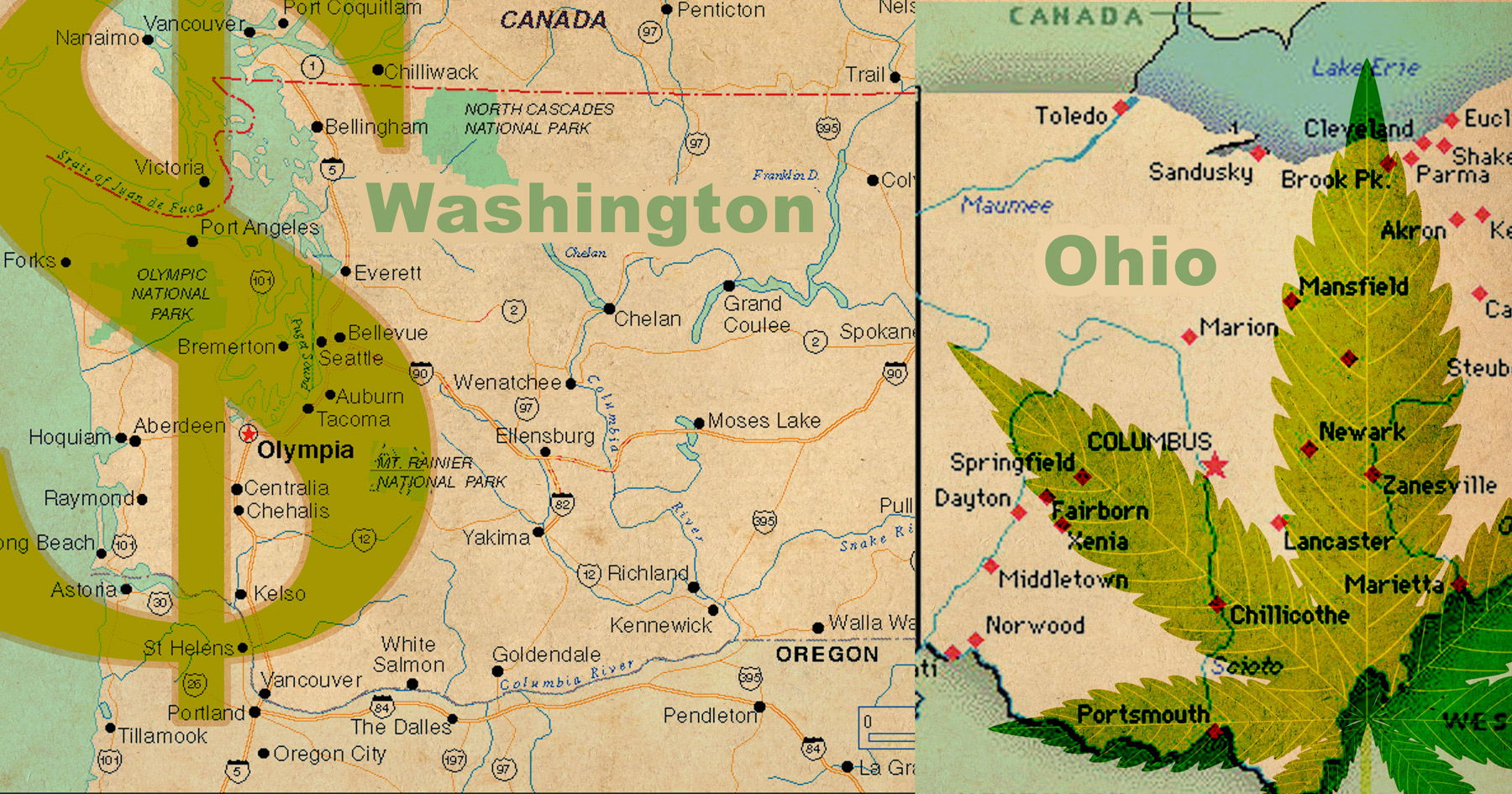
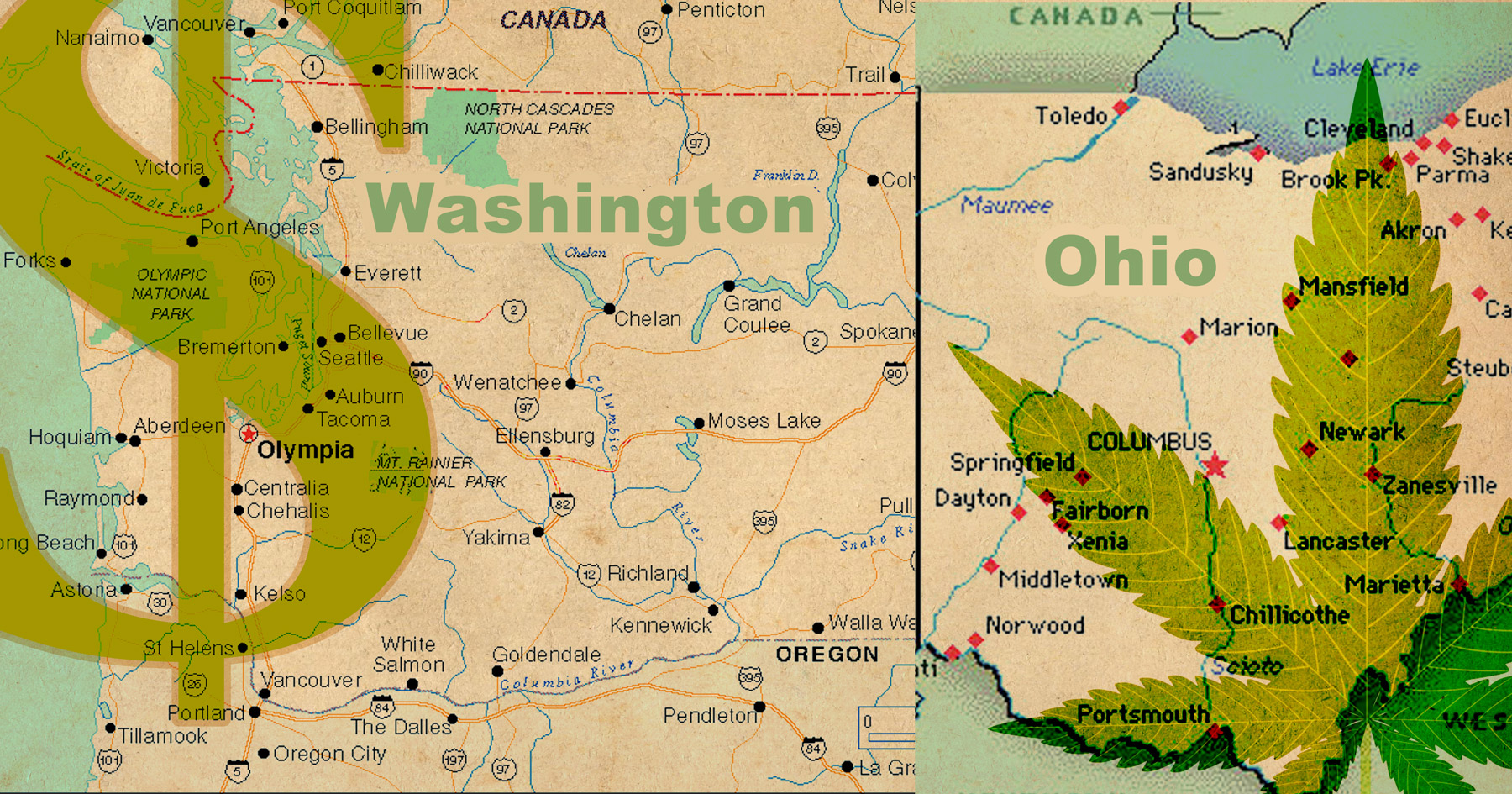
While the Ohio measure to legalize marijuana did not pass, this week, the Washington State measure to wrest tax limitations out of a recalcitrant legislature did indeed succeed, with a 54 percent win.

Win some, lose some.

But in both these cases, there is some evidence for a general smartening up of the voting public.

With Ohio’s Measure 103, the support for cannabis legalization, a few weeks before Election Day, seemed strong. But the more voters looked at the measure, the more they caught a whiff of stink — and it wasn’t skunk weed. It was crony capitalism and insider favoritism. So, while a solid majority reasonably favors legalization — even in Ohio — it strikes most reasonable people that the measure’s secondary provision of setting up a monopolistic/oligopolistic production cartel is as anti-freedom as the legalizations is pro.

Smart folks saw through the proposal. Cannabis legalization is proceeding, state by state. Better results for legalization next time?

Perhaps, provided a better measure is offered.

Washington’s I-1366, on the other hand, had several levels to it, too, but they worked together. Voters seeking a constitutional tax limit, got it — or, if the legislature balks at delivering it as a future referendum (as the measure instructs) then the initiative’s main feature would kick in and the sales tax would be lowered. Low-tax voters get low taxes either way, legislature cooperating or resisting.

As I’ve explained some time back, repeated legislative betrayal had forced Evergreen State super-activist Tim Eyman to concoct this rather clever ploy.

In both Ohio and Washington, what voters voted against was against politics-as-usual — and that is good, no?

This is Common Sense. I’m Paul Jacob.

Printable PDF

November 2015 vote, Washington, Ohio, marijuana, legalization, illustration


Categories
Accountability general freedom ideological culture national politics & policies

A Broken Fix

It is universally acknowledged that Congress is all screwed up, but ideas differ on how to reform it.

Representative Paul Ryan (R-Wisc.), in accepting the Speaker of the House position, admitted, “The House is broken. We are not solving problems. We are adding to them.”

But how to fix what is broken?

In my opinion — and according to virtually every survey of Americans for the last 20 years — term limits would be the best first step.

Speaker Ryan, sadly, is no term limits fan. But at least he calls for “opening the process up” and a “new spirit of transparency.” Ryan promises “not [to] duck tough issues,” while seeking “concrete results.”

Chris Cillizza, writing “The Fix” blog for The Washington Post, predicts Ryan will “probably not” succeed.

Cillizza cites four big problems, the last two are obvious, though undefined: “3. Polarization in the country” that results in “4. Polarization in Congress.”

His No. 1 reason for the dysfunction in the House? The ban on earmarks. “Without a carrot to offer wavering members on contentious legislation,” Cillizza complains, “leadership had to rely almost exclusively on relationships and goodwill.”

Forget persuasion on the merits; apparently, congressional leadership should bribe members for their votes.

Next, Cillizza bemoans the “rise of outside conservative groups” able to speak against incumbents they oppose and for those they support. This means “the party leadership could no longer choke off campaign funds to those who refused to fall in line.”

“Falling in line” isn’t the right reform goal.

Meet another member of the Washington press corps with a strange hankering for boss rule.

This is Common Sense. I’m Paul Jacob.


Printable PDF

carrot, sticks, congress, compromise, influence, illustration, Common Sense


Categories
folly general freedom ideological culture meme national politics & policies U.S. Constitution

“No Boots on the Ground”

Obama has put “boots on the ground” in Syria after promising 16 times that he would not put “boots on the ground” in Syria. Our Nobel Peace Prize winner seems to have trouble staying out of wars.

USATodayBoots


U.S. Sends Ground Troops to Syria. Here Are 3 Reasons Why That’s Bad.


Click below for high resolution image:

no boots on the ground, meme, Obama, war, Syria, lies, peace, Common Sense, Paul Jacob, Jim Gill, illustration


Categories
crime and punishment general freedom nannyism national politics & policies tax policy too much government

Not Plutonium

If Ohioans pass Issue 3 today, the days of pot prohibition will disappear like the smoke from a wild night’s last bong hit.

That’s sorta what Nick Gillespie of Reason argued yesterday, anyway. “[I]f marijuana can be legalized in Ohio,” he wrote, “it can — and will be — legalized everywhere and the war on pot is effectively over.” Why?

Ohio is the ultimate embodiment of mythical “middle America” and a state that once plastered “the Heart of It All” on its license plates. It’s poised to become just the fifth state to legalize weed — before liberal blue states like California, Maryland, New York, Massachusetts, and perhaps most importantly, before its dark twin in college sports and economic dissipation, Michigan. Given its paradigmatic normalcy, Ohio can be the place where the drug war . . . finally goes to die.

But there is a disturbing aspect to Issue 3: “Crony Capitalism.”

The constitutional amendment would not simply legalize growth and sale, subject to regulation similar to alcohol or tobacco. Though it would legalize home growth, it stakes out a complicated limited licensing system for commercial sale, allowing for only a handful of growers in the state.

Gillespie quotes one pro-legalization activist who objects to the very idea that “any group or corporation has the exclusive right to grow marijuana and sell it. It’s not plutonium. It’s an agricultural commodity that should be regulated like one.”

A recent poll shows voters evenly split on Issue 3, but increasingly troubled that the measure creates an un-free market, a lucrative marijuana monopoly for those funding the initiative.

Today’s balloting may determine only whether voters like marijuana more than they dislike monopolies.

This is Common Sense. I’m Paul Jacob.


Printable PDF

marijuana, legalization, Ohio, law, crime, illustration, Common Sense


Categories
folly general freedom ideological culture meme nannyism national politics & policies too much government

Ignore Those Pesky Extremists!

We have nothing to fear from BIG GOVERNMENT!


Click below for high resolution image:

Elizabeth Warren, Extremists, extremism, Tea Party, Big Government, Statism, collage, photomontage, illustration, Jim Gill, Paul Jacob, Common Sense, meme, memes


Categories
free trade & free markets general freedom national politics & policies

Why Protectionism

Why do so many people (especially politicians) favor high tariffs, “managed trade,” embargoes and domestic subsidies, all of which — first as “mercantilism” and then as “protectionism” — have been debunked, repeatedly (demonstrated as ineffective economic policy), since Adam Smith’s famous 1776 attack?

Economist Donald Boudreaux, in an excellent defense of economic principles, explains why the Bernie Sanderses and Donald Trumps of this world support anti-free trade nostrums — out of sheer ignorance:

The typical politician opposes free trade because he . . . doesn’t understand that the purpose of trade — any trade — is to enrich people as consumers and not to enrich people as producers. He doesn’t understand that exports are a cost and that imports are a benefit; he thinks that it’s the other way ’round. He doesn’t understand that the specific jobs lost to imports are not the only employment consequences of trade; he doesn’t understand that trade also “creates” jobs in the domestic economy. . . . He, in short, doesn’t understand the first damn thing about the economics of trade.

But what protectionists do understand are direct appeals to “good results” (like more and better high-paying jobs). The fact that their proposals throw a monkey wrench into the diverse mechanisms of trade, yielding worse results?

They just don’t see them.

Why? Because real economies are complex, and protectionists lack the science that would help them trace the consequences of their policies.

The fact that they’ve focused their whole attention on the business of “governing,” and making simplistic, direct appeals to people who are also uneducated in economic principles, doesn’t help.

This is Common Sense. I’m Paul Jacob.


Printable PDF

Donald Trump, Bernie Sanders, economics, free trade, collage, photomontage, Jim Gill, Paul Jacob, Common Sense