Dr. Martin Luther King, Jr., penned his Letter from Birmingham Jail while incarcerated in Birmingham, Alabama, for protesting segregation, on April 16, 1963.
Categories
Letter from Birmingham Jail

Dr. Martin Luther King, Jr., penned his Letter from Birmingham Jail while incarcerated in Birmingham, Alabama, for protesting segregation, on April 16, 1963.
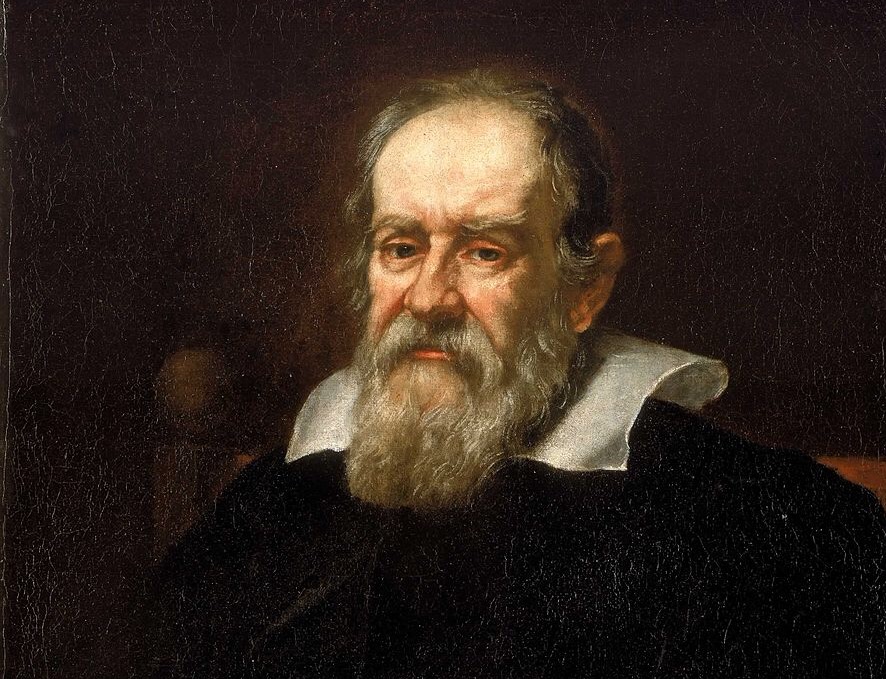
In questions of science the authority of a thousand is not worth the humble reasoning of a single individual.
Galileo Galilei, as quoted in Biographies of Distinguished Scientific Men (1859) by François Arago.
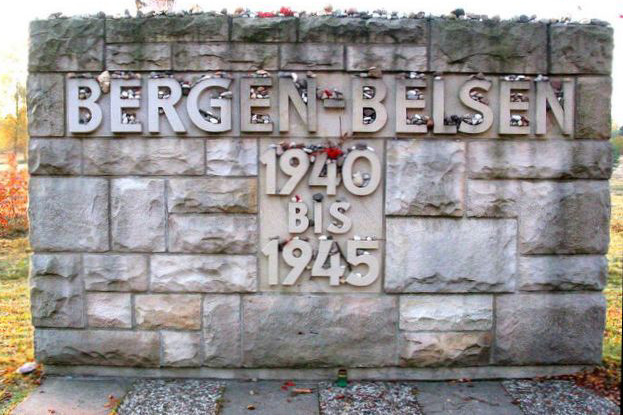
On April 15, 1945, the Bergen-Belsen concentration camp was liberated.
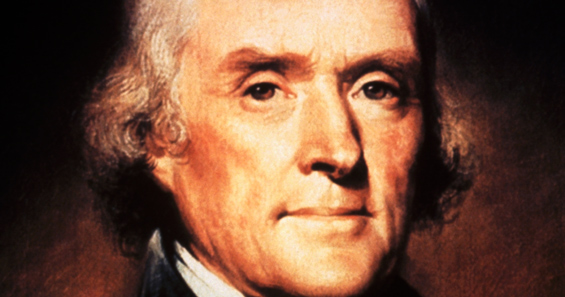
Sometimes it is said that man cannot be trusted with the government of himself. Can he, then, be trusted with the government of others?
Thomas Jefferson, First Innaugural Address, March 4, 1801.
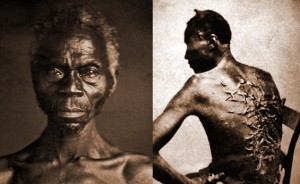
On April 14, 1775, the Society for the Relief of Free Negroes Unlawfully Held in Bondage, the first American organization committed to the abolition of slavery, was formed in Philadelphia.
On April 14, 1818, Noah Webster published his American Dictionary of the English Language, one of the first lexicons to include distinctly American words. The dictionary, which took him more than two decades to complete, introduced more than 10,000 “Americanisms.”
On April 14, 1988, representatives of the Soviet Union, Afghanistan, the United States, and Pakistan signed an agreement calling for the withdrawal of Soviet forces from Afghanistan. In exchange for an end to the disputed Soviet occupation, the United States agreed to end its arms support for the Afghan anti-Soviet factions, and Afghanistan and Pakistan agreed not to interfere in each other’s affairs.
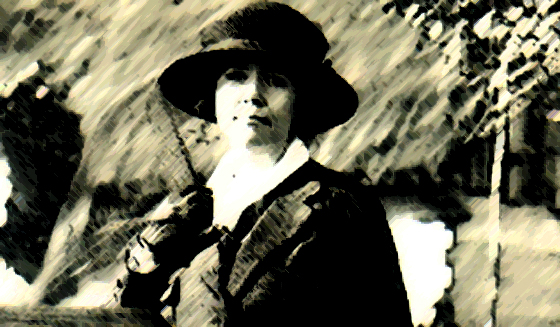
This is the nature of human energy; individuals generate it, and control it. Each person is self-controlling, and therefore responsible for his acts. Every human being, by his nature, is free.
Rose Wilder Lane, Discovery of Freedom (1943).
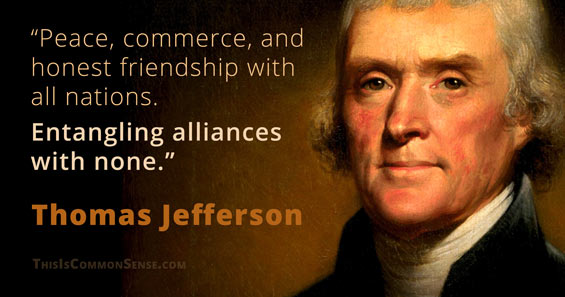
On April 13, 1743, Thomas Jefferson was born. Author of Notes on the State of Virginia and the first draft of the United States’ Declaration of Independence, Jefferson was also a scientist, philosopher, inventor, diplomat, and American politician. He also composed music, designed buildings, and translated works from his favorite French writers, whom he had met in his diplomatic missions to Paris.
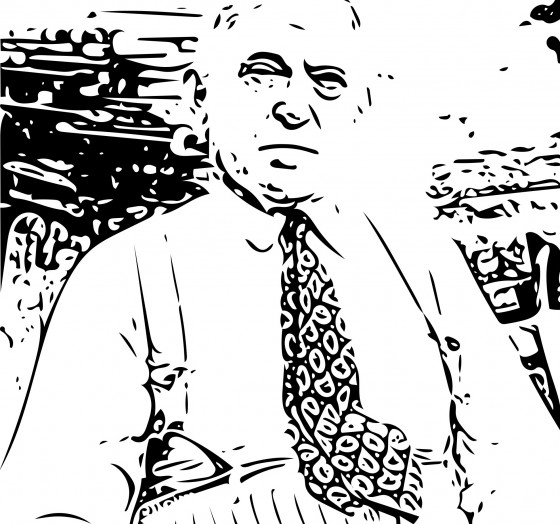
[T]he average workingman has before him two practicable methods for satisfying his will to power. By the first method he enters into a conspiracy with other workingmen . . . endeavor[ing] to raise the market value of their skill without offering any corresponding improvement in its quality. By the second method, the individual workman seeks so to improve his own skill that it shall bring more than the average price.
H. L. Mencken, in Robert Rives La Monte and Mencken, Men versus The Man (1910).
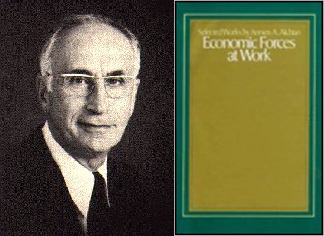
On April 12, 1914, American economist Armen Alchian was born. His contributions to economic theory and teaching were many and varied — his textbook, co-authored with William R. Allen, University Economics (also titled Exchange and Production), was widely considered one of the finest intermediate texts in microeconomics — but he remains perhaps best known for his work on property rights.
Alchian died in 2014, in late February, at the age of 99.
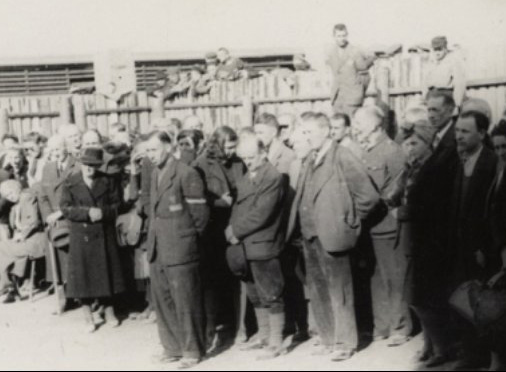
On April 11, 1945, the American Third Army liberated the Buchenwald concentration camp, near Weimar, Germany, a camp that would later be judged second only to Auschwitz in the horrors it imposed on its prisoners.
Among those in the camp saved by the American soldiers was Elie Wiesel, who would go on to win the Nobel Peace Prize in 1986.
Shown in photograph: German citizens ushered to the camp by American soldiers, post-conquest.