On June 2, 1924, President Calvin Coolidge signed the Indian Citizenship Act into law, granting citizenship to all Native Americans born within the territorial limits of the United States.
Categories
Citizenship
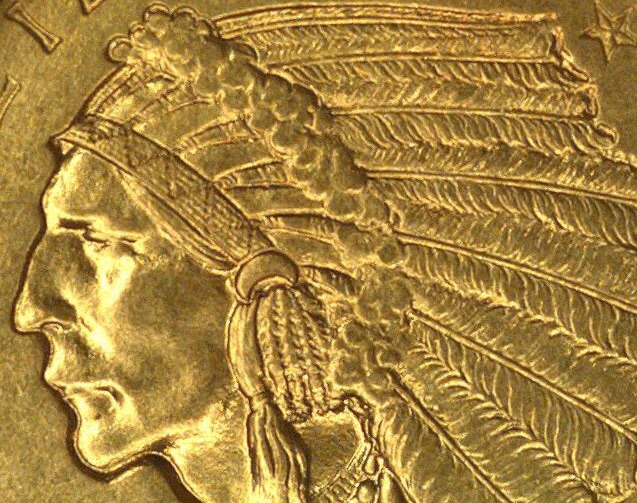
On June 2, 1924, President Calvin Coolidge signed the Indian Citizenship Act into law, granting citizenship to all Native Americans born within the territorial limits of the United States.

Sincere enthusiasm is the only orator who always persuades. It is like an art the rules of which never fail; the simplest man with enthusiasm persuades better than the most eloquent with none.
La Rochefoucauld, Réflexions ou sentences et maximes morales, (1665, 1678), 411th maxim.
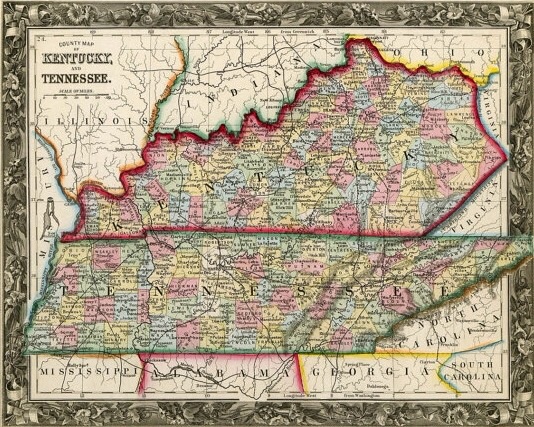
On June 1, 1792, Kentucky was admitted as the 15th state of the United States. Four years later, Tennessee became the 16th state.

On May 31, 455, Emperor Petronius Maximus was stoned to death by an angry mob while fleeing Rome. On the same date in 1678, Lady Godiva’s procession through Coventry began.
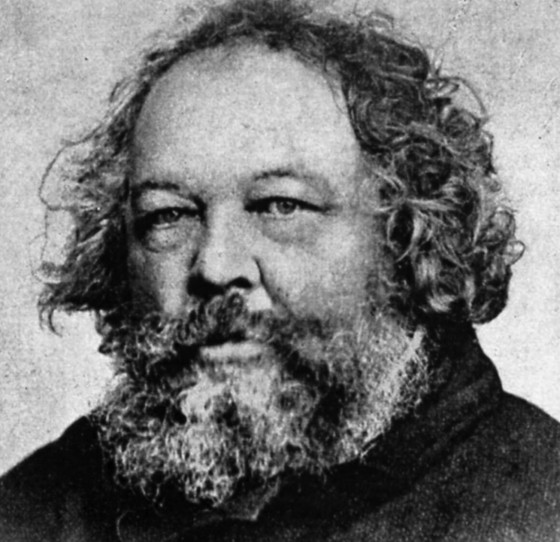
The liberty of every individual is only the reflection of his own humanity, or his human right through the conscience of all free men, his brothers and his equals.
I can feel free only in the presence of and in relationship with other men. In the presence of an inferior species of animal I am neither free nor a man, because this animal is incapable of conceiving and consequently recognizing my humanity. I am not myself free or human until or unless I recognize the freedom and humanity of all my fellowmen.
Only in respecting their human character do I respect my own.
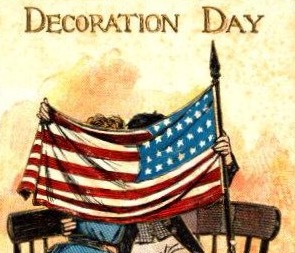
On May 30, 1868, the United States observed Decoration Day (the predecessor of the modern “Memorial Day”) for the first time.

Karl Kraus, about his newsletter, Die Fackel.
My public and I understand each other very well: it does not hear what I say, and I don’t say what it wants to hear.

. . . a brand new future!
Well, maybe. Americans have so far shown a bit too much old-brand loyalty.
Click on over to Townhall.com, and then come back here. We’ve quite a good show:
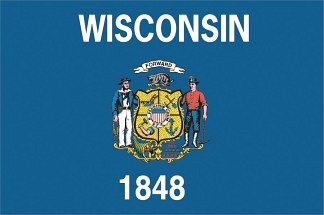
On May 29, 1848, the territory of Wisconsin officially became a state. In December, a second state constitutional convention had been held — producing a document less radical than the first, which had been voted down by the people earlier in the year — and soon after the territorial legislature called for a popular vote, by referendum. The measure passed, and Wisconsin became the thirtieth of the United States of America, the last east of the Mississippi to enter into the union.

Government to citizens: go shop yourselves to death; leave the warfare to us…