On May 28, 1952, the women of Greece gained the right to vote.
Categories
Greek voters
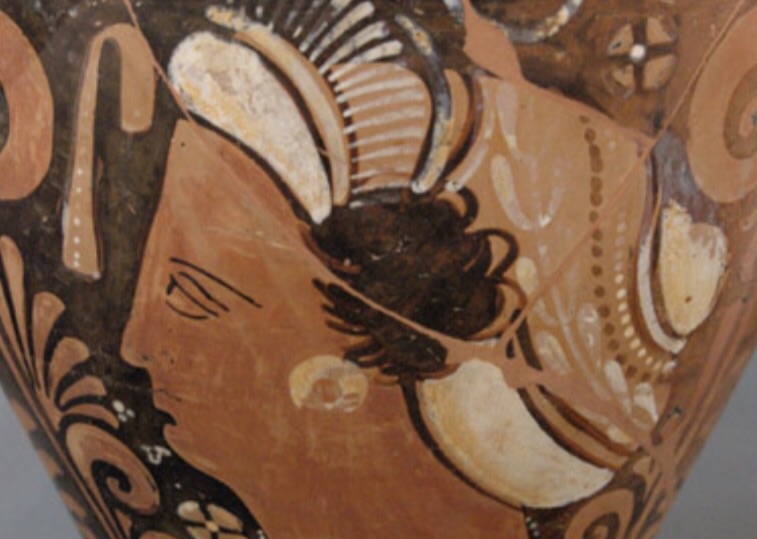
On May 28, 1952, the women of Greece gained the right to vote.
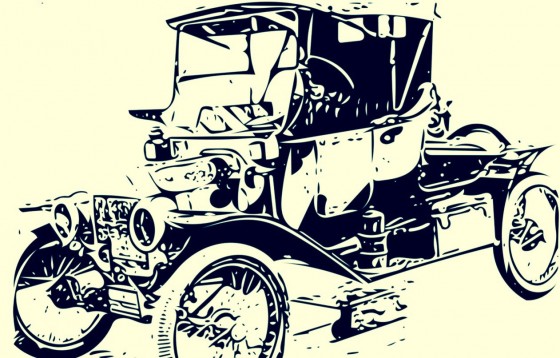
On May 27, 1860, Giuseppe Garibaldi began his attack on Palermo, Sicily, as part of the Italian unification.
In 1927 on this date in May, the Ford Motor Company ceased manufacture of the Ford Model T, the last of this model coming off the line the day previous. Over 16 million Model T Fords had been sold, and was a world transformative product. On the 27th, the company began to retool plants to make the Ford Model A.
Exactly 70 years later, the U.S. Supreme Court ruled that Paula Jones could pursue her sexual harassment lawsuit against President Bill Clinton while he was in office.
In 2015, 27 May, the commercial space company SpaceX was approved as a contractor to the U.S. military for satellite launches; SpaceX would go on to compete for contracts against the Boeing-Lockheed Martin United Launch Alliance, currently the primary military launch provider
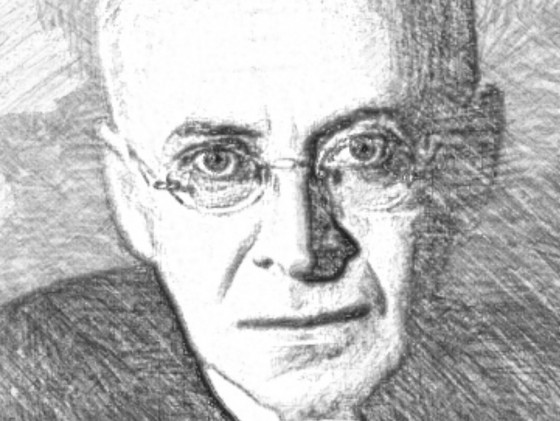
War: first, one hopes to win; then one expects the enemy to lose; then, one is satisfied that the enemy too is suffering; in the end, one is surprised that everyone has lost.
Karl Kraus, Die Fackel, no. 46 (October 9, 1917).
In arguing against free enterprise capitalism, the collectivist always adopts the false assumption of a fixed number of jobs in that system. Conversely, in arguing for collectivism, he always assumes that there will be as many jobs as there are workers. The government will make the jobs.
Isabel Paterson, The God of the Machine, 1943.
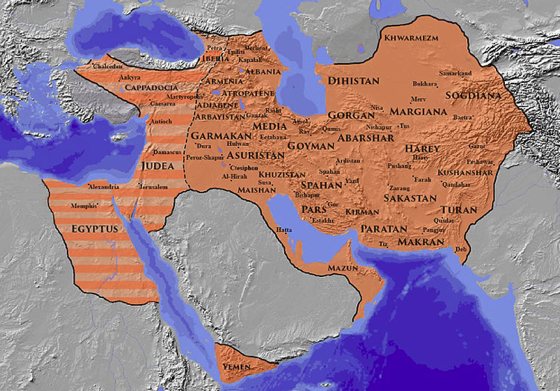
On May 26, 451, the Sassanid Empire defeated the Armenians at the battle of Battle of Avarayr, but guaranteed them freedom to openly practice Christianity.
On May 26, 1328, scholastic philosopher and Franciscan friar William of Ockham and other Franciscan leaders secretly exited Avignon, fearing a death sentence from Pope John XXII. On the same day in 1538, the city of Geneva expelled John Calvin and his followers, who headed to exile in Strasbourg.

May 25, 1818, the Swiss historian and academic Jacob Burckhardt was born. Burckhardt’s best known work is The Civilization of the Renaissance in Italy (1860), but is remembered here as the author of Reflections on History (1905).
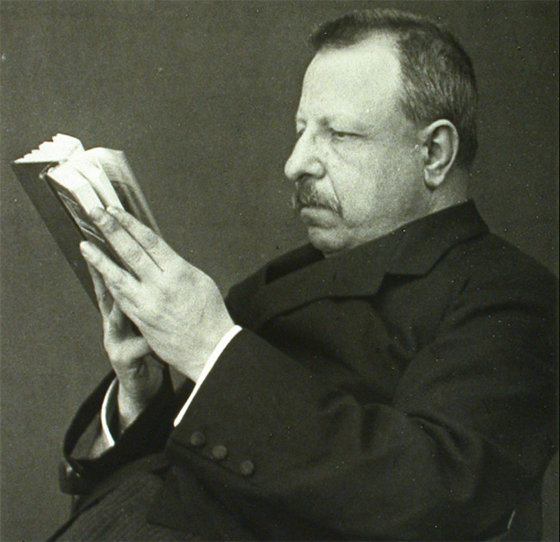
Even in the darkest and crassest times liberty trembles in the lines of poets and affirms itself in the pages of thinkers and burns, solitary and magnificent, in some men who cannot be assimilated by the world around them.
Benedetto Croce, History as the Story of Liberty, 1938 (1941, Eng. translation).
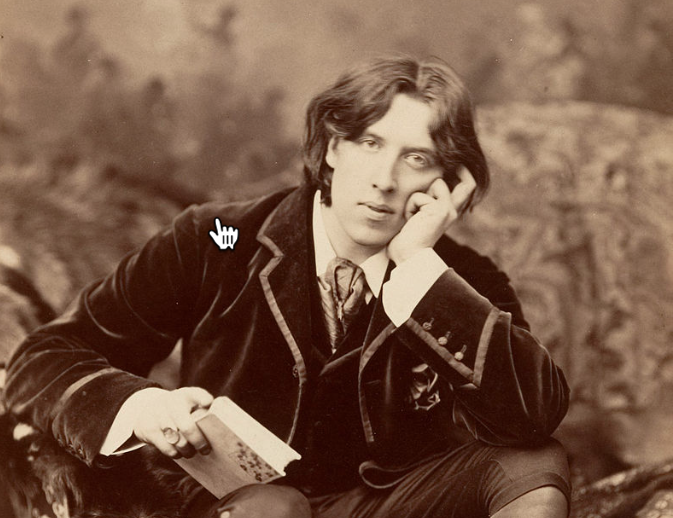
Experience, the name men give to their mistakes.
Oscar Wilde, Vera, or The Nihilists, 1880.
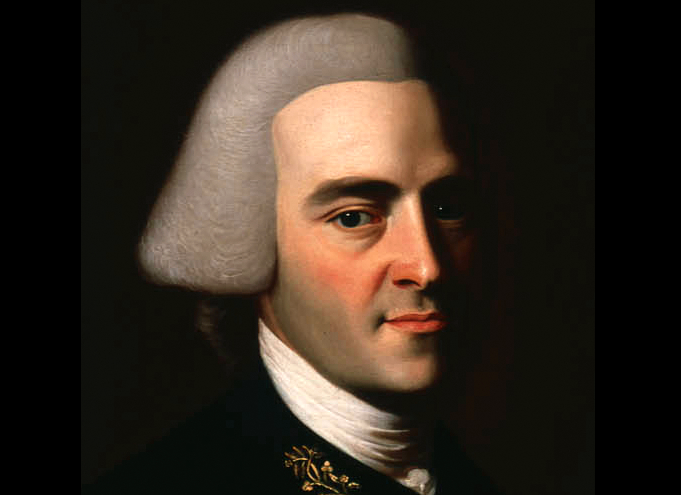
On May 24, 1775, John Hancock was elected president of the Second Continental Congress.
Hancock’s involvement with Samuel Adams and his radical group, the Sons of Liberty, won the wealthy merchant the dubious distinction of being one of only two Patriots (the other being Sam Adams) that the Redcoats marching to Lexington in April 1775 to confiscate Patriot arms were ordered to arrest. When British General Thomas Gage offered amnesty to the colonists holding Boston under siege, he excluded those same two men from his offer.
Like many other things, the laudable ideal of combining education and research has its seamy side, in that graduate teaching offers an opportunity to recruit cheap (and in a way forced) labour for the captains of the research industry.
Stanislav Andreski, Social Sciences as Sorcery (1972), p. 187.