Liberty may be maimed, but not killed; reason may be bent, but not broken.
George Santayana, Egotism in German Philosophy, 1915
Liberty may be maimed, but not killed; reason may be bent, but not broken.
George Santayana, Egotism in German Philosophy, 1915

July 27 births include that of Samuel Smith (1872; pictured), an American who served as a captain, major, and lieutenant colonel in the Continental Army,  and later as a politician in several capacities in the state of Maryland; Hillaire Belloc (1870), author of a classic analysis of modern political governance, The Servile State; and American singer and songwriter Bobbie Gentry (1944).
On July 27, 1694, the Bank of England received a royal charter, beginning a long history of central banking in England. Subsequent inflationary booms and deflationary busts are subsequently considered “mysterious” by people connected with the bank.
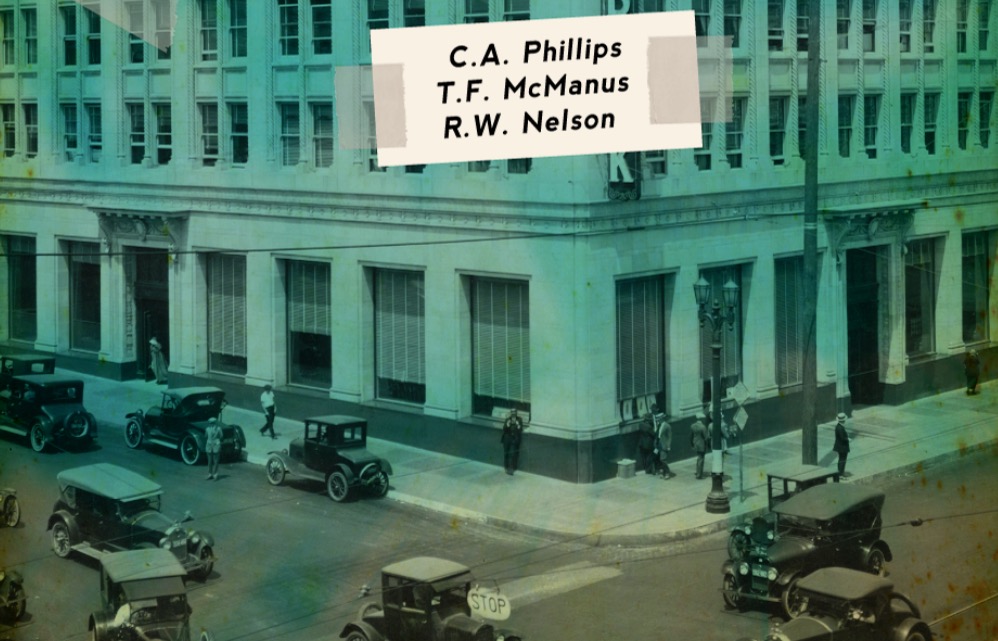
During recent years a number of pseudo-economists have indulged in much glibness about the passing of the ‘economy of scarcity’ and the arrival of the ‘economy of abundance.’ Sophistry of this sort has claimed the public ear far too long; it is high time that the speciousness of such fantastic views be clearly and definitely exposed. Attention needs to be focused on the hard elementary fact that man’s darkest curse has ever been his poverty, and that it yet is and promises to continue so for numberless generations. No economist worthy of the name, moreover, should need to be reminded that in the absence of “scarcity” there would be no system of ‘economy’ and no ‘science of economics.’
C.A. Phillips, T.F. McManus, and R.W. Nelson Banking and the Business Cycle: A Study of the Great Depression in the United States (Laissez Faire Books, 2014), originally published 1937.
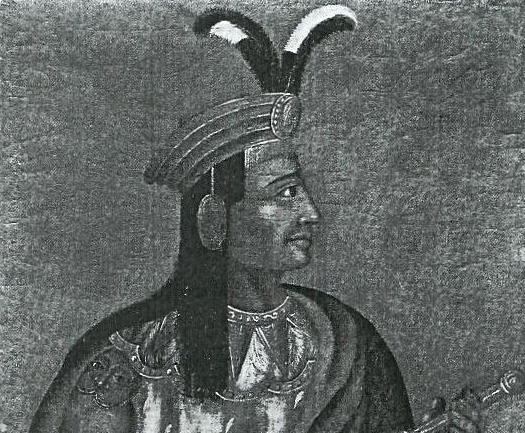
On July 26, 1533, Francisco Pizarro’s Spanish conquistadors strangled to death Atahualpa, the 13th and last emperor of the Incas, thereby ending 300 years of Inca civilization. The conquistadors were greedy and murderous, but the Inca civilization, arguably, was worse: totalitarian and radically inegalitarian. But they made great high-mountain roads. (Arguments about infrastructure promoted by Big Government continue to this very day.)
On this day in 1948, U.S. President Harry S. Truman signed Executive Order 9981 desegregating the U.S. military.
The Inca’s way of dealing with his whole empire seems not to have differed from his conduct in setting up his capital. His procedure there too was marked by the elaboration of a rational program, its execution by authoritarian decree, and finally the laying down of regulations designed to prevent any occasion of disturbance and to render the organization definite and permanent. Naturally, this system, so logical in its plan, was bound to encounter obstacles in adapting itself to realities.
Louis Baudin, A Socialist Empire: The Incas of Peru.
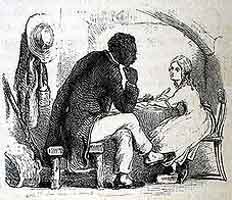
On July 25, 1861, the U.S. Congress passed the Crittenden-Johnson Resolution, stating that the war with the seceded states of the Confederacy was being fought to preserve the Union, not to end slavery.
Thank you for your email. This Internet of yours is a wonderful invention.
(George W. Bush to Al Gore during the 2000 presidential campaign.)
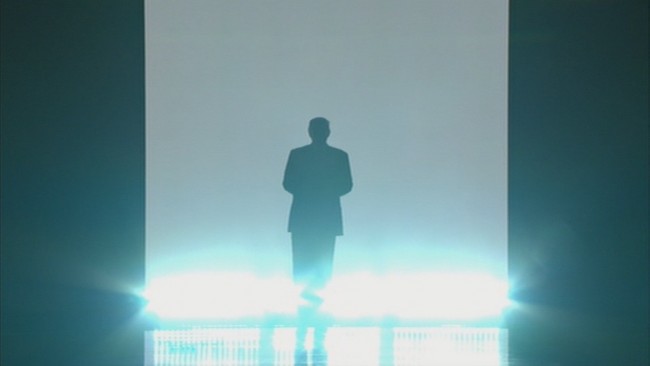
From his raised platform at the convention, Donald J. Trump made some things perfectly clear. Unfortunately, it was not what he plans on actually doing as president, even on security, which he pushed to a Lord of the Rings level of dark horror and dire importance. Big on promises, short on specifics. “Trust me.”
Click on over to the Townhall website for this weekend’s foray into long form Common Sense. Come back here for a little more reading:

Hillary Clinton does share Richard Nixon’s penchant for secrecy and dissembling, an obsession with enemies, and an inability to change course until even more damage is done. The country paid a terrible price electing to its highest office a person with Nixon’s character flaws. If Democrats don’t understand that their self-interest lies in looking at other candidates before their 2016 convention, they face a strong chance that over a long campaign the public will come to agree that Hillary has too many Nixonian qualities to be trusted with high office.
John Fund, National Review, “Do Hillary and Nixon Look Like Soulmates?” (August 21, 2015).

Ladies and Gentleman, from the Republican National Convention in Cleveland, Ohio:
https://youtu.be/UTJB8AkT1dk