Odoacer, a German “barbarian,” ousted Romulus Augustus, the last emperor of the Western Roman Empire, thus ending that empire on September 4, 476.
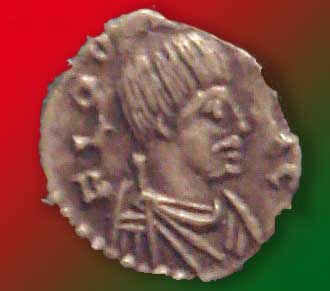
Odoacer, a German “barbarian,” ousted Romulus Augustus, the last emperor of the Western Roman Empire, thus ending that empire on September 4, 476.
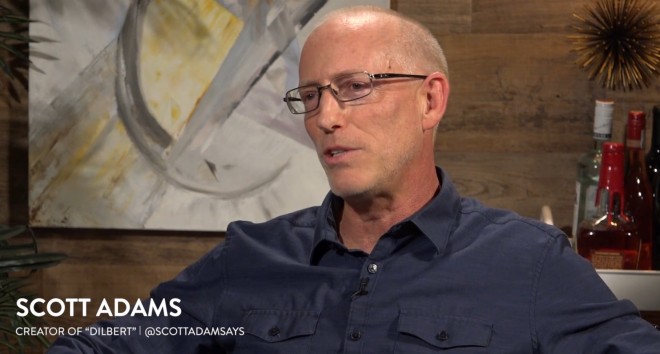
The Rubin Report, an interesting excerpt from the most recent video:
Dave Rubin’s podcast is available on iTunes and other venues, such as Libsyn.
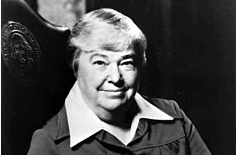
On September 3, 1914, Dixy Lee Ray was born. Her stint as governor of the State of Washington was a controversial one, as she economized in startling ways, and proved largely unsympathetic to environmentalist politics. Indeed, she later wrote Trashing the Planet, which took on trendy “solutions” to environmental problems, based in no small part on her own experience and perspective as a scientist. She was an early critic of the developing “global warming” pseudo-“consensus.”
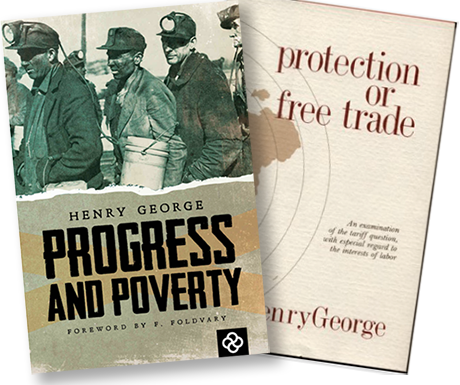
September 2 marks the 1839 birthday of American economist and reformer Henry George. George is most famous for his 1879 treatise, Progress and Poverty, but made many other contributions, including advocacy of the secret ballot and his able economic policy polemic Protection or Free Trade (1886).
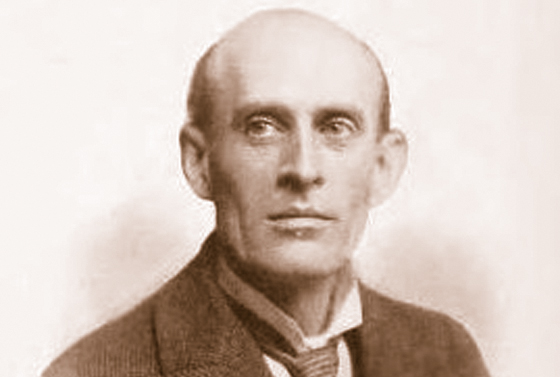
Human thought is like a monstrous pendulum: it keeps swinging from one extreme to the other. Within the compass of five generations we find the Puritan first an uncompromising believer in demonology and magic, and then a scoffer at everything involving the play of fancy.
Eugene Field, The Writings in Prose and Verse of Eugene Field: The love affairs of a Bibliomaniac (1896), “The Mania of Collecting Seizes Me,” (chapter 4), p. 44.
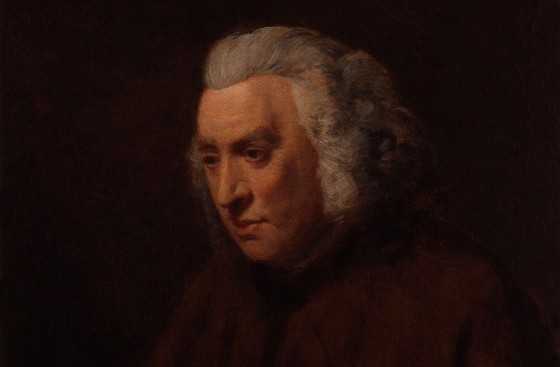
The first years of man must make provision for the last.
Samuel Johnson, The History of Rasselas, Prince of Abissinia (1759), Chapter 27.
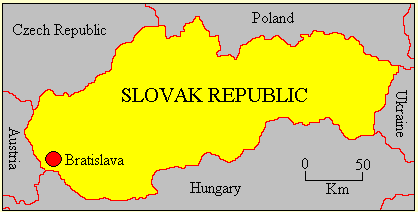
Slovakia celebrates a Constitution Day on September 1, for the Constitution passed by the Slovak National Council on September 1, 1992.
The Slovaks place their rights provision early in their document, like most American states, and not as amendments, as in the federal government of the United States of America.
Integrity without knowledge is weak and useless, and knowledge without integrity is dangerous and dreadful.
Samuel Johnson, The History of Rasselas, Prince of Abissinia (1759), Chapter 41.
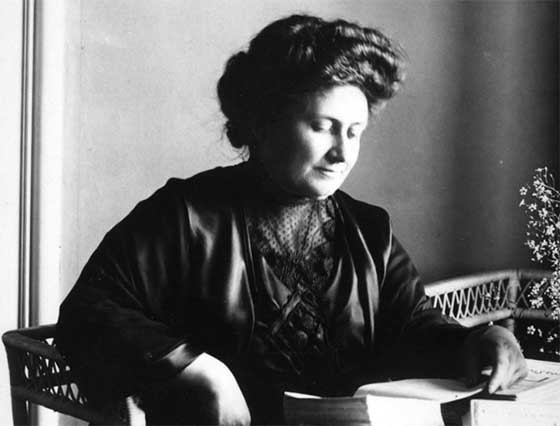
On August 31, 1870, educator Maria Montessori was born.
August 31 serves as Independence Day for Kyrgyzstan, Malaysia, and Trinidad and Tobago.
Many things difficult to design prove easy to performance.
Samuel Johnson, The History of Rasselas, Prince of Abissinia (1759), Chapter 26.