On September 18, 1793, George Washington laid the cornerstone of the Capitol building.
It has grown, since.
On September 18, 1838, Richard Cobden established the Anti-Corn Law League, which proceeded to bring free trade to Britain.
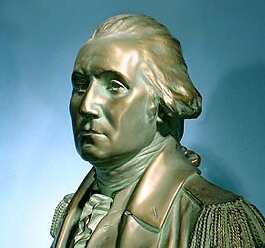
On September 18, 1793, George Washington laid the cornerstone of the Capitol building.
It has grown, since.
On September 18, 1838, Richard Cobden established the Anti-Corn Law League, which proceeded to bring free trade to Britain.

ReasonTV interviews Trevor Timm regarding Edward Snowden:
Now, in theaters (the weekend premiere was yesterday; today’s the second day):
News conference for the new effort to gain a pardon from Obama:
https://youtu.be/vB0qg4XKWno
Ed Snowden begins to speak at 16:37 of the above video. Here is just the Snowden portion:
Previous to the current biopic, there was Citizenfour, winner the Academy Award for Best Documentary:
Full film (two hours):
https://youtu.be/h9RI78fRWC4
Terminal F, another documentary:
Living Liberty 2016 Forum — Edward Snowden Live from Russia:
https://youtu.be/ZuwW3VhIRkM
Real Time with Bill Maher with filmmaker Laura Poitras:
Real Time with Bill Maher featuring Glenn Greenwald:
https://youtu.be/wjEEM1XCfTk
HBO’s State of Surveillance with Edward Snowden:
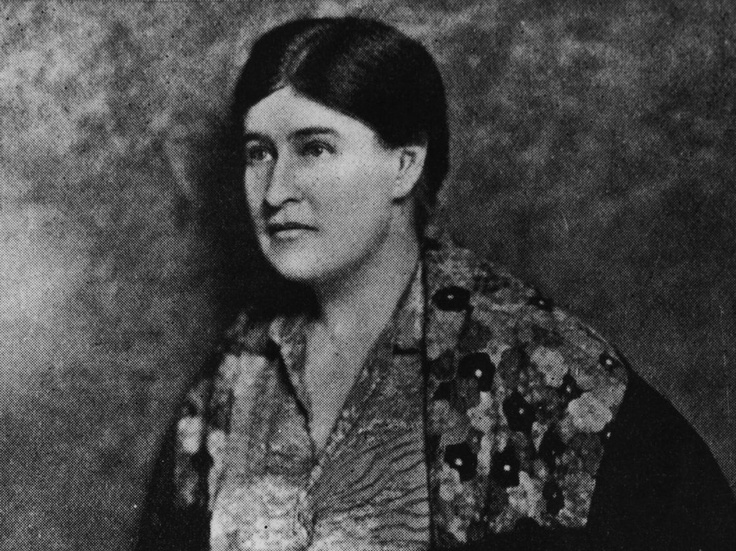
There are only two or three human stories, and they go on repeating themselves as fiercely as if they had never happened before.
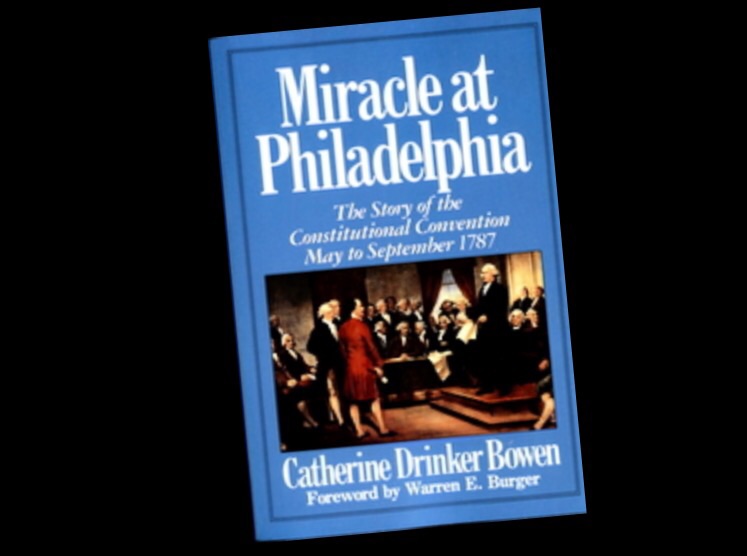
On September 17, 1787, the Constitution of the United States was signed in Philadelphia, Pennsylvania.
In 1849 on this same day in September, Harriet Tubman escaped to freedom in Philadelphia, but soon returned to Maryland to rescue her family. She made at least 13 trips into the slave-owning South to liberate more than 70 slaves before the Civil War (in which she served as a spy for the North).
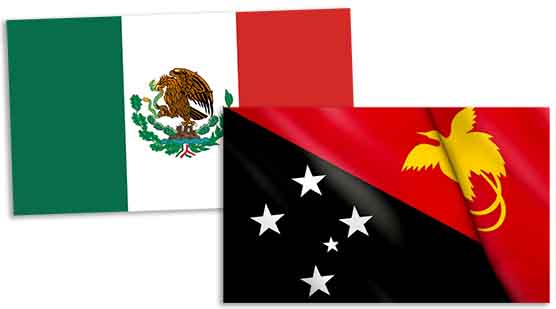
September 16 marks the Independence Days for Mexico (celebrating the declaration of independence from Spain in 1810) and Papua New Guinea (commemorating the exit from Australia in 1975).
In a mad world it always seems simpler to obey.
Graham Greene, Our Man in Havana (1958).
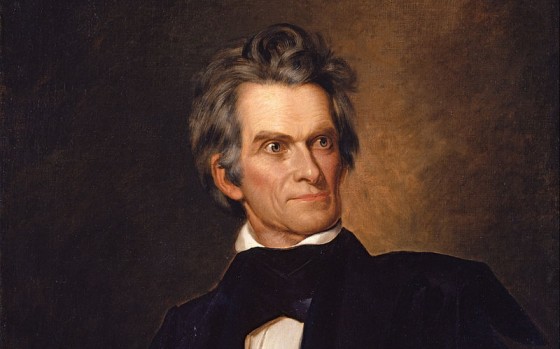
It is harder to preserve than to obtain liberty.
John Caldwell Calhoun, speech in the U. S. Senate (1848). Calhoun’s image (above), a detail from a portrait by George Peter Alexander Healy.
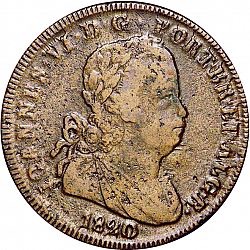
On September 15, 1820, an uprising occured in Lisbon, Portugal, following similar insurrection in Porto the previous month. This was no bloodthirsty mob, but, instead, a popular demand for constitutional government. Unfortunately, the country was beset with imperial and monarchical problems for some time to come.
The United Nations established September 15 as International Day of Democracy, in 2007. An Independence Day is celebrated on this date in Guatemala (a Patriotic Day), El Salvador, Honduras, Nicaragua, and Costa Rica, commemorating independence from Spain in 1821.
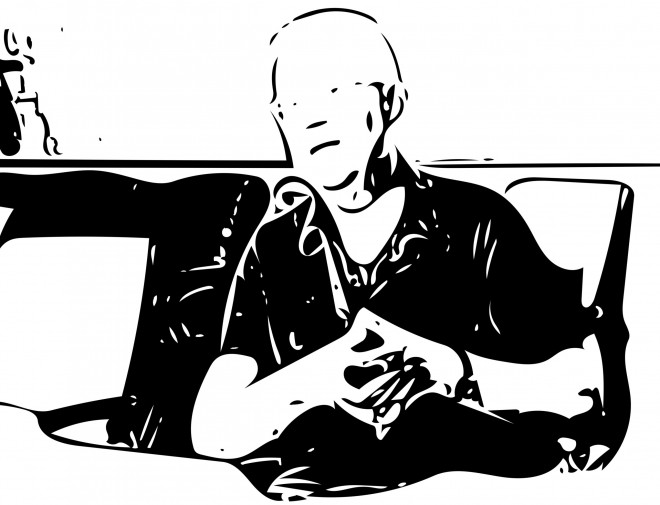
It takes imagination to identify an economic principle. It takes still more imagination to follow the implications of the principle outside the context of commercial activity and explore its psychological, social, and political meanings.
Stephen Cox, in Cox and Paul Cantor, Literature and the Economics of Liberty: Spontaneous Order in Culture (2010).
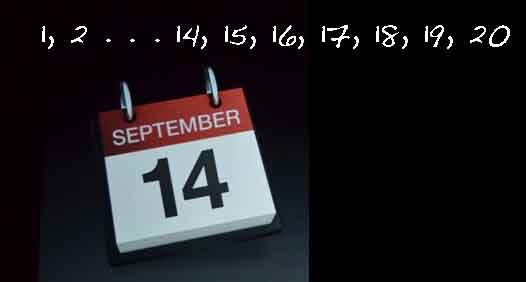
In 1752, throughout the British Empire, September 2 was followed, the next day, by September 14, as the government adopted the Gregorian calendar, skipping eleven days.
On September 14, 1944, Maastricht becomes the first Dutch city to be liberated by allied forces.