Categories
links

Townhall: An American Abroad

Paul Jacob was in Europe last week, at a conference. Which was not without its ideological conflicts — on the streets. Click on over to Townhall, then come back here for street-ready ideas.

Categories
Thought

P. J. O’Rourke

There is worldwide pigheadedness about money. There is a willful and even belligerent ignorance concerning ways and means. . . . Not all this ignorance is irrational. Economists, for instance. John Maynard Keynes couldn’t have become a big shot, guiding government intervention in business and finance, if it hadn’t been for the Great Depression. And Alan Greenspan is a success because we all lost our wallets when inflation scared our pants off.


P. J. O’Rourke, Eat the Rich: A Treatise on Economics (1998), p. 235.

Categories
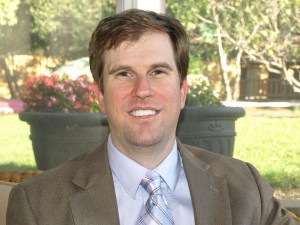
by Paul Jacob video

The Media Helped Elect Trump

From an interview on Swiss public television, Paul Jacob explains the Trump victory for concerned Europeans:

http://youtu.be/96WgWGxFWZQ

An article featuring Paul can be found here: “Election upset to boost direct democracy in US.”

Paul is scheduled to return to his home soil next week.

Categories
Thought

Roy Blount, Jr.

A good heavy book holds you down. It’s an anchor that keeps you from getting up and having another gin and tonic.


Roy Blount, Jr., “Reading and Nothingness, Of Proust in the Summer Sun,” New York Times (June 2, 1985).

Categories
Today

Of/By/For

On November 19, 1863, President Abraham Lincoln delivered the Gettysburg Address at the ceremonial dedication of the military cemetery in Gettysburg, Pennsylvania, appropriating an old phraseology for republican government — “of the people, by the people, for the people” — and giving it its most memorable usage.

On the same date in 1955, National Review published its first issue.

Categories
Thought

George Santayana

Egotism is a bastard word meant to designate something spurious and artificial, not to be confused with the natural egoism or self-assertion proper to every living creature. To condemn the latter would be to condemn life, which could not go on without it; but like every normal faculty, self-assertion has degrees, and passes insensibly from the happy mean to the opposite vices of excess and defect. Egotism, on the contrary, though more or less pronounced, is always a vice because it is founded on a mistake.


George Santayana, postscript to Egotism in German Philosophy (1916).

Categories
Today

Tell and Shaw

On November 18, 1307, legend has it, William Tell shot a crossbow bolt to pierce an apple, toppling it off his son’s head. He was forced to do this by the local Austrian authority, whose hat hung on a pole in the Altdorf town square Tell had refused to bow to when entering the village. Tell endures as a Swiss folk hero, and provides the subject of a famous opera by Rossini — the music of which is associated with, in many ears, Bugs Bunny and the Lone Ranger.

In 1926, on this date, George Bernard Shaw formally refused to accept the money for his Nobel Prize for Literature, saying, “I can forgive Alfred Nobel for inventing dynamite, but only a fiend in human form could have invented the Nobel Prize.”

Categories
Thought

P. J. O’Rourke

Marijuana never kicks down your door in the middle of the night. Marijuana never locks up sick and dying people, does not suppress medical research, does not peek in bedroom windows. Even if one takes every reefer madness allegation of the prohibitionists at face value, marijuana prohibition has done far more harm to far more people than marijuana ever could.


P. J. O’Rourke, as quoted in Busted : Stone Cowboys, Narco-lords, and Washington’s War on Drugs (2002), edited by Mike Gray.

Categories
Today

Confederation

On November 17, 1777, the Articles of Confederation were submitted to the states for ratification.

On that date in 1800, the United States Congress held its first session in Washington, D.C.

Categories
Today

John Bright

On November 16, 1532, Francisco Pizarro and his men captured Inca Emperor Atahualpa at the Battle of Cajamarca.

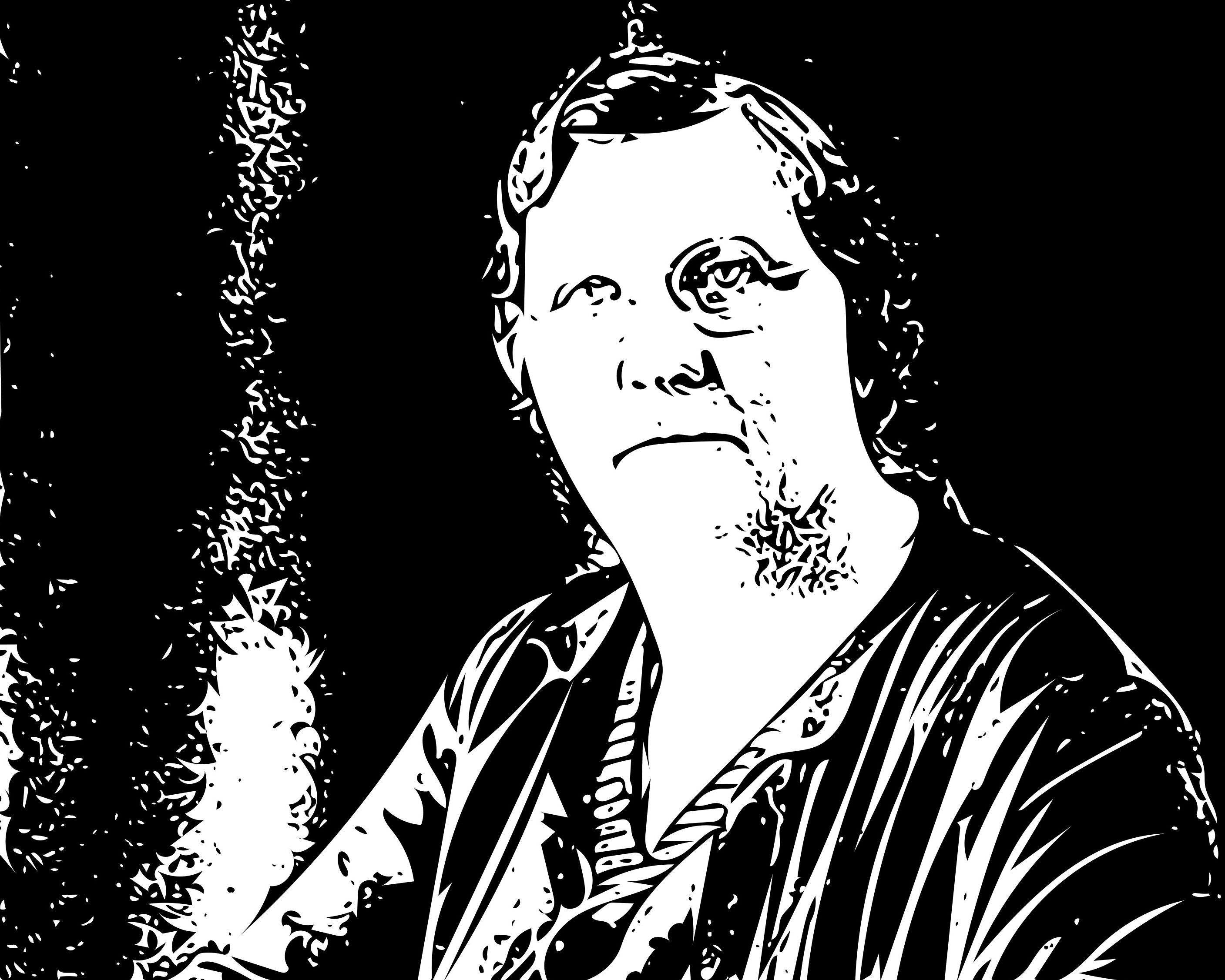
In 1811 on this date, John Bright (pictured above), English academic and politician, Chancellor of the Duchy of Lancaster, was born. Bright (d. 1889), famously worked with Richard Cobden against the Corn Laws (repealed in 1846) as well as for the Cobden–Chevalier Treaty of 1860, which ushered in freer trade and closer interdependence between Britain and France.