On June 8, 1949, George Orwell’s dystopian novel Nineteen Eighty-Four was published.
Categories
Nineteen Eighty-Four
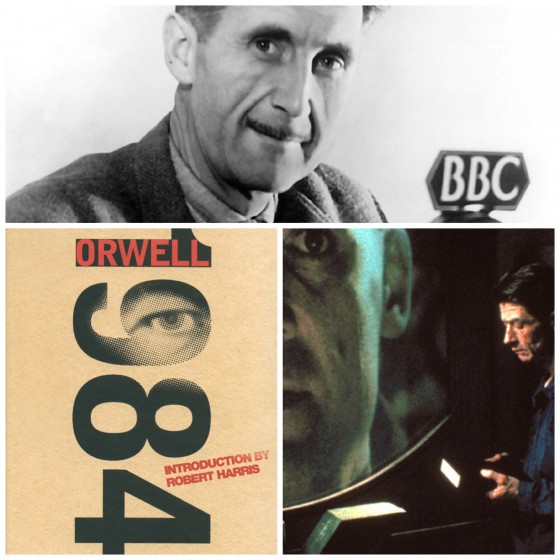
On June 8, 1949, George Orwell’s dystopian novel Nineteen Eighty-Four was published.
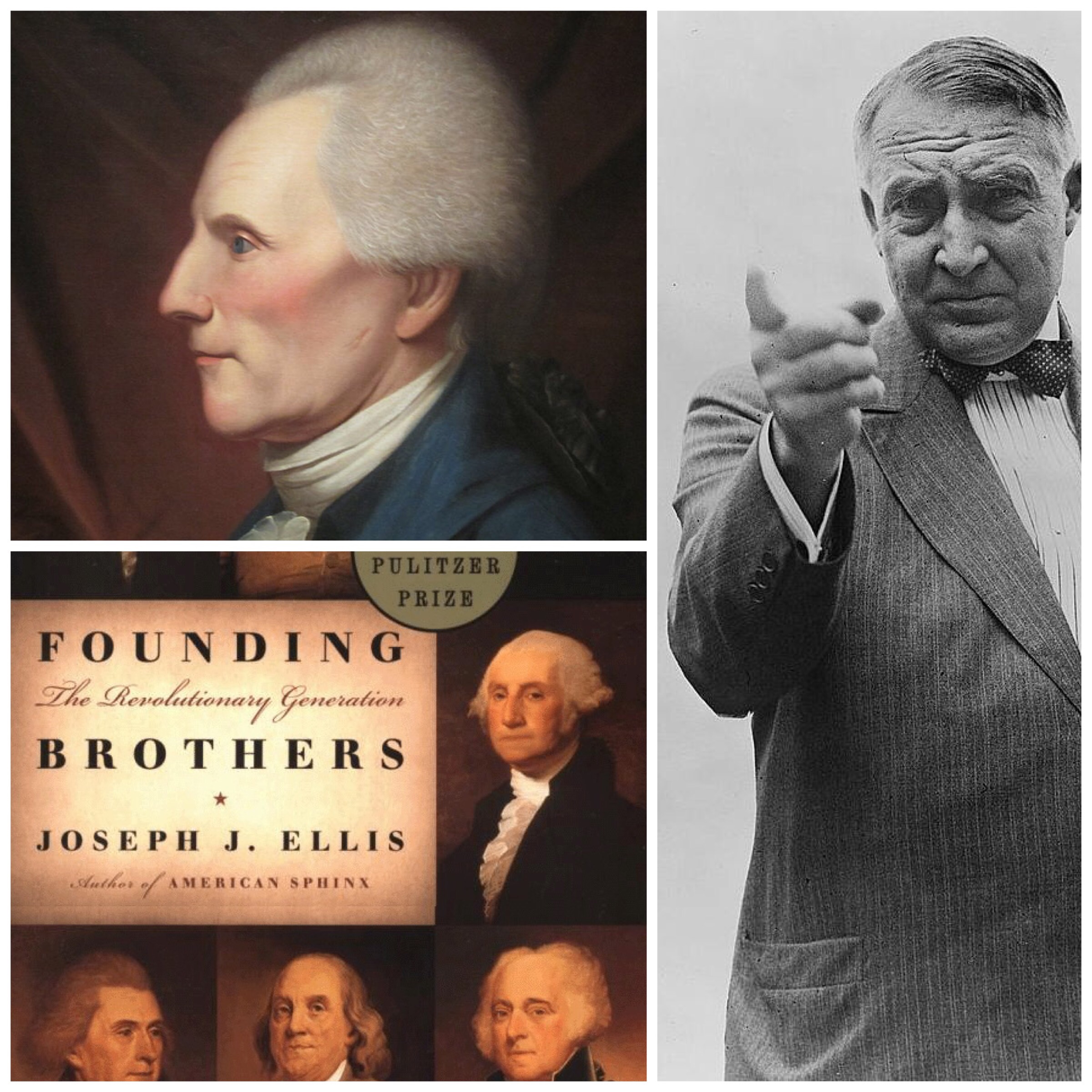
On June 7, 1776, Richard Henry Lee presented the “Lee Resolution” to the Continental Congress. The motion was seconded by John Adams, but was tabled for several weeks. The motion was finally passed on July 2, 1776.
During the 1916 Republican National Convention (June 7 – 10), Senator Warren G. Harding used the phrase “Founding Fathers” in his keynote address .; . . and would go on using it in speeches thereafter. It caught on, referring to folks such as Thomas Jefferson and, yes, Richard Henry Lee, who orchestrated the American colonies’ break from England’s imperial monarchy.

Primitively the love of property is gratified only by possession of food and shelter, and, presently, of clothing; but afterwards it is gratified by possession of the weapons and tools which aid in obtaining these, then by possession of the raw materials that serve for making weapons and tools and for ether purposes, then by possession of the coin which purchases them as well as things at large, then by possession of promises to pay exchangeable for the coin, then by a lien on a banker, registered in a pass-book. That is, there comes to be pleasure in an ownership more and more abstract and more remote from material satisfactions.
Herbert Spencer, The Principles of Ethics; Part IV: Justice, Chapter IV: “The Sentiment of Justice” (Williams & Norgate, 1891)

The day they discover yoga mats are carcinogenic will be the happiest day of my life.
Tim Minchin, from the monologue preface to his song “The Fence”
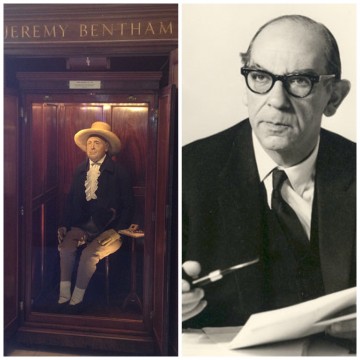
June 6 marks major life events of two eminent British philosophers, Jeremy Bentham’s death (1832) and Isaiah Berlin’s birth (1909).
Bentham was known as a “philosophical radical” and a major influence on the British utilitarian tradition. He authored numerous books, including Defence of Usury (1787) and An Introduction to the Principles of Morals and Legislation (1789).
Berlin was best known for several dozen brilliant essays, including the famous, much-quoted “Two Concepts of Liberty.”

Moderate strength is shown in violence, supreme strength is shown in levity.
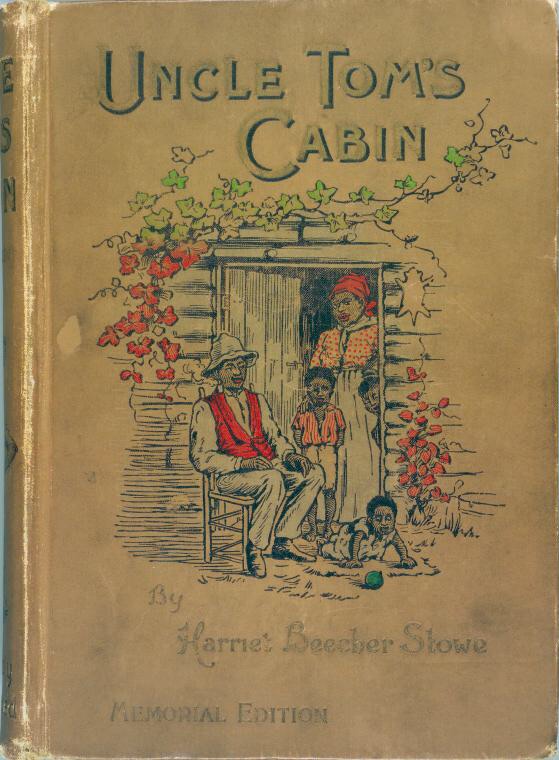
On June 5, 1851, Harriet Beecher Stowe’s anti-slavery serial, Uncle Tom’s Cabin, or Life Among the Lowly, started its ten-month run in the National Era abolitionist newspaper.

Click on over to Townhall for this weekend’s latest outrage against citizen-controlled government. By legislators and other insiders, of course.
Then come back here for some source material:
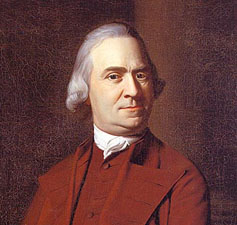
It is not unfrequent to hear men declaim loudly upon liberty, who, if we may judge by the whole tenor of their actions, mean nothing else by it but their own liberty, — to oppress without control or the restraint of laws all who are poorer or weaker than themselves.
Samuel Adams, from The Advertiser (1748)

June 4 marks Finland’s Armed Forces Day, Tonga’s Emancipation [or Independence] Day (commemorating the abolition of serfdom in Tonga by King George Tupou in 1862, and the independence of Tonga from the British protectorate in 1970), Estonia’s Flag Day, and the international Tiananmen Square Protests of 1989 Memorial Day.