Categories
Today

Rights

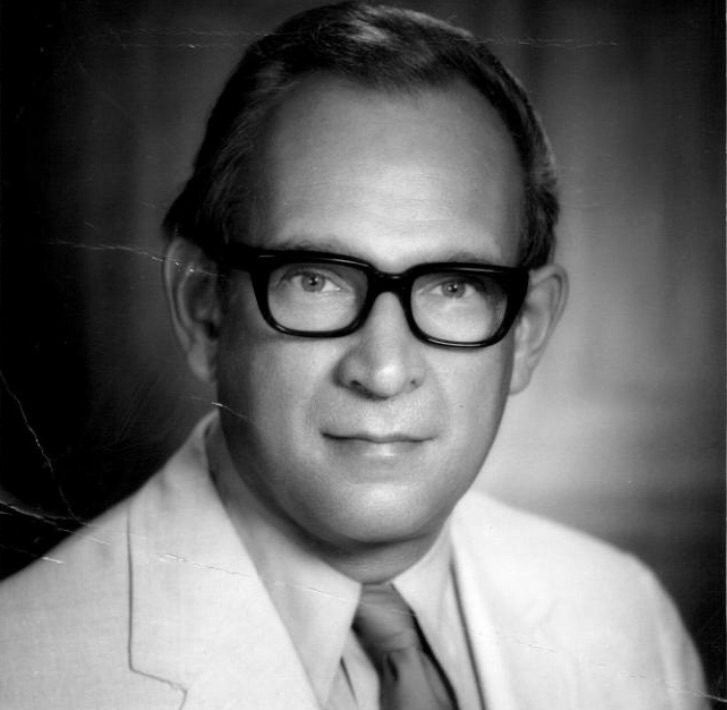
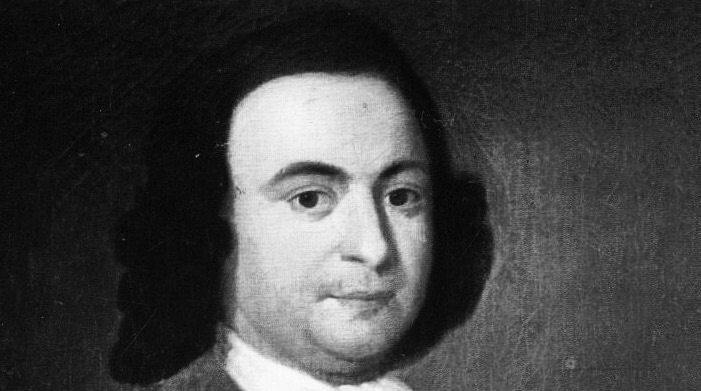
In 1776, on June 12, the Fifth Virginia Convention at Williamsburg, Virginia, unanimously adopted a Declaration of Rights, several weeks prior to the adoption of the state’s constitution. George Mason (pictured above), who drafted the document, stated clearly in the preamble that rights must be “the basis and foundation of Government.”

The first four planks run as follows:

I. That all men are by nature equally free and independent, and have certain inherent rights, of which, when they enter into a state of society, they cannot, by any compact, deprive or divest their posterity; namely, the enjoyment of life and liberty, with the means of acquiring and possessing property, and pursuing and obtaining happiness and safety.

II. That all power is vested in, and consequently derived from, the people; that magistrates are their trustees and servants, and at all times amenable to them.

III. That government is, or ought to be, instituted for the common benefit, protection, and security of the people, nation or community; of all the various modes and forms of government that is best, which is capable of producing the greatest degree of happiness and safety and is most effectually secured against the danger of maladministration; and that, whenever any government shall be found inadequate or contrary to these purposes, a majority of the community hath an indubitable, unalienable, and indefeasible right to reform, alter or abolish it, in such manner as shall be judged most conducive to the public weal.

IV. That no man, or set of men, are entitled to exclusive or separate emoluments or privileges from the community, but in consideration of public services; which, not being descendible, neither ought the offices of magistrate, legislator, or judge be hereditary.


Categories
links

Townhall: They United Against Insiders and Won

“The requirement being proposed by the Constitutional Revision and Review Committee,” M. Dane Waters, a scholar of initiative and referendum processes, testified, “would make Ohio a lonely outlier both in this country and around the world.” And he wasn’t alone to oppose the committee appointed by the Ohio Legislature. In written testimony, for example, Pete Sepp, president of the National Taxpayers Union expressed “great concern” that “the Commission was considering a recommendation that would effectively create second-class ballot measure rights for the people of Ohio.”

This weekend at Townhall.com, Paul Jacob tells the tale of a successful, trans-partisan defense of initiative and referendum rights in the Buckeye State. Click on over. Learn why former State Representative John Adams quipped, “My past service in the legislature has taught me many things — one of those would be not to trust and definitely to verify.”

Footnote in the article:

* The tabling of the recommendation effectively killed it, because funding for the OCMC runs out at the end of this month and a House bill to fund state government contains no new appropriation for the commission established by the Ohio General Assembly.

Outbound Links:

Categories
Thought

Marianne Williamson

Our deepest fear is not that we are inadequate. Our deepest fear is that we are powerful beyond measure. It is our light, not our darkness that most frightens us. We ask ourselves, Who am I to be brilliant, gorgeous, talented, fabulous? Actually, who are you not to be? You are a child of God. Your playing small does not serve the world. There is nothing enlightened about shrinking so that other people won’t feel insecure around you. We are all meant to shine, as children do. We were born to make manifest the glory of God that is within us. It’s not just in some of us; it’s in everyone. And as we let our own light shine, we unconsciously give other people permission to do the same. As we are liberated from our own fear, our presence automatically liberates others.


Marianne Williamson, A Return to Love: Reflections on the Principles of “A Course in Miracles,” Ch. 7, Section 3 (1992), p. 190

Categories
Today

Declarations

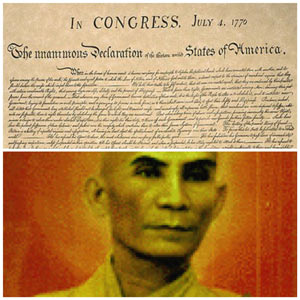
On June 11, 1776, the Continental Congress appointed John Adams, Benjamin Franklin, Thomas Jefferson, Robert R. Livingston, and Roger Sherman to draft a declaration of independence from Great Britain.

In 1963, Thich Quang Duc, a Buddhist monk, doused himself with gasoline and set himself aflame in a busy Saigon intersection as a protest against South Vietnam’s lack of religious freedom.

Categories
video

Voter Rights Advocates Block Proposed Ohio ‘Reform’

An outpouring of grassroots, bipartisan opposition to a pending recommendation by the Ohio Constitutional Modernization Commission caused the commission to table that proposed recommendation concerning citizen-initiated ballot measures — in what may be the last meeting of the commission.

The recommendation would have created numerous double standards between constitutional amendments proposed by citizens and those proposed by legislators — all advantaging legislators and disadvantaging citizens. The most outrageous provision would have required citizen-initiated amendments to pass with a supermajority of at least 55 percent, while the very same amendment proposed by the legislature would only need 50 percent plus one for passage.

The full hearing can be viewed here. A synopsized version, here:

After Paul Jacob, president of Citizens in Charge, testified, a motion was made to table the recommendation. That motion passed with only a single dissenting vote, effectively ending the threat to the initiative rights of Ohioans.

Paul Jacob — president of Citizens in Charge . . . followed by the Commission’s vote

Here are the citizen leaders and groups that came to Columbus to testify:

Jack Boyle — a citizen leader in Solon, Ohio

Dane Waters — chairman of the Initiative & Referendum Institute at the University of Southern California

Ron Alban — a citizen leader in Kettering, Ohio

Corey Roscoe — the Ohio state director of the Humane Society of the U.S.

Robert Ryan — a Blue Ash, Ohio, councilman and head of the Ohio Patient Network, a medical marijuana advocacy group

John Adams — former State Representative
“My past service in the legislature has taught me many things – one of those would be not to trust and definitely to verify.”

Greg Pace — co-founder of Columbus Community Bill of Rights

Categories
Thought

John Hospers

If each human being is to have liberty, he cannot also have the liberty to deprive others of their liberty.


John Hospers, Libertarianism: A Philosophy for Tomorrow

Categories
Today

Nat Hentoff

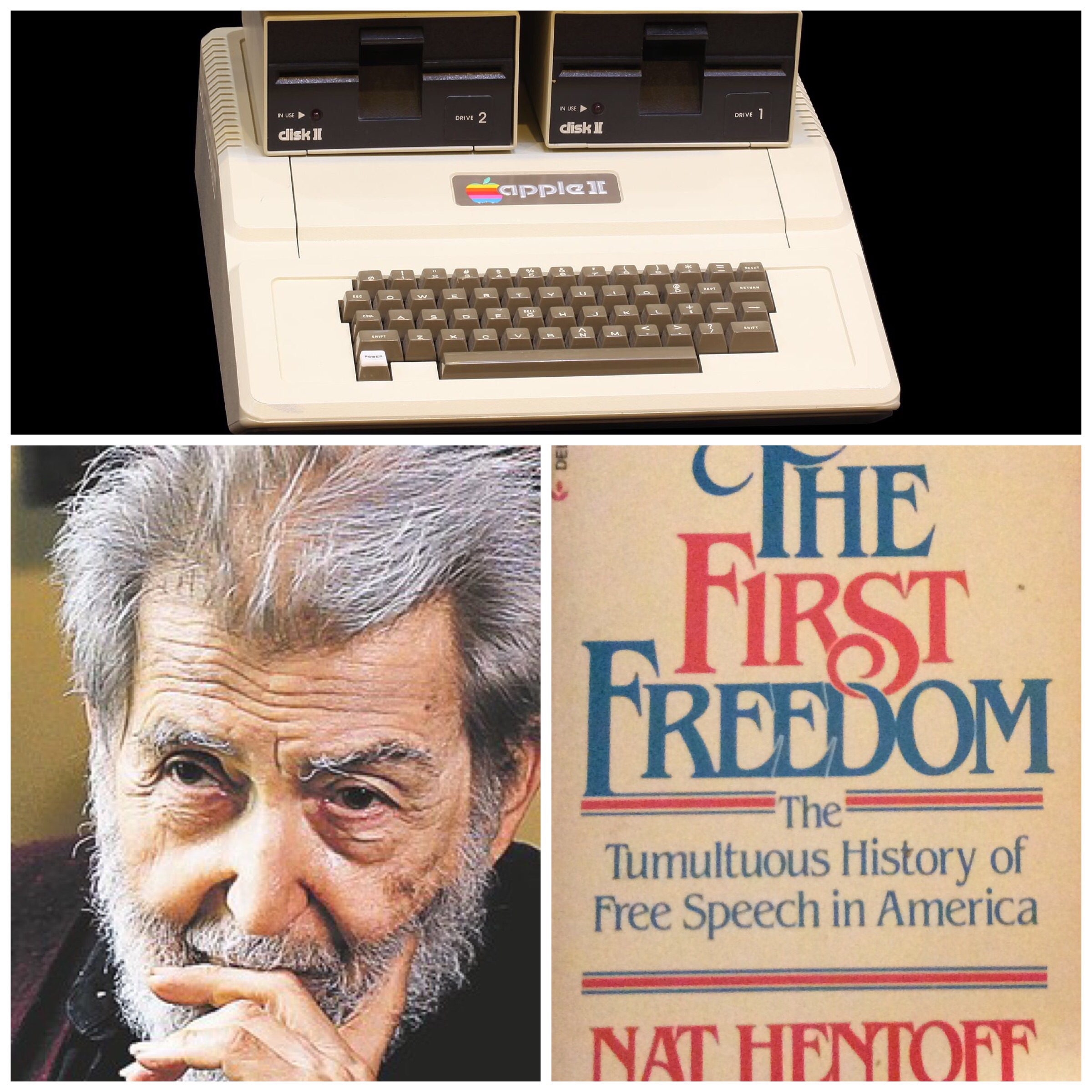
Apple shipped the first Apple II computer on June 10, 1977.

Born on this day: historian, jazz critic and civil libertarian Nat Hentoff (1925); children’s writer Maurice Sendak (1929); scientist and pioneer of “sociobiology,” E. O. Wilson (1929).

Categories
Today

John Hospers

Roman Emperor Nero committed suicide on this day in June, 68 AD, ending Rome’s Julio-Claudian Dynasty, later written about with verve by Suetonius and Robert Graves.

Also on June 9, James Oglethorpe received a charter from the British crown to start the Georgia colony (1732); William Jennings Bryan resigned his position as Secretary of State under Woodrow Wilson, disgusted over the handling of the sinking of the Lusitania (1915); philosopher John Hospers — who would go on to run as a Libertarian candidate for the U.S. presidency in 1972 — was born in 1918 on the ninth of June.

Categories
Thought

Nat Hentoff

Those who created this country chose freedom. With all of its dangers. And do you know the riskiest part of that choice they made? They actually believed that we could be trusted to make up our own minds in the whirl of differing ideas. That we could be trusted to remain free, even when there were very, very seductive voices – taking advantage of our freedom of speech – who were trying to turn this country into the kind of place where the government could tell you what you can and cannot do.


Nat Hentoff, The Day They Came to Arrest the Book (1982)

Categories
Thought

Jean-Baptiste Say

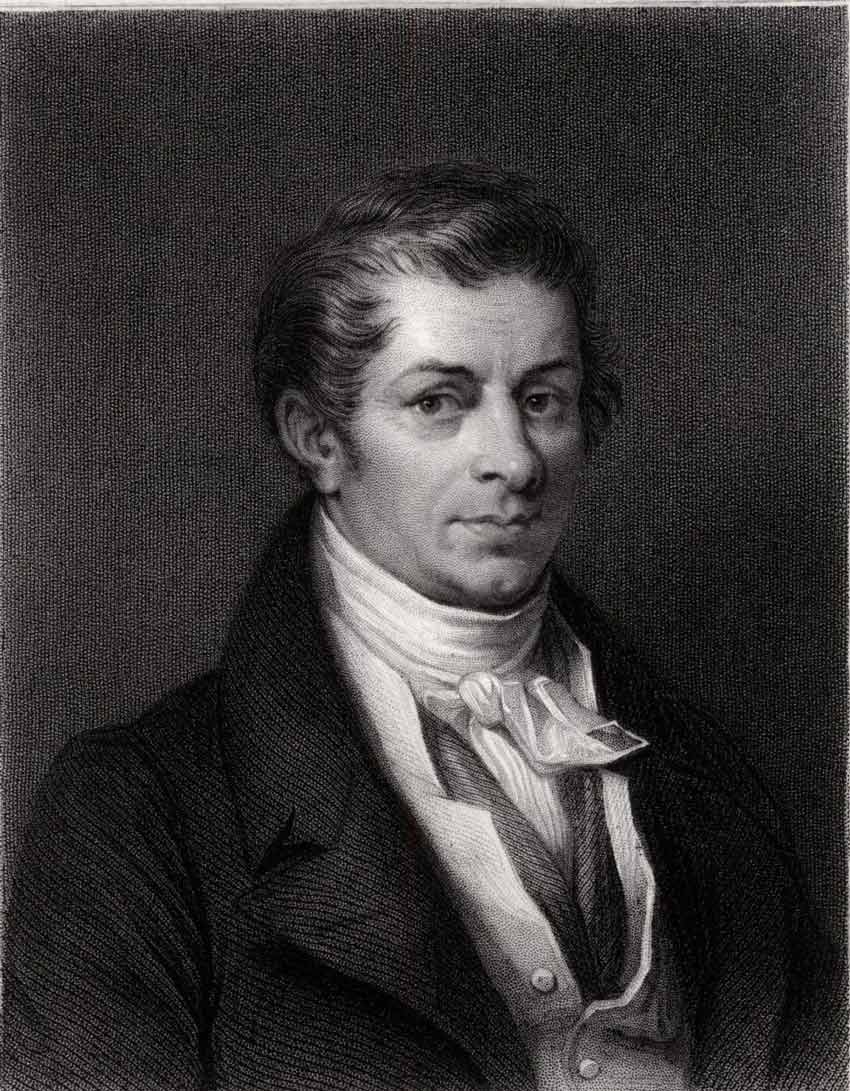
The multiplication of a product commonly reduces its price: that reduction extends its consumption; and so its production, though become more rapid, nevertheless gives employment to more hands than before. It is beyond question that the manufacture of cotton now occupies more hands in England, France, and Germany than it did before the introduction of the machinery that has abridged and perfected this branch of manufacture in so remarkable a degree.