Categories
Today

Estonian Independence

On August 20, 1991, Estonia issued a decision to re-establish independence on the basis of historical continuity of the Baltic country’s pre-World War II statehood, sloughing off Soviet rule since 1940.

On August 20, 1935, Ron Paul was born. Paul is now famous for his heroic congressional record, his several presidential campaigns, and for books such as End the Fed and Liberty Defined.

Categories
Thought

James Mill

A nation is poor or is rich according as the quantity of property which she annually creates, in proportion to the number of her people, is great or is small. Now commerce tends to increase this annual produce by occasioning a more productive application and distribution both of the land and of the labour of the country.

Categories
video

Racialized Collectivists on the March

After viewing Vice’s excellent, revelatory coverage of the so-called “Unite the Right” rally, it might help putting the current culture war and its Charlottesville battlefield in perspective courtesy of Carl “Sargon of Akkad” Benjamin:

https://youtu.be/gwSYhTWk6E8

Categories
Thought

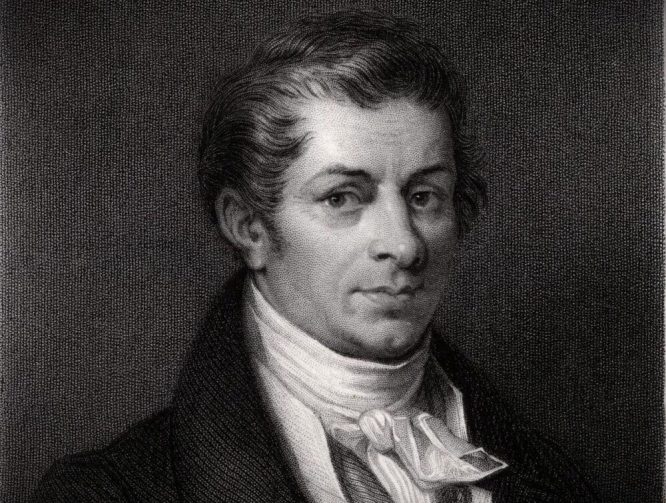
Jean-Baptiste Say

The love of domination never attains more than a factitious elevation, that is sure to make enemies of all its neighbours.

Categories
Today

Patriotism and Protest and Ousting

On August 19, 1919, Afghanistan gained full independence from Great Britain. The British attempts to maintain an imperial presence in this region elicited an earlier, infamous essay in protest by English sociologist and anti-imperialist Herbert Spencer (pictured), “Patriotism” (Facts and Comments, 1902).

On this day in 1991, Soviet President Mikhail Gorbachev was placed under house arrest, a crucial event leading to the dissolution of the Soviet Union.

In 1999, a mass rally of Serbians demanded the resignation of Slobodon Milosevic.

Categories
Today

Free to Choose

On August 18, 1920, the Nineteenth Amendment to the United States Constitution was ratified, guaranteeing women’s suffrage.

Eighty-eight years later, Pakistan’s President, Pervez Musharaf resigned under threat of impeachment.

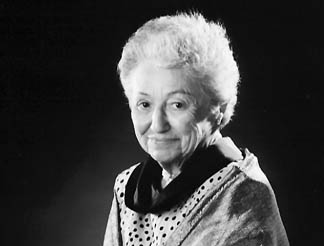
The next year, Rose Director Friedman, economist, wife of economist Milton Friedman, sister of economist Aaron Director and mother of economist David D. Friedman, died. With her husband she had written one of the most popular pro-liberty books of our time, Free to Choose. She had been born in late December, 1910, in Staryi Chortoryisk, in Ukraine, to the Director family, prominent Jewish residents.

With her husband she co-authored their memoirs, Milton and Rose D. Friedman, Two Lucky People, which appeared in 1998. Together they founded the Milton and Rose D. Friedman Foundation, with the aim of promoting the use of school vouchers and freedom of choice in education. She also helped produce the PBS television series, Free to Choose, and assisted her husband in writing his 1962 political philosophy book Capitalism and Freedom.

Categories
Thought

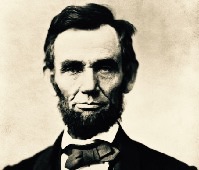
Abraham Lincoln

Those who deny freedom to others deserve it not for themselves.

Categories
Today

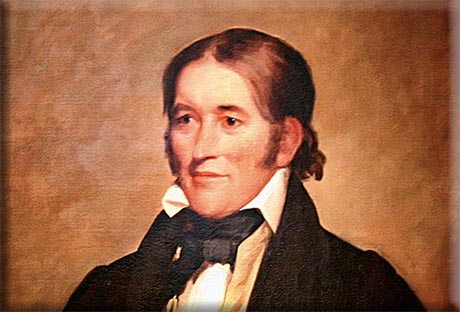
David Crockett

On August 17, 1786, American backwoods hero and politician, David Crockett, was born. Famous as a politician, he brought personal principle and honor and a “common sense” approach in representing Tennessee in the U.S. House of Representatives. He later served in the Texas Revolution, dying at the Battle of the Alamo.

Crockett grew up in East Tennessee, where he gained a reputation for hunting and storytelling, which helped make him a legend in his own time. After being made a colonel in the militia of Lawrence County, Tennessee, he was elected to the Tennessee state legislature in 1821.

In 1825, Crockett was elected to the U.S. Congress, where he vehemently opposed many of the policies of President Andrew Jackson, most notably the Indian Removal Act.

Categories
Thought

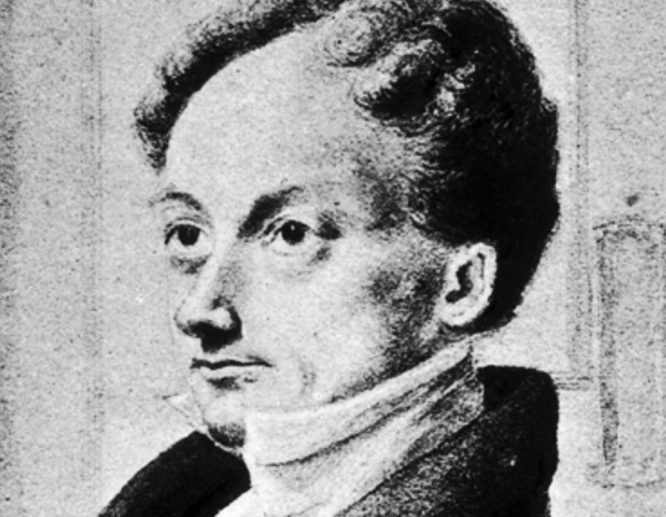
Jean-Baptiste Say

The command of a large sum is a dangerous temptation to a national administration. Though accumulated at their expense, the people rarely, if ever profit by it: yet in point of fact, all value, and consequently, all wealth, originates with the people.

Categories
Thought

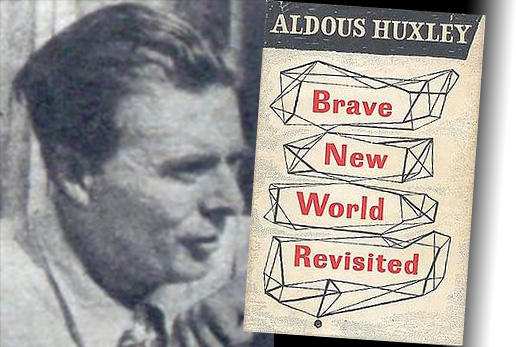
Aldous Huxley

The surest way to work up a crusade in favor of some good cause is to promise people they will have a chance of maltreating someone. To be able to destroy with good conscience, to be able to behave badly and call your bad behavior “righteous indignation” — this is the height of psychological luxury, the most delicious of moral treats.

Attributed to Aldous Huxley by John H. George in Be Reasonable (1994), but definitely misattributed to Huxley’s first novel, Crome Yellow (1922). See actual source.