On October 15, 1894, Alfred Dreyfus (1859 – 1935) was arrested for spying: The Dreyfus Affair began.
Categories
The Dreyfus Affair
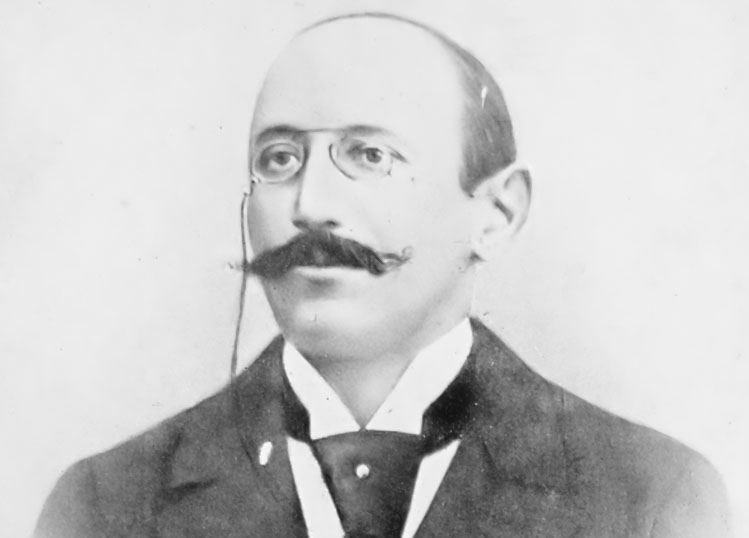
On October 15, 1894, Alfred Dreyfus (1859 – 1935) was arrested for spying: The Dreyfus Affair began.
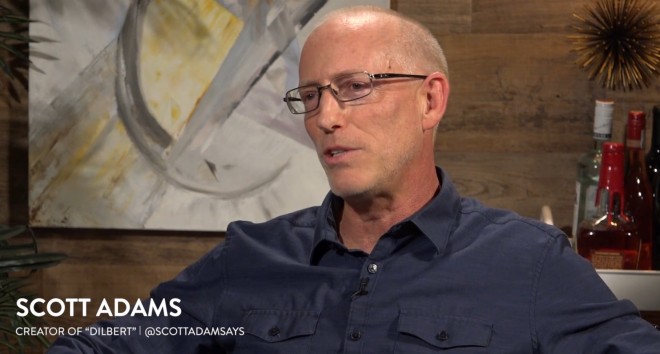
Scott Adams, of Dilbert fame, has a regular Periscope broadcast worth watching. Here are two recent episodes on YouTube (odd formatting; the Periscope versions take up a more of the screen). The subject is President Trump, and Adams is most interested in interpreting Donald Trump as a master persuader:
https://youtu.be/X5602LoXyhY?t=1m15s
https://youtu.be/2cZqlWuz3YI?t=2m9s
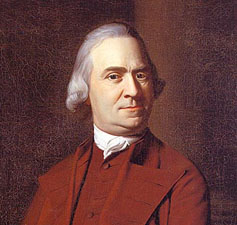
Samuel Adams, essay, written under the pseudonym “Candidus,” in The Boston Gazette (October 14, 1771).
The truth is, all might be free if they valued freedom, and defended it as they ought.
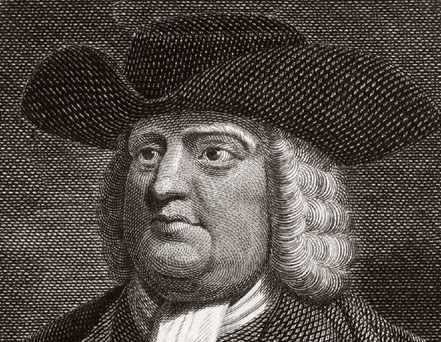
On October 14, 1644, Willliam Penn was born. An English real estate entrepreneur, philosopher, and founder of the Province of Pennsylvania (the English North American colony and future Commonwealth of Pennsylvania), he was an early champion of democracy and religious freedom, notable for his good relations and successful treaties with the Lenape Indians. Penn died in 1718.
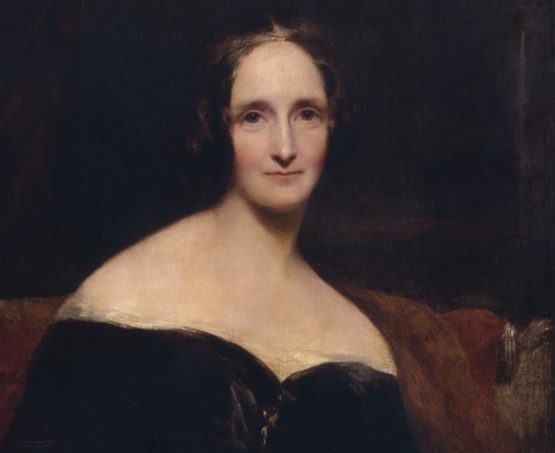
Invention, it must be humbly admitted, does not consist in creating out of void, but out of chaos; the materials must, in the first place, be afforded: it can give form to dark, shapeless substances, but cannot bring into being the substance itself. . . . Invention consists in the capacity of seizing on the capabilities of a subject, and in the power of moulding and fashioning ideas suggested to it.
Mary Wollstonecraft Shelley, Frankenstein; or, The Modern Prometheus (1818), Introduction to the 1831 edition
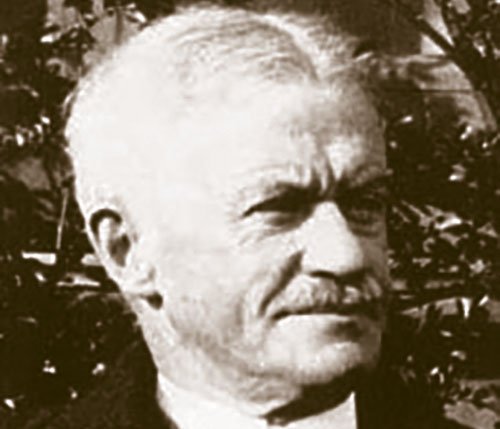
On October 13, 1870, American social critic and education theorist Albert Jay Nock was born. Nock was the author of a number of books, including Jefferson, the Man and Our Enemy, The State, but was probably most famous for his intellectual autobiography, Memoirs of a Superfluous Man, which was widely read and admired amongst conservatives in the 1950s and ’60s.
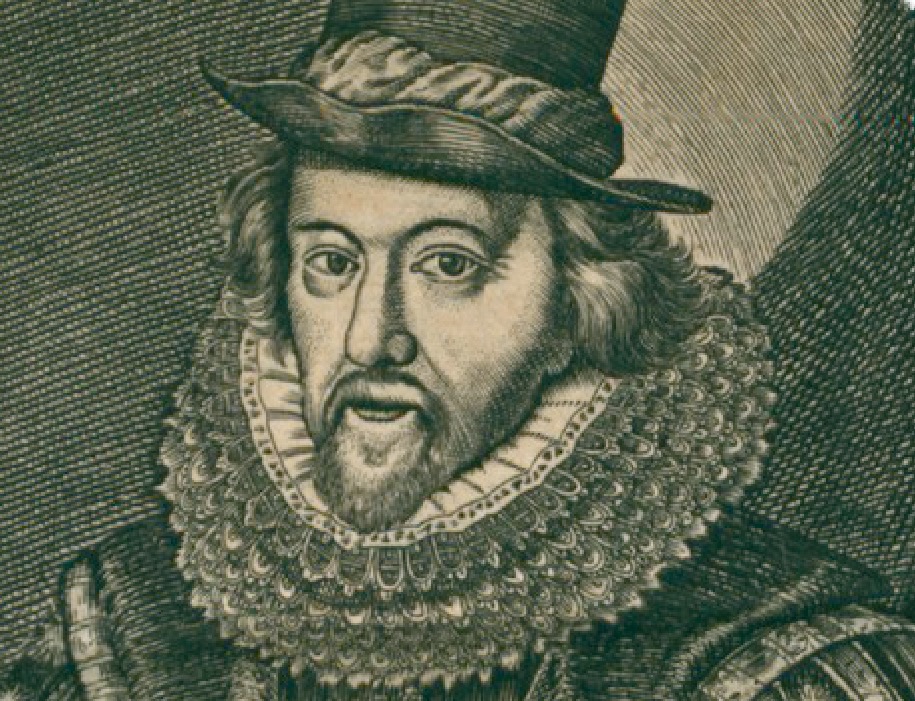
What is truth? said jesting Pilate, and would not stay for an answer. Certainly there be, that delight in giddiness, and count it a bondage to fix a belief; affecting free-will in thinking, as well as in acting. And though the sects of philosophers of that kind be gone, yet there remain certain discoursing wits, which are of the same veins, though there be not so much blood in them, as was in those of the ancients. But it is not only the difficulty and labor, which men take in finding out of truth, nor again, that when it is found, it imposeth upon men’s thoughts, that doth bring lies in favor; but a natural, though corrupt love, of the lie itself.
Francis Bacon, “Of Truth,” The Essays or Counsels, Civil and Moral (1625, third and final edition)
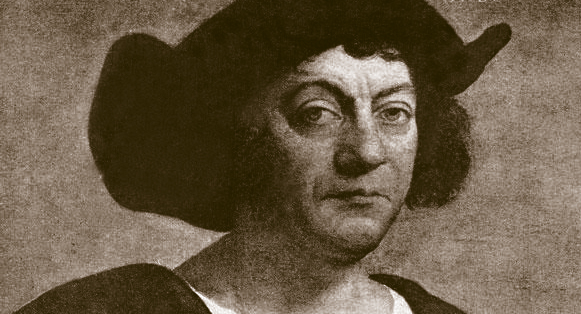
On October 12, 1492, Christopher Columbus landed in the Bahamas, thinking he had reached India.
Exactly two hundred years later, a letter from Massachusetts Governor William Phips ended the Salem Witch Trials.
On this date in 1892, the Pledge of Allegiance was first recited by students in many U.S. public schools, as part of a celebration marking the 400th anniversary of Columbus’s voyage.
The Pledge had been composed that year by Francis Bellamy, a Christian Socialist minister, and was first published in Youth’s Companion magazine, the issue dated September 8, 1892. The recital was accompanied with a salute to the flag known as the Bellamy salute. During World War II, the salute was replaced with a hand-over-heart gesture because the original form (described in detail by Bellamy) involved stretching the arm out towards the flag in a manner that resembled the later Nazi salute. The original form of the Pledge was somewhat less involved than later versions:
I pledge allegiance to my Flag and the republic for which it stands, one nation indivisible, with liberty and justice for all.
In October an editorial addition occurred, the word “to” prefixing “the republic.”
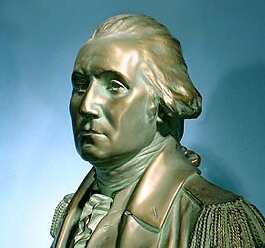
October 11, 1890, marks the founding of the Daughters of the American Revolution.
On the same date in 1976, President Gerald R. Ford approved a congressional joint resolution Public Law 94-479 to appoint, posthumously, George Washington to the grade of General of the Armies of the United States, as part of the bicentennial celebrations.
John J. Pershing is the only other American to attain this high title, and the only one to achieve it while alive.
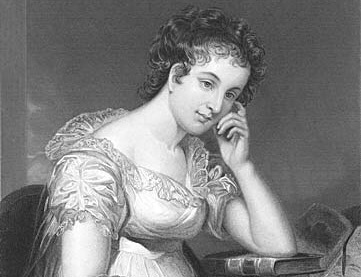
Surely it is much more generous to forgive and remember, than to forgive and forget.
Maria Edgeworth, “An Essay on the Noble Science of Self-Justification” in Tales and Novels, vol. 1, p. 213.