On January 10, 1776, Thomas Paine published Common Sense.
Categories
Tom Paine’s Pamphlet
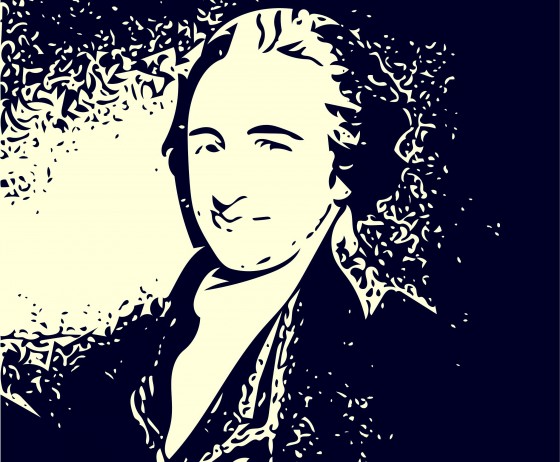
On January 10, 1776, Thomas Paine published Common Sense.
Is there really someone who, searching for a group of wise and sensitive persons to regulate him for his own good, would choose that group of people that constitute the membership of both houses of Congress?
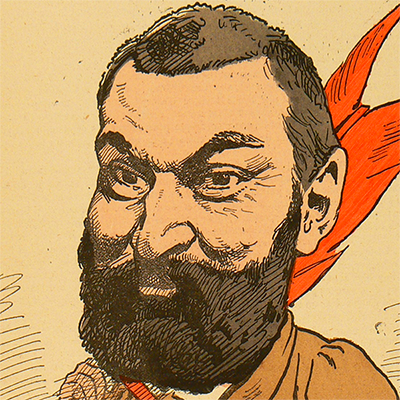
If you try to lessen or restrict competition for your private benefit, you are not denying the truth of an economic law; you are only trying to turn it to your own advantage.
Yves Guyot, The Principles of Social Economy (1892).
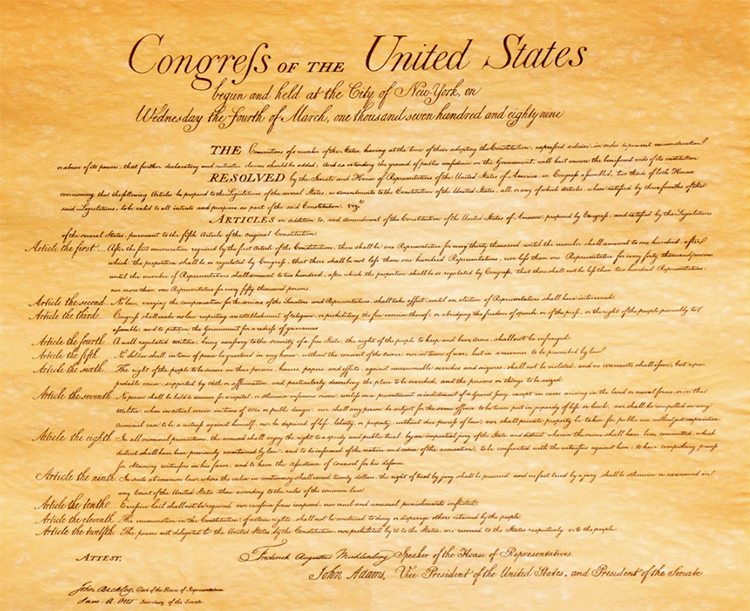
On January 9, 1788, Connecticut became the fifth state to be admitted to the United States under the new Constitution. Connecticut was one of the first nine states of the original union, under the Articles of Confederation, to accept the Constitution, and thus officially ratify it. All 13 original states had ratified that new compact, officially, by May 29, 1790. The first state to be added to the original 13 was Vermont, in 1791.

We must make our election between economy and liberty, or profusion and servitude. If we run into such debts, as that we must be taxed in our meat and in our drink, in our necessaries and our comforts, in our labors and our amusements, for our callings and our creeds, as the people of England are, our people, like them, must come to labor sixteen hours in the twenty-four, give the earnings of fifteen of these to the government for their debts and daily expenses; and the sixteenth being insufficient to afford us bread, we must live, as they now do, on oatmeal and potatoes; have no time to think, no means of calling the mismanagers to account; but be glad to obtain subsistence by hiring ourselves to rivet their chains on the necks of our fellow-sufferers. Our landholders, too, like theirs, retaining indeed the title and stewardship of estates called theirs, but held really in trust for the treasury, must wander, like theirs, in foreign countries, and be contented with penury, obscurity, exile, and the glory of the nation. This example reads to us the salutary lesson, that private fortunes are destroyed by public as well as by private extravagance. And this is the tendency of all human governments. A departure from principle in one instance becomes a precedent for a second; that second for a third; and so on, till the bulk of the society is reduced to be mere automatons of misery, and to have no sensibilities left but for sinning and suffering. Then begins, indeed, the bellum omnium in omnia, which some philosophers observing to be so general in this world, have mistaken it for the natural, instead of the abusive state of man. And the fore horse of this frightful team is public debt. Taxation follows that, and in its train wretchedness and oppression.
Thomas Jefferson, Letter to Samuel Kercheval (June 12, 1816). The Latin phrase bellum omnium in omnia means “war of all things against all things,” and is Jefferson’s play upon bellum omnium contra omnes, a Latin phrase meaning “the war of all against all,” which is the formulation that Thomas Hobbes gave to human existence in the state of nature in De Cive (1642) and Leviathan (1651). Jefferson is certainly tipping his hat to his friend C.-F. Volney’s concept of this sort of war carried on within modern states, as discussed in The Ruins (1802), the bulk of which Jefferson himself translated from the French.
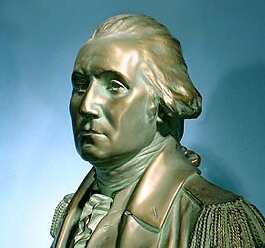
On January 8, 1790, George Washington delivered the first State of the Union address in New York, New York.
In 1835, on this date, the United States federal government achieved a zero debt for the first and only time.
In 1867, African-American men were first allowed to vote in Washington, D.C.

Oh, the Nanny State sure changes some folks’ beliefs . . . about what they themselves are capable of doing.
What no one is capable of doing is altering the very nature of reality. So, for at most the slightest alteration of your grasp on reality, click on over to Townhall. Then come back here for the full context.
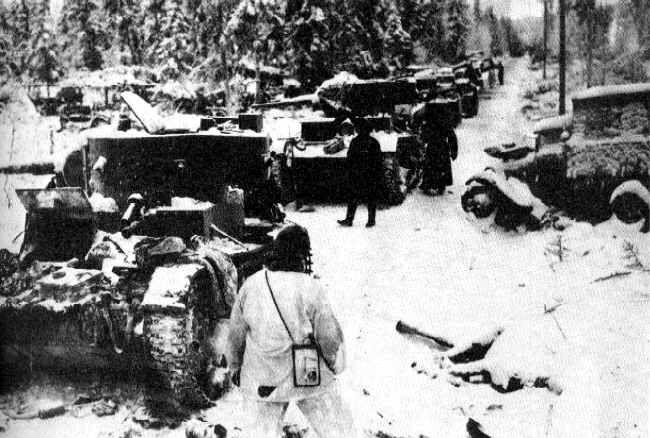
On January 7, 1940, the Finnish 9th Division completely destroyed the much-larger Soviet forces on the Raate-Suomussalmi Road, in a crucial battle during Finland’s Winter War.

Ben Shapiro on the hilarious Trump vs. Bannon twitterstorm:
Ben Shapiro interviewed by Dave Rubin:
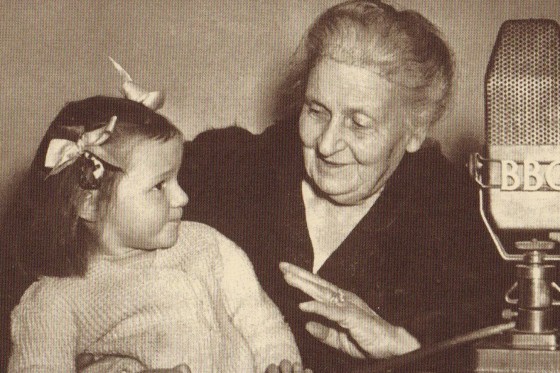
On January 6, 1907, Maria Montessori opened her first school and daycare center for working class children in Rome, Italy.
In 1912 on this date, New Mexico became the 47th state of America’s United States, and in 1941, President Franklin Delano Roosevelt delivered his “Four Freedoms” State of the Union speech, emphasizing vague “freedoms” that enabled government to usurp definable freedoms.