Categories
Today

Wartime

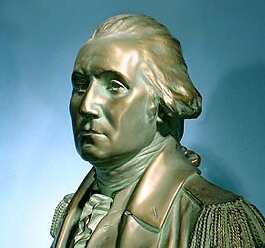
On March 17, 1780, General George Washington granted the Continental Army a holiday “as an act of solidarity with the Irish in their fight for independence.”

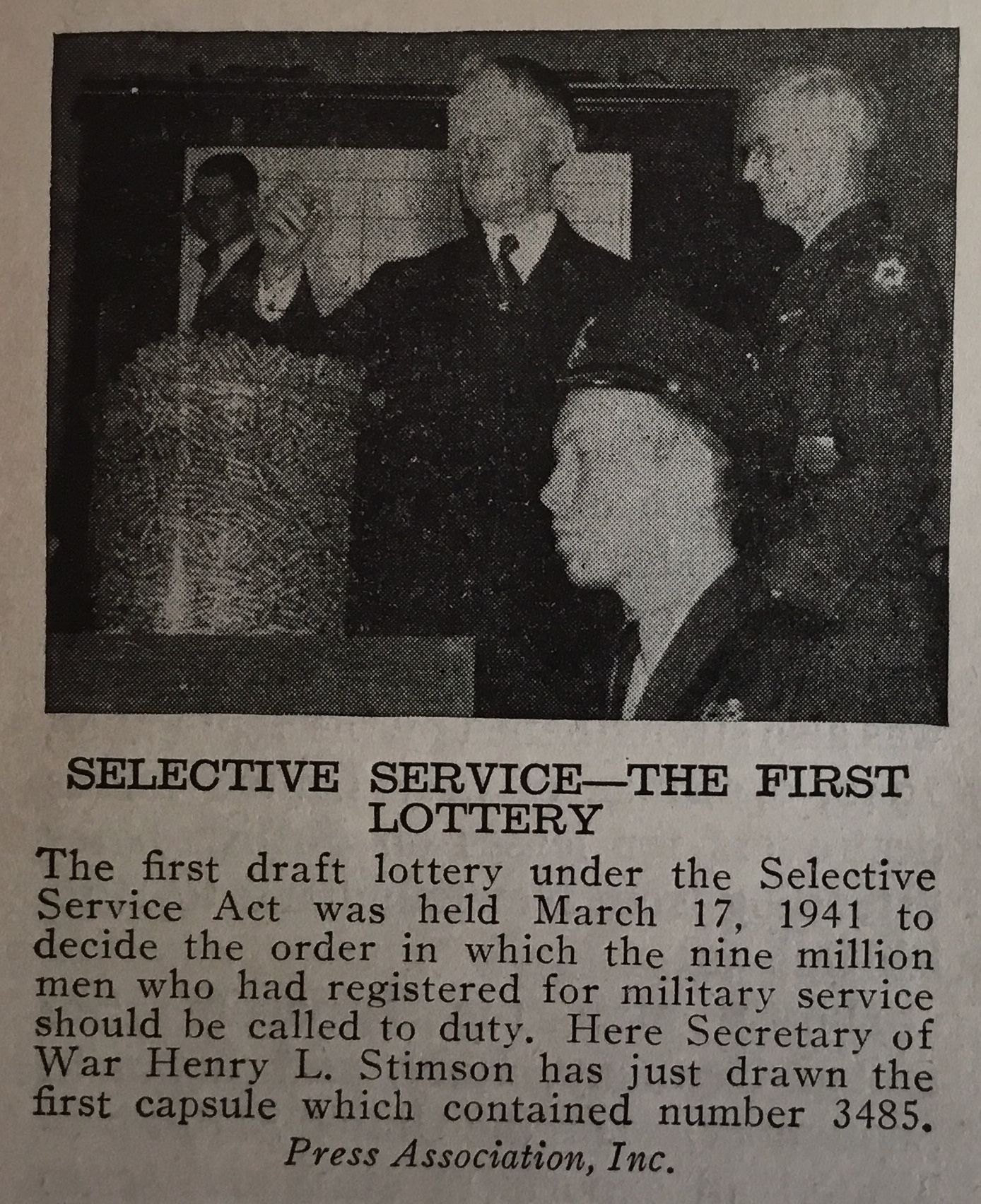
On March 17, 1941, the U.S. Selective Service held its first lottery for the draft, in preparation for World War II. (Image, above, from the Morning Oregonian, from that year.)

Categories
Thought

Herbert Spencer

A fundamental error pervading the thinking of nearly all parties, political and social, is that evils admit of immediate and radical remedies. ‘If you will but do this, the mischief will be prevented.’ ‘Adopt my plan and the suffering will disappear.’ ‘The corruption will unquestionably be cured by enforcing this measure.’ Everywhere one meets with beliefs, expressed or implied, of these kinds. They are all ill-founded. It is possible to remove causes which intensify the evils; it is possible to change the evils from one form into another; and it is possible, and very common, to exacerbate the evils by the efforts made to prevent them; but anything like immediate cure is impossible.

Herbert Spencer, “From Freedom to Bondage,” Introduction to Thomas Mackay, ed., A Plea for Liberty (1891).
Categories
Today

Madison and Freeing the Slaves

On March 16, 1995, the state of Mississippi formally ratified the Thirteenth Amendment, becoming the last state of the Union to approve the abolition of slavery. The Thirteenth Amendment had been officially ratified in 1865, one hundred thirty years earlier.

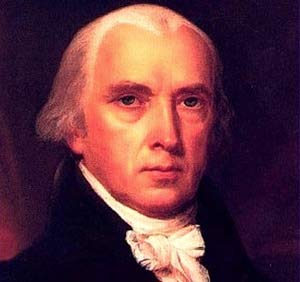
James Madison, fourth President of the United States and “Father of the Constitution,” was born on this date in 1751.

Categories
Thought

Gene Wolfe

Some gain there must be, so this I decree: each time you gain your heart’s desire, your heart will reach for something higher.

Categories
Today

Two Men, Two Republics

March 15 was “the Ides of March” in the Roman calendar. On that date in 44 BC, Julius Caesar, Dictator of the Roman Republic, was stabbed to death by a handful of prominent senators.

On the same date in 1783, General George Washington eloquently entreated his officers not to support the Newburgh Conspiracy. His plea was successful and the threatened coup d’état never took place.

Categories
Thought

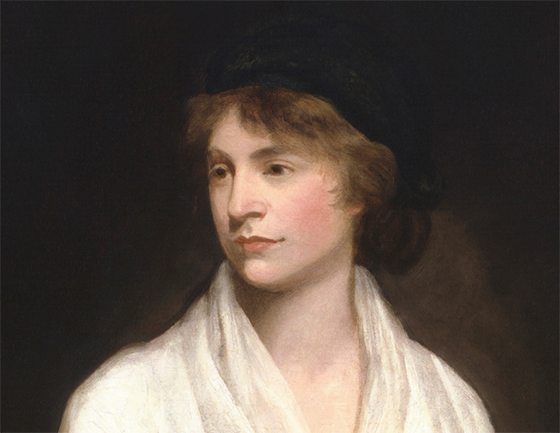
Mary Wollstonecraft

Nature having made men unequal, by giving stronger bodily and mental powers to one than to another, the end of government ought to be, to destroy this inequality by protecting the weak. Instead of which, it has always leaned to the opposite side, wearing itself out by disregarding the first principle of its organization.

Categories
Today

Gold

On March 14, 1900, the Gold Standard Act was ratified, ending the long practice of bimetallism by placing the United States Treasury — and banking and currency — on the gold standard.

Categories
Today

1862

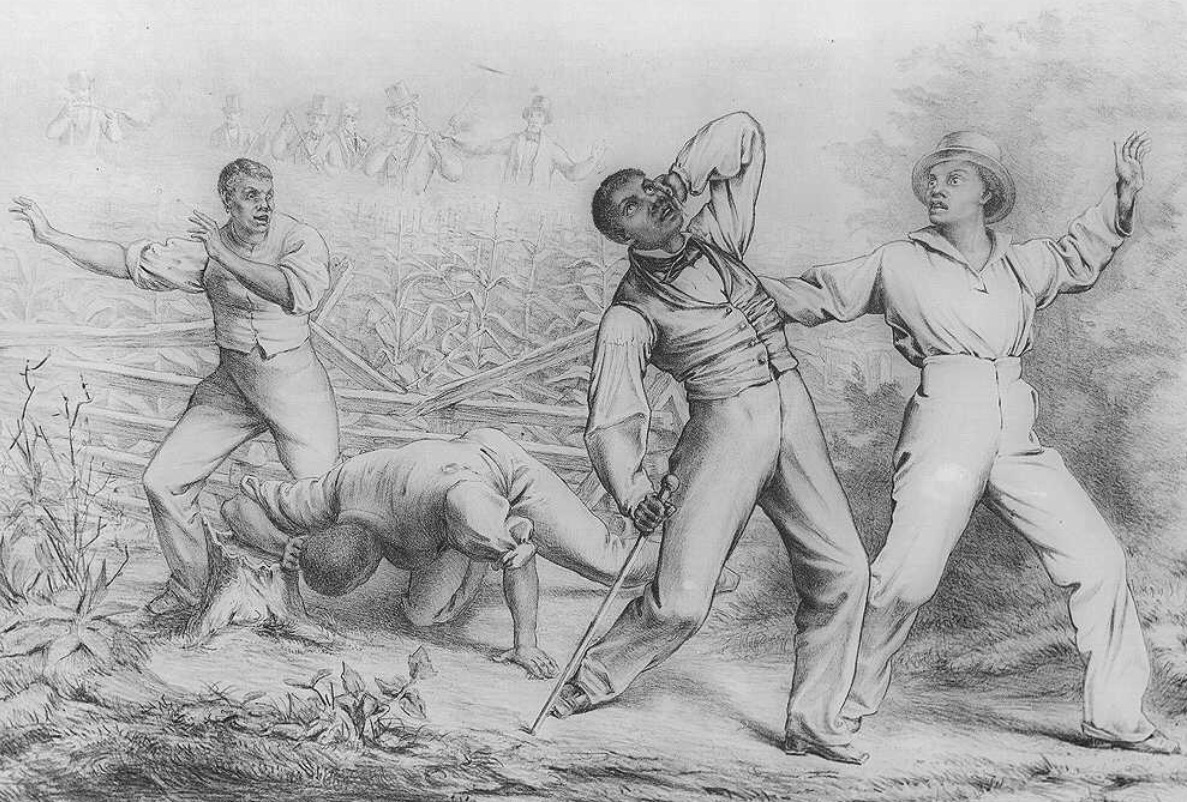
On March 13, 1862, the U.S. federal government forbade all Union army officers from returning fugitive slaves, thus effectively annulling the Fugitive Slave Act of 1850 and setting the stage for the Emancipation Proclamation.

Categories
Thought

Carl Schmitt

If the constitution of a state is democratic, then every exceptional negation of democratic principles, every exercise of state power independent of the approval of the majority, can be called dictatorship.

Categories
Thought

Ludwig von Mises

[N]ations, like individuals, become wise only through experience, and only through experience of their own.