On June 3, 1959, Singapore adopted a constitution.
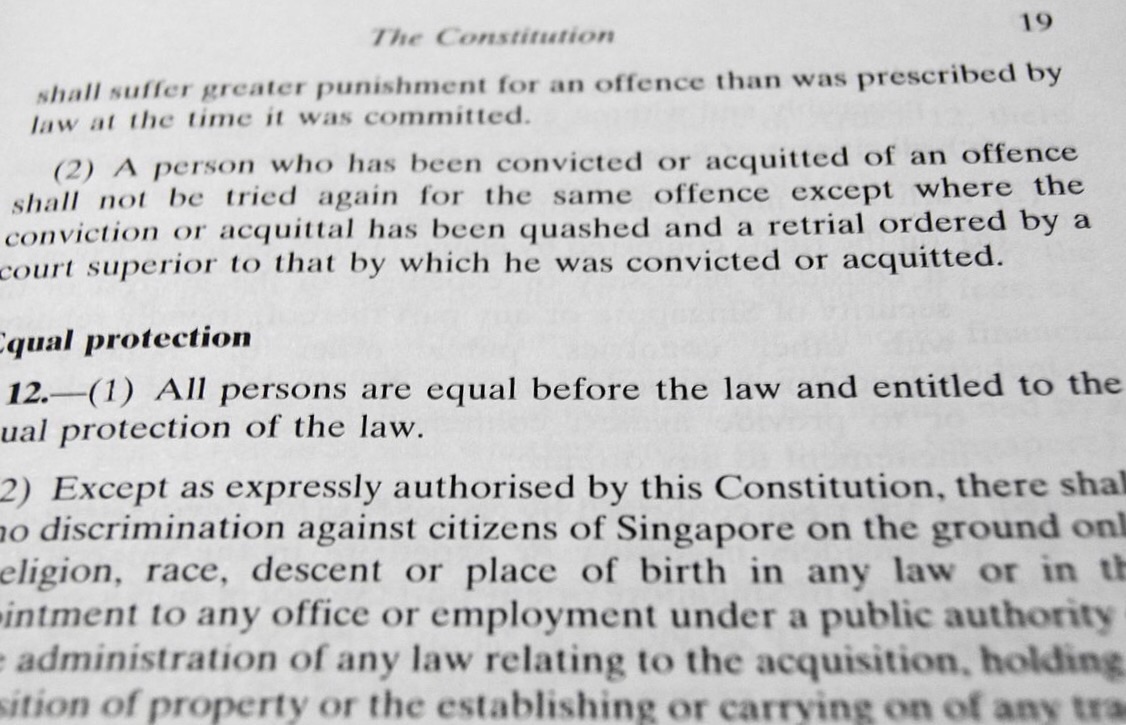
On June 3, 1959, Singapore adopted a constitution.
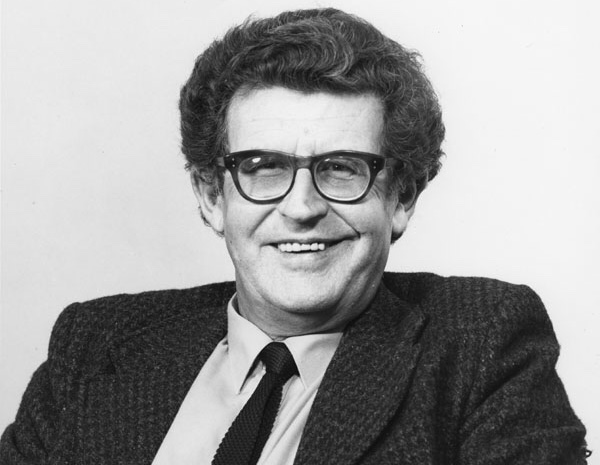
Politics is the activity by which the framework of human life is sustained; it is not life itself.
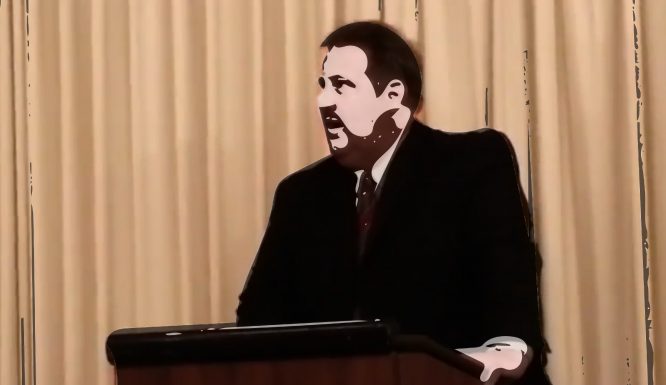
Eugene M. LaVergne has something to say about the Ratified Congressional Apportionment Amendment. Don’t know what that is? Well, that’s why we set this series of videos before your eyes. This is quite a tale:
Part 2:
Part 3:
Part 4:
Part 5:
Part 6:
Part 7:
Part 8:
And for a little reading:
New Revere Daily Press: “Did This New Jersey Lawyer Discover a Lost Constitutional Amendment?”
How “Less” is “More”: the Story of the Real First Amendment to the United States Constitution, by Eugene Martin LaVergne, with Leonard P Marshall
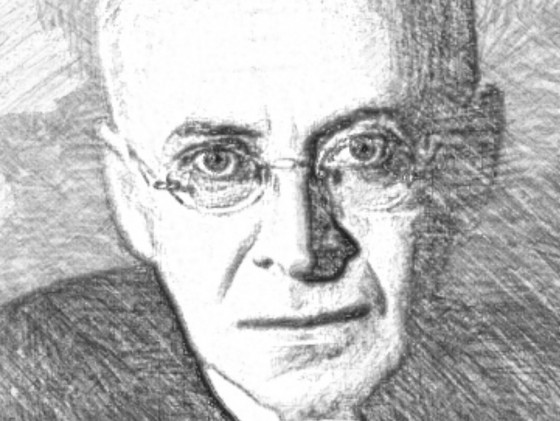
I and my public understand each other very well: it does not hear what I say, and I don’t say what it wants to hear.
Karl Kraus, about his newsletter, Die Fackel.

On June 2, 1924, President Calvin Coolidge signed the Indian Citizenship Act into law, granting citizenship to all Native Americans born within the territorial limits of the United States.
Dynasties rise and fall according to what the Chinese used to call ‘the mandate of heaven,’ but life for the peasant changes little.
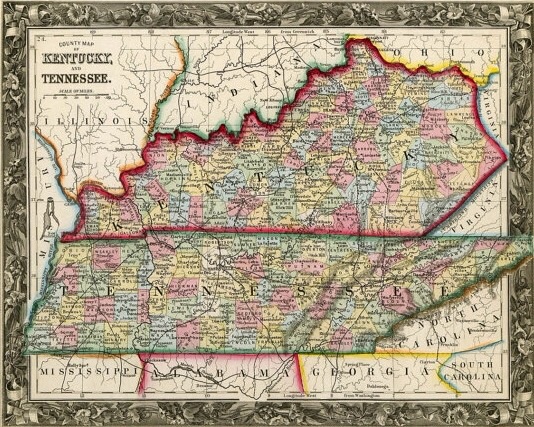
On June 1, 1792, Kentucky was admitted as the 15th state of the United States. Four years later, Tennessee became the 16th state.
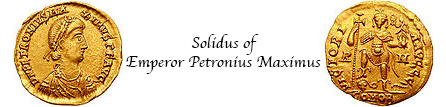
On May 31, 455 A.D., Emperor Petronius Maximus was stoned to death by an angry mob while fleeing Rome.
On that date in 1578, King Henry III laid the first stone of the Pont Neuf (New Bridge), the oldest bridge of Paris, France.
In other rock history, May 31, 2013, marked the closest approach to Earth that the asteroid 1998 QE2 and its moon will get until two centuries hence.

The whole modern world has divided itself into Conservatives and Progressives. The business of Progressives is to go on making mistakes. The business of the Conservatives is to prevent the mistakes from being corrected.
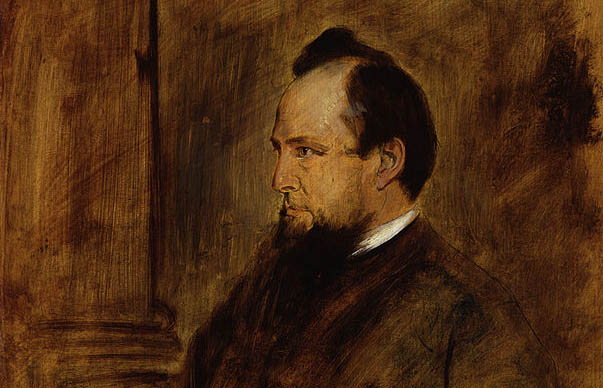
Lord Acton, The History of Freedom in Antiquity (1877).
By liberty I mean the assurance that every man shall be protected in doing what he believes his duty against the influence of authority and majorities, custom and opinion.