There are two kinds of fools: one says, ‘This is old, therefore it is good’; the other says, ‘This is new, therefore it is better.’
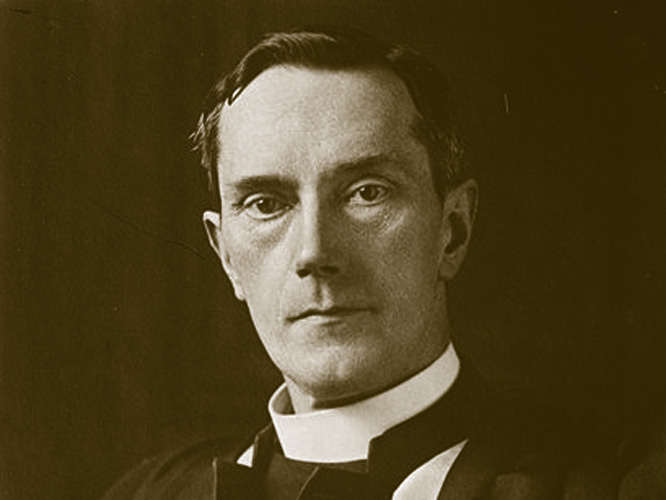
William Ralph Inge was known as Dean Inge, in his heyday.
There are two kinds of fools: one says, ‘This is old, therefore it is good’; the other says, ‘This is new, therefore it is better.’
William Ralph Inge was known as Dean Inge, in his heyday.
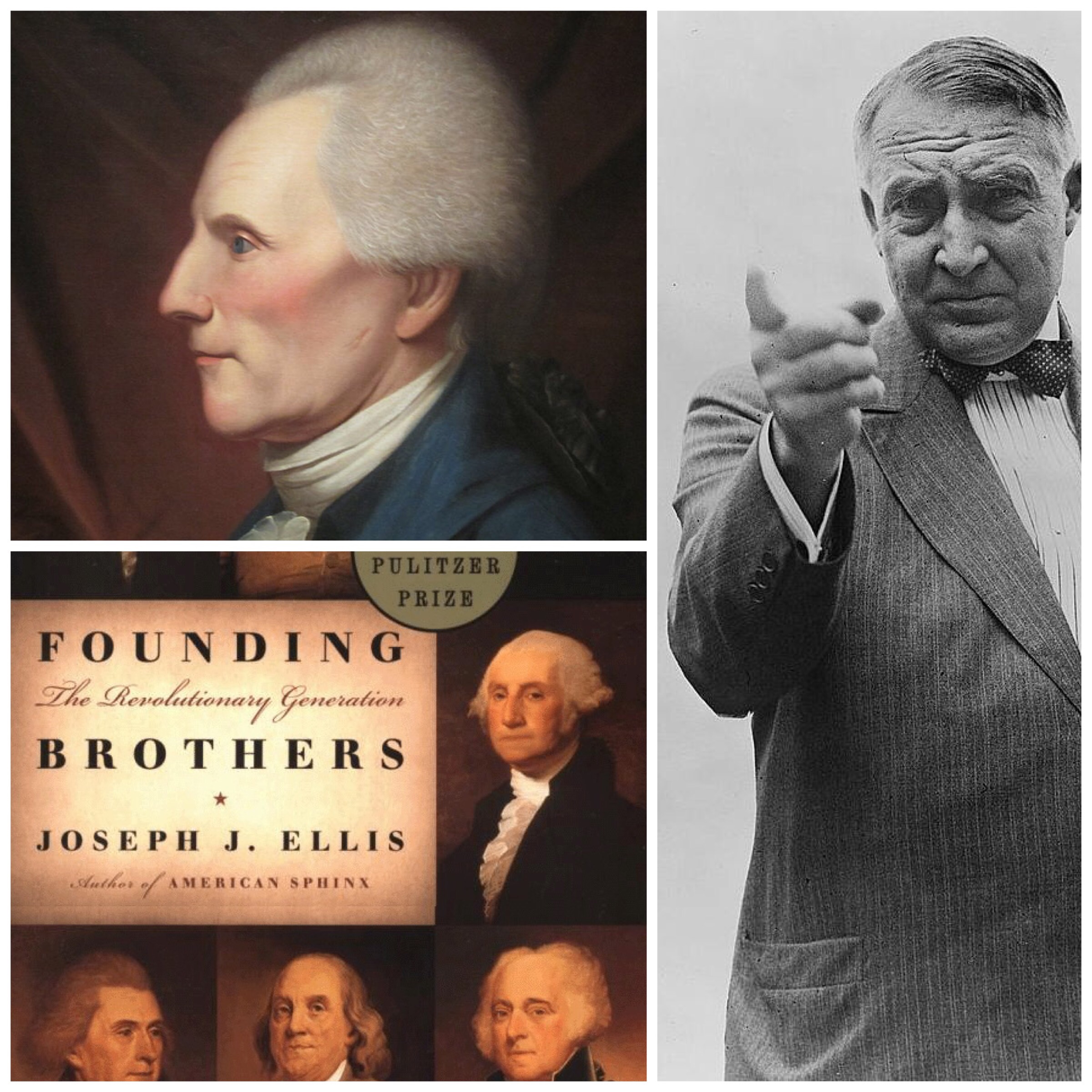
On June 7, 1776, Richard Henry Lee presented the “Lee Resolution” to the Continental Congress. The motion was seconded by John Adams, but was tabled for several weeks. The motion was finally passed on July 2, 1776.
During the 1916 Republican National Convention (June 7 – 10), Senator Warren G. Harding used the phrase “Founding Fathers” in his keynote address . . . and would go on using it in speeches thereafter. It caught on as a eulogistic way to refer to figures such as Thomas Jefferson and, yes, Richard Henry Lee, who orchestrated the American colonies’ break from England’s imperial monarchy.
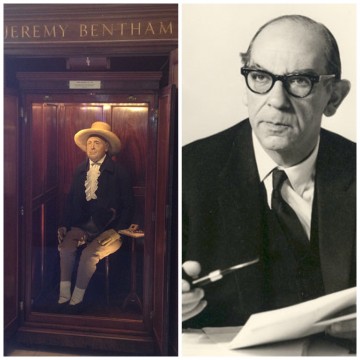
June 6 marks major life events of two eminent British philosophers, Jeremy Bentham’s death* (1832) and Isaiah Berlin’s birth (1909).
Bentham was known as a “philosophical radical” and a major influence on the British utilitarian tradition. He authored numerous books, including Defence of Usury (1787) and An Introduction to the Principles of Morals and Legislation (1789). Bentham started out advocating for laissez faire, became obsessed with his own specially designed prison design, the Panopticon, and argued for feminism and animal rights in public but kept his defense of homosexual rights private, to be published long after his death. His treatise on ethics, Deontology: Or, the Science of Morality, in Which the Harmony and Co-incidence of Duty and Self-Interest, Virtue and Felicity, Prudence and Benevolence, Are Explained and Exemplified, was published from his manuscripts two years after his death.
Berlin was best known for several dozen brilliant essays, including the famous, much-quoted “The Hedgehog and the Fox” (a study of Leo Tolstoy) and “Two Concepts of Liberty.”
* Pictured is his remains as housed in a special “closet” in the London Academy. Bentham specified this in his will, and he called this manner of posthumous presentation an “auto-icon.”

‘Why do men feel threatened by women?’ I asked a male friend of mine. (I love that wonderful rhetorical device, ‘a male friend of mine.’ It’s often used by female journalists when they want to say something particularly bitchy but don’t want to be held responsible for it themselves. It also lets people know that you do have male friends, that you aren’t one of those fire-breathing mythical monsters, The Radical Feminists, who walk around with little pairs of scissors and kick men in the shins if they open doors for you. ‘A male friend of mine’ also gives — let us admit it — a certain weight to the opinions expressed.) So this male friend of mine, who does by the way exist, conveniently entered into the following dialogue. ‘I mean,’ I said, ‘men are bigger, most of the time, they can run faster, strangle better, and they have on the average a lot more money and power.’ ‘They’re afraid women will laugh at them,’ he said. ‘Undercut their world view.’ Then I asked some women students in a quickie poetry seminar I was giving, ‘Why do women feel threatened by men?’ ‘They’re afraid of being killed,’ they said.
Margaret Atwood, Words: Selected Critical Prose (1982), p. 413.
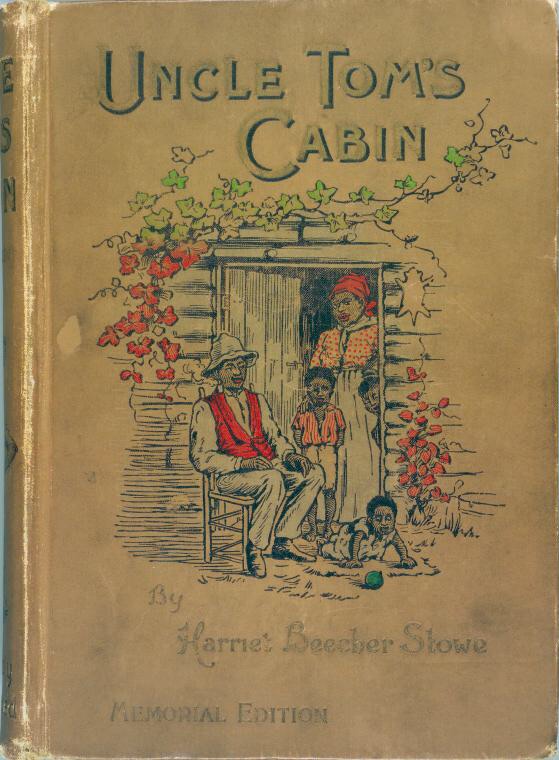
On June 5, 1851, Harriet Beecher Stowe’s anti-slavery serial, Uncle Tom’s Cabin, or Life Among the Lowly, started its ten-month run in the National Era abolitionist newspaper.

Perhaps it is impossible for a person who does no good to do no harm.
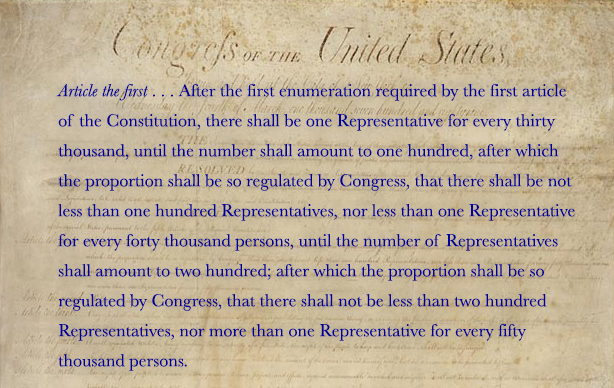
The biggest story of the week, of the month, perhaps of the year. And, so far, it has gotten no coverage.
Except at Townhall this Monday, courtesy of your own Humble . . . Paul Jacob.
Click on over. Then come back here to drill down further into this most amazing development in constitutional history.
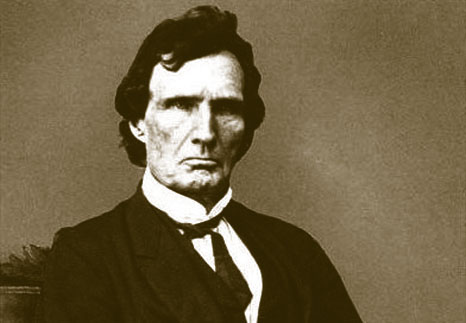
There can be no fanatics in the cause of genuine liberty. Fanaticism is excessive zeal. There may be, and have been fanatics in false religion – in the bloody religions of the heathen. There are fanatics in superstition. But there can be no fanatic, however warm their zeal, in the true religion, even although you sell your goods and bestow your money on the poor, and go on and follow your Master. There may, and every hour shows around me, fanatics in the cause of false liberty – that infamous liberty which justifies human bondage, that liberty whose ‘corner-stone is slavery.’ But there can be no fanaticism however high the enthusiasm, in the cause of rational, universal liberty – the liberty of the Declaration of Independence.

June 4 marks Finland’s Armed Forces Day, Tonga’s Emancipation [or Independence] Day (commemorating the abolition of serfdom in Tonga by King George Tupou in 1862, and the independence of Tonga from the British protectorate in 1970), Estonia’s Flag Day, and the international Tiananmen Square Protests of 1989 Memorial Day.
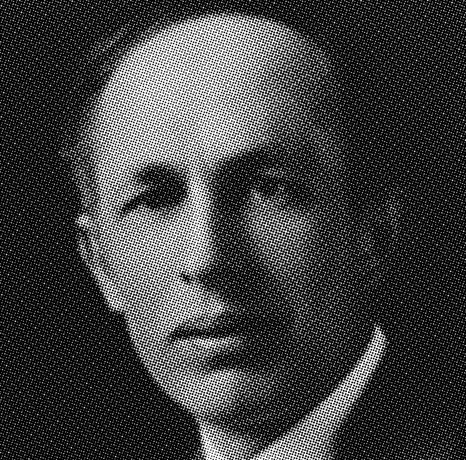
Your right to swing your arms ends just where the other man’s nose begins.