Non omnia possumus omnes.
We cannot all do everything.
Virgil, Eclogues (37 BC), Book VIII, line 63 (tr. Fairclough).
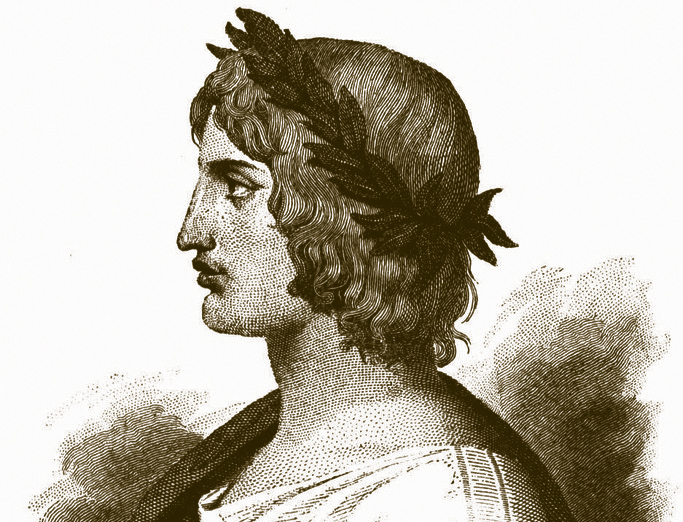
Non omnia possumus omnes.
We cannot all do everything.
Virgil, Eclogues (37 BC), Book VIII, line 63 (tr. Fairclough).

On September 12, 1848, Switzerland became a unified federal state with a constitution limiting central government powers and providing decentralized state (canton) power patterned on the U.S. Constitution.
In 1880 on this date, H.L. Mencken was born. One of his earliest books was a debate with a socialist, The Men versus The Man (1910); his greatest lasting contribution was probably The American Language (1919) and its supplements (1945, 1948). His work has been collected in numerous anthologies, such as Alistair Cooke’s Vintage Mencken (1955) and the author’s own Mencken Chrestomathy.
Last week, the Senate Judiciary Committee again demonstrated why Congress’s approval ratings bob about in our toilet bowls. Amid the spectacle of Judge Brett Kavanaugh’s confirmation hearings, one senator spoke not about judicial philosophy, but political reality.
“What’s the hysteria coming from?” asked Sen. Ben Sasse (R-Neb.), noting the circus-like atmosphere. His answer? The Supreme Court “is increasingly a substitute political battleground,” because “the Congress has decided to self-neuter.”
Blunt assessment.
“In our system, the legislative branch is supposed to be the center of our politics,” Sasse argued, adding dejectedly, “It’s not.”
Why not?
“What we mostly do around this body is not pass laws,” he offered. “What we mostly do is decide to give permission to the secretary or administrator of bureaucracy X, Y, or Z to make law-like regulations.”
“More and more legislative authority is delegated to the executive branch every year. Both parties do it,” explained the senator. “The legislature is impotent, the legislature is weak, and most people here want their jobs more than they really want to do legislative work . . .”
Sasse continued, “The real reason, at the end of the day, that this institution punts most of its power to executive branch agencies is because it’s a convenient way for legislators to be able to avoid taking responsibility for controversial and often unpopular decisions.”
Better to blame the bureaucracy.
“If your biggest long-term thought around here is about your own incumbency,” he said dismissively, “then actually giving your power away is a pretty good strategy.”
But “when Congress neuters itself,” warns the Cornhusker State solon, “it means the people are cut out of the process.”
A powerful case for term limits.
This is Common Sense. I’m Paul Jacob.
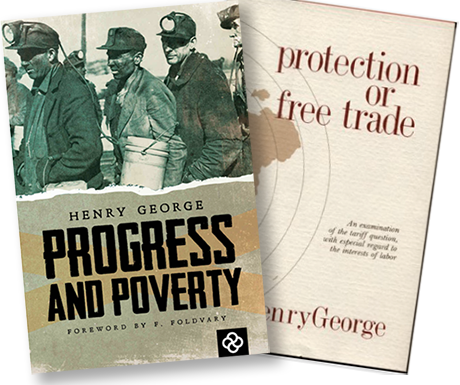
The progress of civilization necessitates the giving of greater and greater attention and intelligence to public affairs.
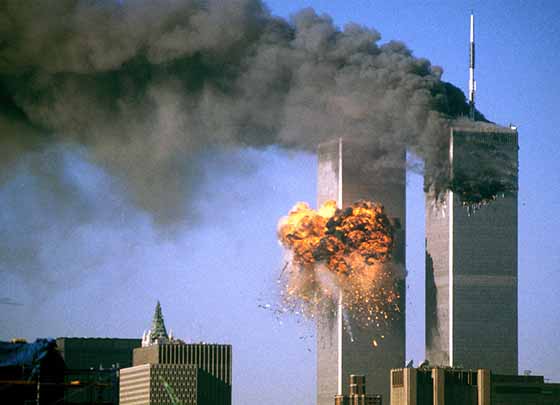
September 11 marks several dates in the history of the clash between the West and the Islamic East:
• In 1526, the Ottoman army occupied Buda after the crushing Hungarian defeat in the Battle of Mohács.
• In 1565, Ottoman forces retreated from Malta, ending the Great Siege of Malta.
• In 1609, an expulsion order announced against the Moriscos of Valencia began the expulsion of all Spain’s Moors.
• In 2001, Muslim jihadists associated with Al Qaida hijacked two airliners flying out of Boston, Massachusetts, one out of Newark, N.J., and another out of Washington’s Dulles airport, commandeering two of those jets into the World Trade Center in New York and one into the Pentagon near the nation’s capital. The fourth crashed into a field near Shanksville, Pennsylvania — making this flight, United 93, the only one of the terrorist attacks that day prevented from achieving its target, the agency of the prevention being the united efforts of civilians on the flight.
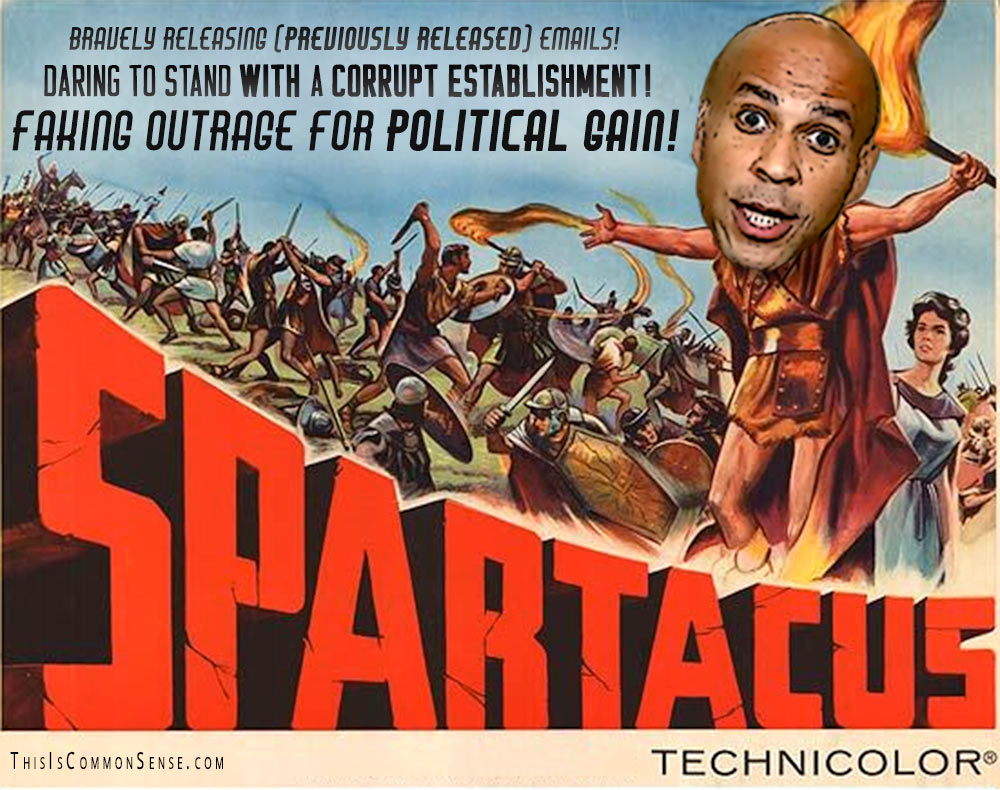
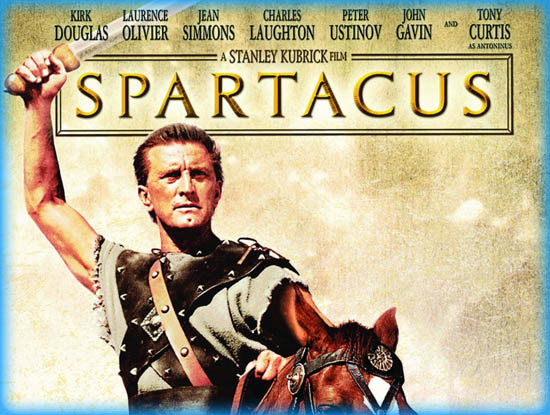
“This is about the closest I’ll probably ever have in my life to an ‘I am Spartacus’ moment,” Corey Anthony Booker said, referring, during last week’s Senate hearings, to his “leakage” of confidential emails from Supreme Court nominee Brett Michael Kavanaugh.
How the mighty have fallen. Senator Booker, when mayor of Newark, seemed an up-and-comer.
Now? A down-and-goer?
“I come from a long line, as all of us do as Americans, of understanding what that kind of civil disobedience is, and I understand the consequences.” It was almost a Br’er Rabbit Briar Patch Moment, performatively suggesting, “whatever you do, don’t censure me.”*
The moment Senator Booker was referring to was from Stanley Kubrick’s Spartacus, where a group of slaves all claim to be Spartacus, the leader of the rebelling slaves. Booker mostly missed the point of a great movie scene.
That wasn’t all he missed. The emails he leaked (a.) had in fact been previously released to the public; (b.) he knew this; and (c.) they somehow failed to provide that killer proof of Kavanaugh’s racist love of racial profiling.
Funny, in a cringe-inducing sort of way, as when someone tries to tell a mildly risqué joke at a church social . . . and flubs it.
Booker was not the only one to make a fool of himself at the Senate’s Supreme Court nomination hearings. Though Kavanaugh doesn’t seem so scary, Democrats have gone off the beam, even so far as to engage in ululations of protest.
Why?
I have several theories. But maybe it’s just that they are out of power.
It’s especially hard being out of power when power is what you are all about.
This is Common Sense. I’m Paul Jacob.
* Being seen as the underdog is so persuasive that some will put themselves under a dog.

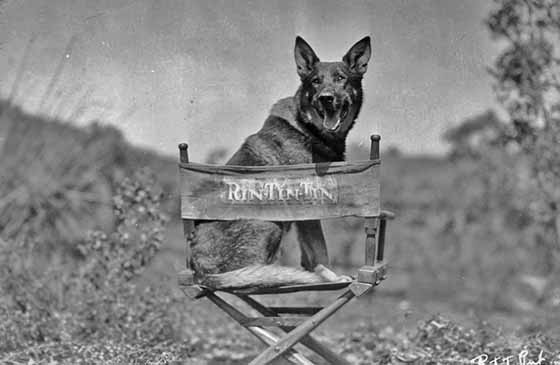
September 10, 1918, is the estimated date of birth for Rin Tin Tin, one of a litter of shell-shocked puppies found by an American serviceman in a bombed-out kennel in Lorraine, less than two months before the end of World War I. The dog went on to become the lead actor in a number of very popular films, and one of the great celebrities of his age.
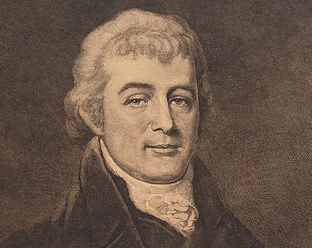
We have no right to expect that our rulers will be more wise, more virtuous, or more perfect than those of other nations have been. . . .
Oh, how weird it has all gotten! But why? Well, what is demanded?
Click on over to Townhall.com. Then back here for more perspective:
This column will appear on this site and in downloadable PDF on Tuesday: click here.
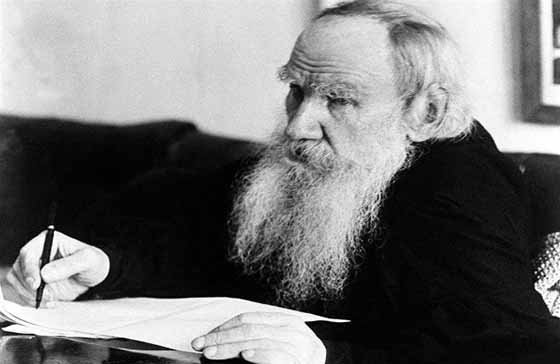
On September 9, 1828, Count Lev Nikolayevich Tolstoy was born. Known most commonly in the English-speaking world as Leo Tolstoy, he became the celebrated author of the novels Anna Karenina and War and Peace, as well as the novellas and short stories entitled “Family Happiness,” “The Death of Ivan Ilyich,” and “The Kreutzer Sonata.”
His political and religious ideas heavily influenced Gandhi and Martin Luther King, Jr.
Tolstoy died in 1910.