The latest revelations from Project Veritas:

The latest revelations from Project Veritas:
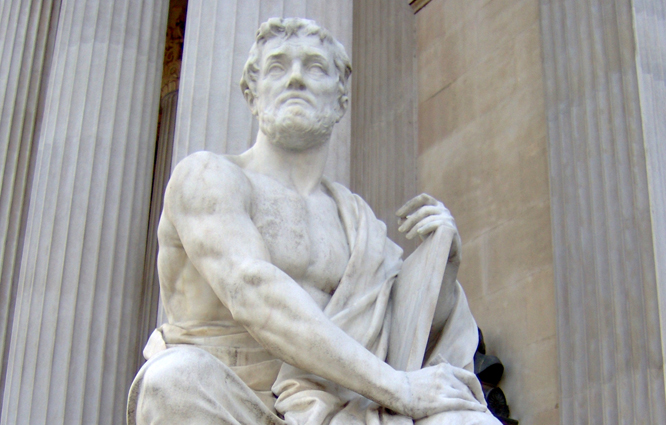
Auferre, trucidare, rapere, falsis nominibus imperium; atque, ubi solitudinem faciunt, pacem appellant.
To ravage, to slaughter, to usurp under false titles, they call empire; and where they make a desert, they call it peace.
Tacitus, De vita et moribus Iulii Agricolae (89 AD), Close of chapter 30, Oxford Revised Translation.

On September 22, 1862, U.S. President Abraham Lincoln issued a preliminary proclamation that he would order the emancipation of all slaves in any state of the Confederate States of America that did not return to Union control by January 1, 1863. None returned, and the subsequent order, signed and issued January 1, 1863, took effect except in locations where the Union had already mostly regained control.

The three issues on the ballot in Memphis this November are “not complicated,” writes Commercial Appeal columnist David Waters, “unless you read the actual ballot questions.”
Which is all most voters will see.
All three directly affect the self-interest of members of the Memphis City Council, which placed them on the ballot and determined the language voters will attempt to decipher.
Waters called that ballot wording “incomprehensible” and “intentionally confounding.” His newspaper colleague, Ryan Poe, accused the council of “trying to stack the deck.”
The first measure would weaken the council’s term limits, passed in 2011 with a 78 percent vote and just about to kick in. The ballot language, Mr. Poe explains, “reads like voters are being asked to place limits on council members . . . rather than extend them.” By an extra term.
The second issue would repeal Instant Runoff Voting (IRV), which was brought forth by citizen petition and enacted via a 71 percent yes vote. The confusing ballot wording brings up a 1991 federal court decision without providing voters any context or explanation.
Though IRV has not yet been used, council incumbents fear it.* This becomes especially clear when you discover that the third ballot question is actually a sneakier, second attempt to repeal IRV.
“Instant runoffs, and run-off elections in general, tend to make it easier for challengers to unseat incumbents in multi-candidate district races,” argues Waters. He adds, “Incumbents generally become stronger the longer they are in office.”
To incumbent politicians, reform is a dirty word.
This is Common Sense. I’m Paul Jacob.
* Back in February, the council was caught paying a lobbyist to convince state legislators to restrict their city’s ability to implement Instant Runoff Voting.

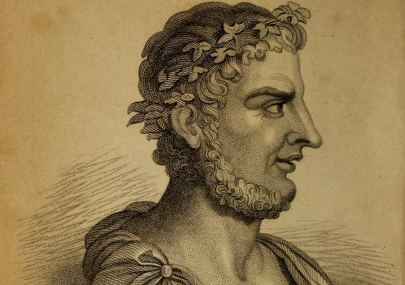
Sed quis custodiet ipsos custodes?
But who will guard the guardians themselves?
Juvenal, Sixth Satire.
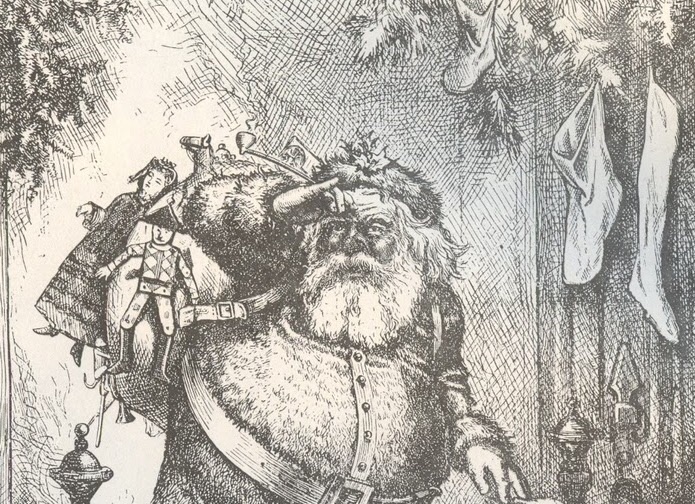
On September 21, 1897, the “Yes, Virginia, there is a Santa Claus” editorial was published in the New York Sun. Note how long before Christmas this is. The Christmas season has long been a long affair.

“Social media has given extremists a new tool with which to recruit and radicalise,” writes British Labour MP Lucy Powell in The Guardian.
And just where are people “being exposed to extremist material”?
On Facebook!
“Instead of small meetings in pubs or obscure websites in the darkest corners of the internet,” she explains, “our favourite social media site is increasingly where hate is cultivated.”
Sharing ideas that she opposes is dangerous because they quickly spread. But her main ire is directed against private “Facebook groups,” an environment she argues “normalises these hateful views” because “critics are removed from the groups.”
Apparently, the problem with Facebook is that it is open — and that it is closed. Facebook is something new and dangerous because everybody uses it. Yet, because it allows closed groups, it is something very much like . . . “small meetings in pubs.”
Ms. Powell has, naturally enough, proposed a bill. “The responsibility to regulate these social media platforms falls on the government,” she asserts. “I believe we can force those who run these echo chambers to stamp out the evil that is currently so prominent.”
Like any politician, she talks up unity, of course. She demands the government prevent social media from “being hijacked by those who instead wish to divide.”
But remember, she is a member of a political party that opposes other parties. She is trying to suppress divisions that exist. The implication of her agenda is a one-party state, where opposition is suppressed.*
By censorship.
A word she somehow neglects to use.
Online extremism, she writes, “is something we are frighteningly unequipped to deal with.”
I’d say she is frighteningly equipped.
This is Common Sense. I’m Paul Jacob.
* Social media critic Dave Cullen notices that MP Lucy Powell admits that there is a huge personal element here: she is a politician who doesn’t like criticism.

Illustration by JG

On September 20, 480 BC, Greeks defeated Persian forces in the battle of Salamis.
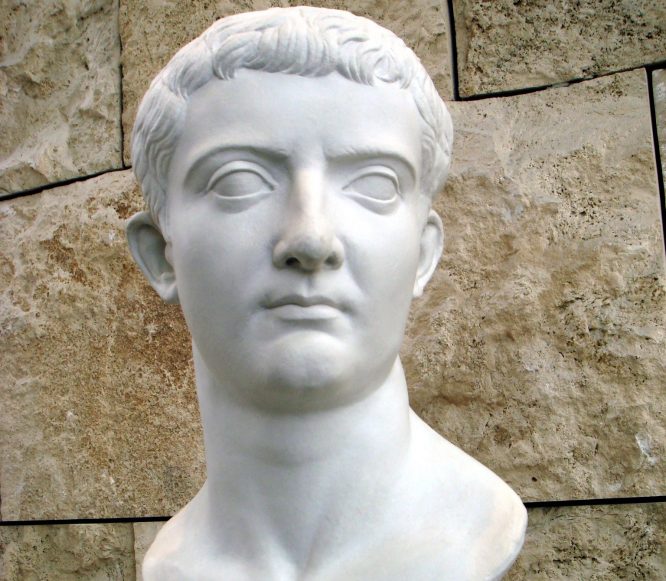
If So-and-so challenges me, I shall lay before you a careful account of what I have said and done; if he should continue, I shall reciprocate his dislike of me.
Tiberius, as quoted by Suetonius in De vita Caesarum, Chapter 28, in this form:
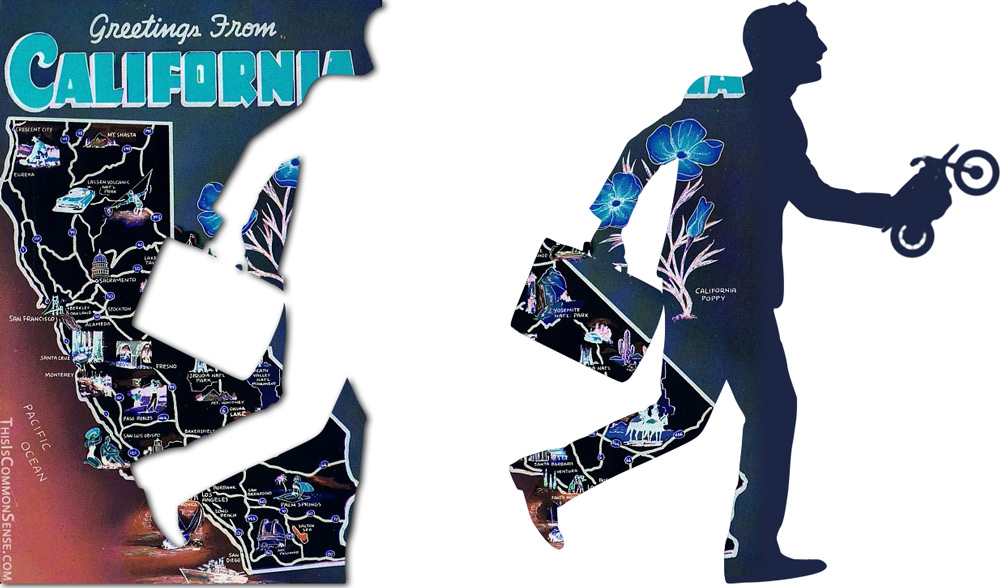
“California is the place you oughta be” — or so sang Jerry Scoggins for The Beverly Hillbillies. That may still hold true, if you are an oil millionaire retiring to a pleasant climate.
But if you are trying to make your fortune, the direction is outbound.
Take, for example, the case of Yamaha Motor USA.
The company’s big bike sales — motorcycles 500cc and up — went way down during the last dozen months, 19 percent. And since Yamaha’s operations are in California, hits to revenue like that intersect alarmingly with ongoing hits to the cost of doing business.
Which explains the decision to move the company to “just outside of Atlanta, Georgia,” as reported by Jensen Beeler in Asphalt & Rubber.
“It should be an obvious statement that California is an expensive place to operate a business,” Beeler explains. “The state isn’t known as being a tax haven for corporations, the property values are high, which means buildings are expensive, and the standard of living for Los Angeles is one of the highest in America, which means that employees have to be paid a premium as well.”
And Beeler’s report does not even mention the state’s regulatory burden.
Problem? Southern California is “where the bulk of the motorcycle industry resides,” and Yamaha will face some difficulty being so distant from its industry’s major talent pool.* But there are a few automotive and motorcycle companies in Georgia, so Yamaha is not alone.
Indeed, if politicians continue to wreak havoc on their business sector, the Golden State bike industry will lose more than just Yamaha.
This is Common Sense. I’m Paul Jacob.
* The company will keep “a small cadre of Yamaha employees” behind in Cypress, California, focusing on testing and racing.
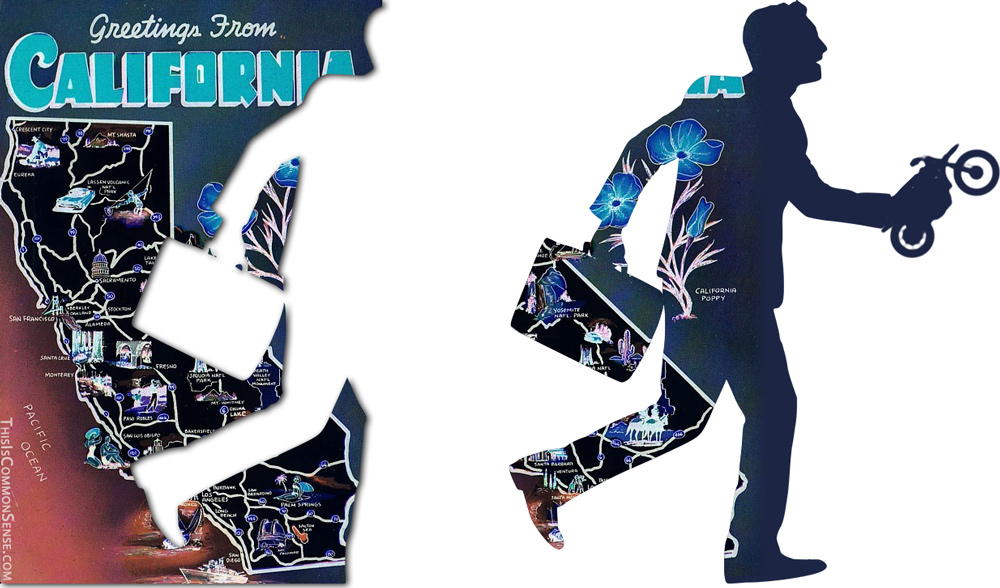
Illustration by JGill (running silhouette from Max Pixel)