We are none of us infallible, not even the youngest of us.
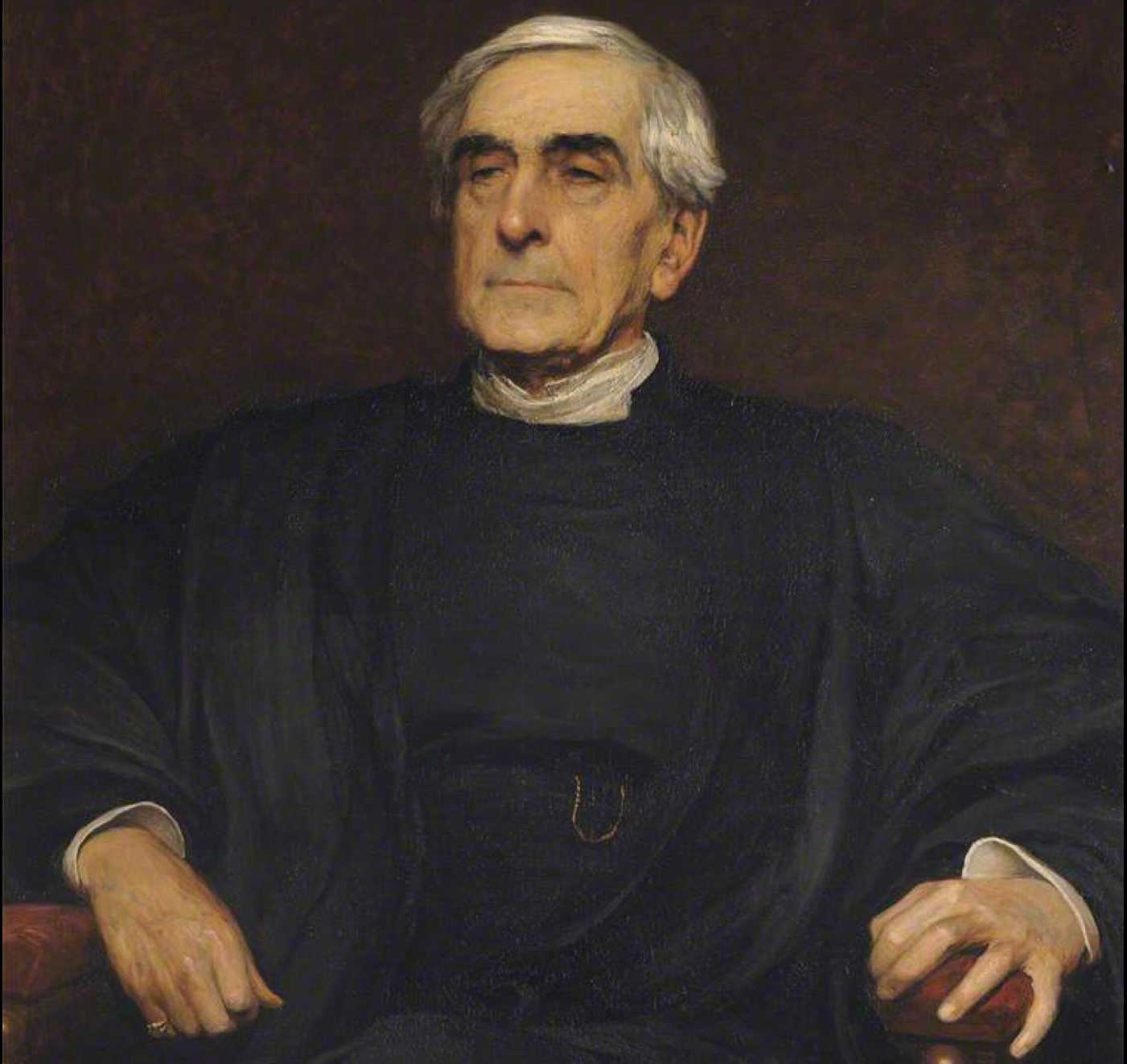
William Hepworth Thompson (1819–1886), attributed in Collections and Recollections by George W. E. Russell (1898) and also in Trinity College An Historical Sketch by G.M. Trevelyan (1943).
We are none of us infallible, not even the youngest of us.
William Hepworth Thompson (1819–1886), attributed in Collections and Recollections by George W. E. Russell (1898) and also in Trinity College An Historical Sketch by G.M. Trevelyan (1943).
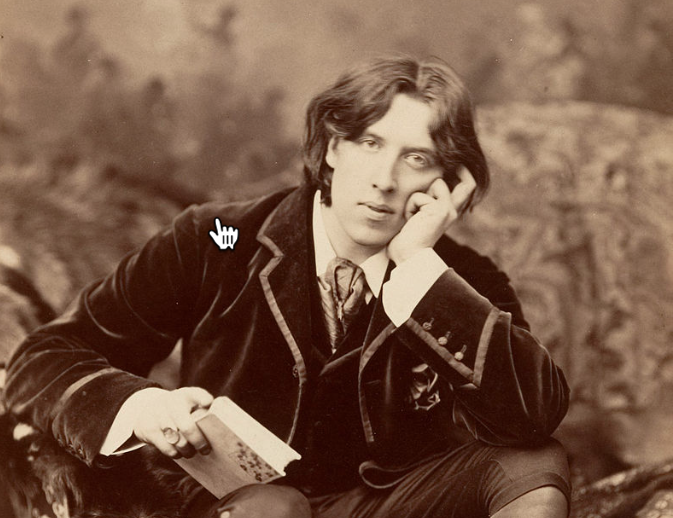
On May 19, 1897, Irish author, playwright, and poet Oscar Wilde (October 16, 1854 – November 30, 1900) was released from Reading Prison, where he had finished, in ill health, his hard labor sentence for “gross indecency.” His “Ballad of Reading Gaol,” first published pseudonymously in a periodical with wide circulation amongst criminals, quickly achieved the status of a
He died less than three years later, in exile in Europe. His most famous works include the play The Importance of Being Earnest, the novel The Picture of Dorian Gray, and the fascinating essay “The Soul of Man Under Socialism.”
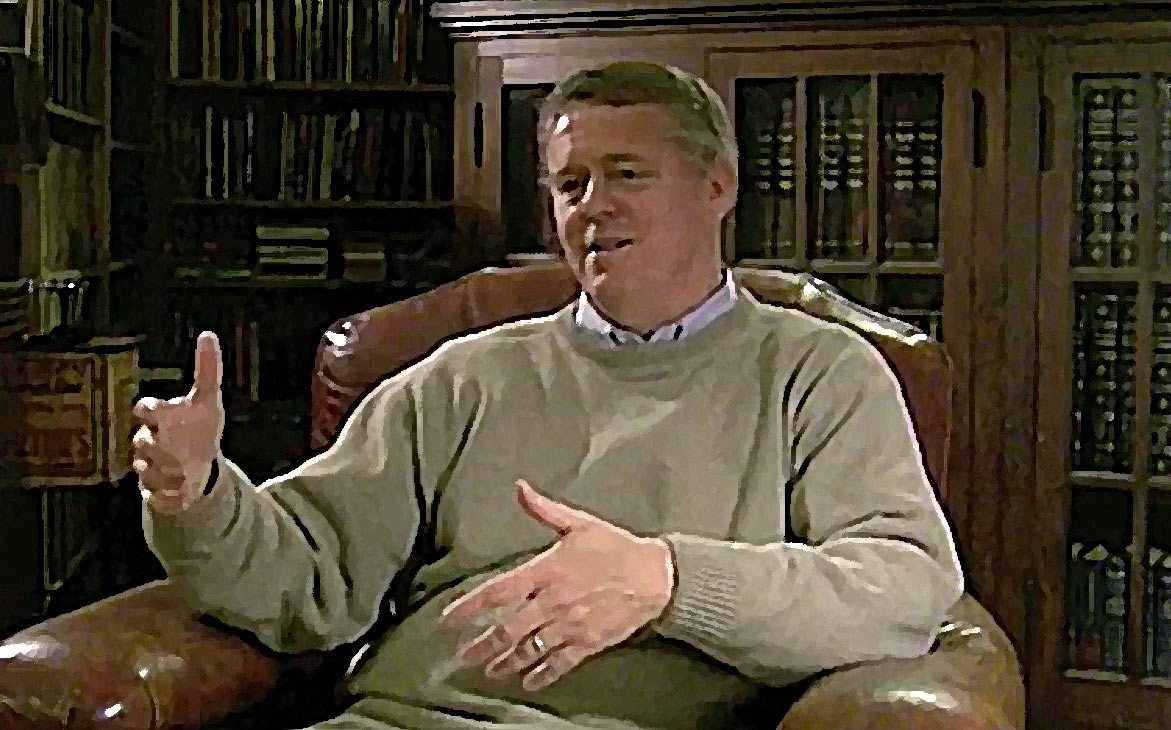
The second part of Paul’s video from last weekend:

On May 18, 1593, playwright Thomas Kyd’s accusations of heresy led to an arrest warrant for fellow playwright Christopher (“Kit”) Marlowe.
Kyd was the famed author of The Spanish Tragedy, and Kit Marlowe [pictured] was known for a number of plays, including The Jew of Malta and The Tragicall History of the Life and Death of Doctor Faustus.
Marlowe died a few weeks later, on May 30, without having been arrested. The circumstances of his death were bizarre, suspicious — as if written by a playwright.
On May 18, 1652, Rhode Island passed the first law in English-speaking North America making slavery illegal.
There are philosophers who have given their minds to the phenomenon of disregard of laws and have sought out its causes. Much more surprising, however, is the opposite phenomenon of respect for laws and deference to authority. . . . It is as true today as it was ten thousand years ago that a Power from which the magic virtue has gone out, falls.
Bertrand de Jouvenel, On Power

Education is important. I want my young adult offspring to get into a great college or university.
Sadly, my bribery fund is empty.
Must she, then, rely only upon working hard for good grades and preparing for the Scholastic Aptitude Test (SAT)?
No. There is a workaround: find a way to improve our family’s Adversity Score.
“The College Board plans to assign an adversity score to every student who takes the SAT,” The Wall Street Journal reports, “to try to capture their social and economic background, jumping into the debate raging over race and class in college admissions.”
This year 50 universities, including Yale, used these scores; next year, 150 will do so. Students are assessed on 15 not fully disclosed factors, things such as the level of crime and poverty in one’s high school and neighborhood, “the educational level of the parents,” and “family stability.”
“An adversity score of 50 is average,” notes the Journal. “Anything above it designates hardship, below it privilege.”
Hmmm, how to climb (or descend) the “Overall Disadvantage Index”? What sacrifices to make?
My wife and I could divorce. Coming from a single parent household would improve our daughter’s opportunities in higher education.
We won’t sink her chances by upgrading our own educations. That’s obvious.
And crime-free homeschools certainly place kids at a distinct disadvantage in being disadvantaged. I guess we could move to a more dangerous neighborhood.
Heck — what am I thinking?! — we can stay put and just commit crimes ourselves. Show some entrepreneurial initiative! Don’t be dependent on others, for heaven sake! Be the change we wish to see in our world.
On that one, though, I better check my exuberance with my wife . . . if our divorce hasn’t yet been finalized.
This is Common Sense. I’m Paul Jacob.

See all recent commentary
(simplified and organized)
See recent popular posts
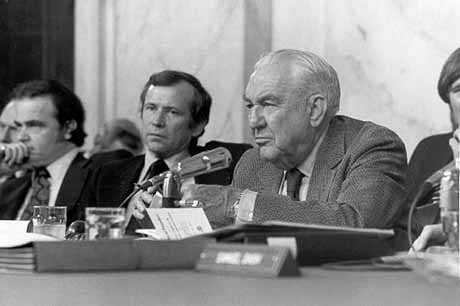
On May 17, 1973, televised hearings regarding the Watergate scandal began in the United States Senate. Sen. Sam Ervin chaired.
Little did participants know that the name of the hotel in which the White House-arranged break-ins occurred would provide a template for most future political scandals: “-gate” would be suffixed to nearly every other possible designator of scandal. The current Democratic vendetta against Republican Donald Trump for winning the 2016 election has been called “Russiagate,” for example.
This could be called a suffix meme. Or insufferable meme, if you prefer.
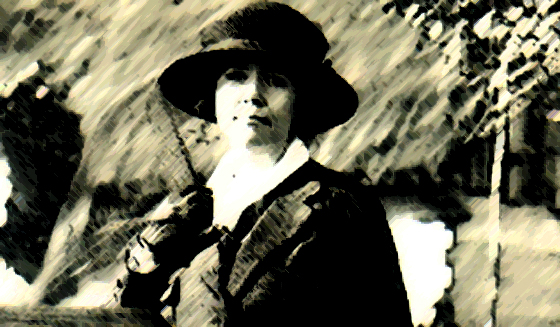
One thing I hate about the New Deal is that it is killing what, to me, is the American pioneering spirit. I simply do not know what to tell my own boys, leaving school and confronting this new world whose ideal is Security and whose practice is dependence upon government instead of upon one’s self. . . . All the old character-values seem simply insane from a practical point of view; the self-reliant, the independent, the courageous man is penalized from every direction.
Rose Wilder Lane, Journal entry (April 15, 1937), as quoted in The Ghost in the Little House, ch. 14, by William V. Holtz (1993)

Seventy-seven million.
That is the dollar amount of “financial errors” that North Dakota State Auditor Joshua Gallion discovered in the last year, after launching performance audits at twice the rate of his predecessor.*
So, uncork the champagne! Huzzahs all around! Back slaps.
But the back-slappers in the state legislature took a much different tack.
In the waning days of this year’s now-adjourned legislative session, in the opacity of a conference committee, a change somehow slipped into a bill. No future audits without legislative approval.
As news hit of this handcuffing of the elected watchdog, taxpayers turned livid. And legislators started tap-dancing, claiming that “the legislation had nothing to do with the new aggressiveness Gallion brought to the job.”
Finally, Rep. Keith Kempenich, the author of the change, confessed: “A lot of legislators started having some issues with the way things were going and wanted to reel him in.”
Kempenich added that the auditor’s work “isn’t supposed to embarrass people.” At his Minuteman Blog, Arthur Mason countered that such financial mismanagement is “worthy of embarrassment.”
Governor Doug Burgum, who has “felt the sting of a Gallion audit,” signed the bill; calls for the legislature to reverse their gutting of accountability have fallen on deaf ears.
Concerned citizens were already organizing to defeat the legislature’s proposed constitutional amendment giving themselves a veto on voter-initiated amendments, requiring a re-vote if politicians don’t like the people’s first vote. Now an additional effort is forming to petition a referendum or new initiative onto the ballot to stop the power-mad politicians from neutering the state auditor.
Who do these legislators think they are?
Seems North Dakota’s solons are in desperate need of still another reform measure: term limits.
This is Common Sense. I’m Paul Jacob.
* Prior to Gallion’s 2016 election, the state auditor post had for 44 years been a hereditary fiefdom, held by Republican Robert Peterson for 20 years and, before that, for 24 years by Peterson’s father.

See all recent commentary
(simplified and organized)
See recent popular posts
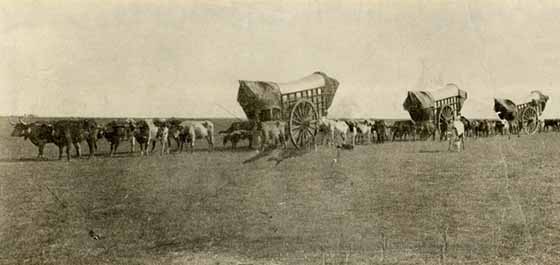
On May 16, 1843, one thousand pioneers from Elm Grove, Missouri, set off for the Pacific Northwest, blazing what became known as the “Oregon Trail.”