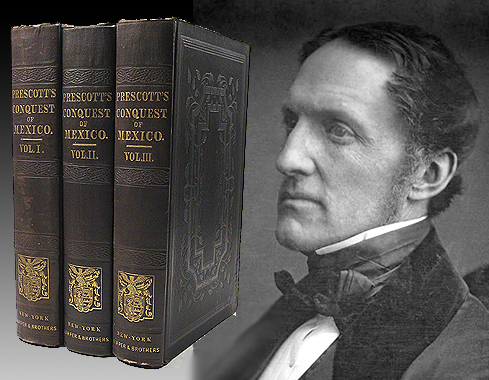
In contemplating the religious system of the Aztecs, one is struck with its apparent incongruity, as if some portion of it had emanated from a comparatively refined people, open to gentle influences, while the rest breathes a spirit of unmitigated ferocity.
William H. Prescott, History of the Conquest of Mexico, chapter three
The first half of This Week in Common Sense for the first full week of November, 2019:
Paul began his Common Sense with Paul Jacob commentary in 1999, and for a decade he produced these weekly commentary spots for the radio. Now, a decade later, he begins to podcast. Catch him on SoundCloud, and soon to a podcast service you use:
This podcast incorporates both Saturday and Sunday videos.
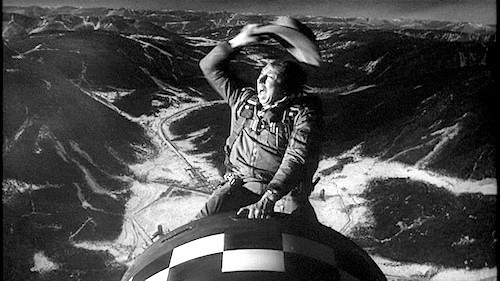
On November 9, 1979, NORAD computers and the Alternate National Military Command Center in Fort Ritchie, Maryland, detected an apparent massive Soviet nuclear strike. After reviewing the raw data from satellites and checking the early-warning radars, the alert was cancelled.
Corey Feldman, former child actor and defender of Hollywood children from sexual abuse by entertainment industry movers and shakers, had given many clues about who his particular abuser was. On the Dr. Oz show, recently, Feldman still wouldn’t name the name, because, he said, he lacked legal representation on this matter.
Feldman looked awfully uncomfortable for the rest of the interview.
Meanwhile, the corporate press has been very “conscientious” to protect the name of the “whistleblower” on Donald Trump’s call to Ukraine that has spurred impeachment inquiries. The name has been known for a long time, but was recently and at long-last revealed by Donald Trump., Jr..
The man in question appears to be a Democratic partisan, had worked for Vice President Biden, had been sacked from the White House for being a suspected leaker, and had waited until after he had talked with Impeacher-in-Chief Rep. Adam Schiff (D-Cal.) before filing his whistleblowing paperwork.* Special legislation protects him from being fired from his current government job. But not from being named. Yet the mainstream news outlets “valiantly” protected the man’s identity from the public.
Then there’s the Amy Robach story. Ms. Robach had been caught on tape complaining about how ABC had squelched her Jeffrey Epstein story, years ago, robbing her of a scoop. An ABC employee had leaked the tape, and it became news. ABC figured out who had leaked it, and realized they couldn’t fire her because she had moved on to CBS. So ABC asked CBS to fire her.**
Courteously, CBS complied.
The press seems awfully inconsistent in protecting whistleblowers.
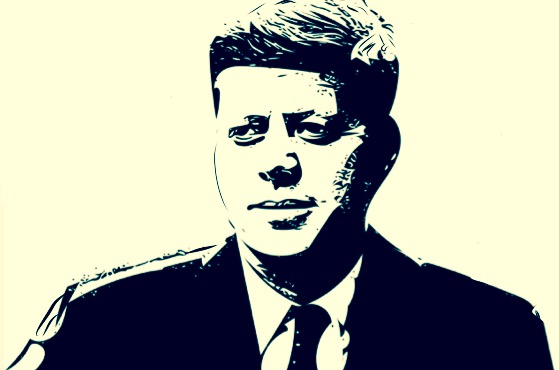
Montana was admitted into the United States federal union as the 41st state on November 8, 1889. On the same date in 1960, John F. Kennedy defeated Richard Nixon in one of the closest presidential elections of the 20th century, becoming the 35th president of the United States.
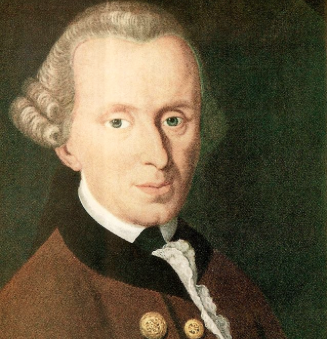
The civil state regarded purely as a lawful state, is based on the following a priori principles:
The freedom of every member of society as a human being.
The equality of each with all the others as a subject.
The independence of each member of a commonwealth as a citizen.
These principles are not so much laws given by an already established state, as laws by which a state can alone be established in accordance with pure rational principles of external human right.
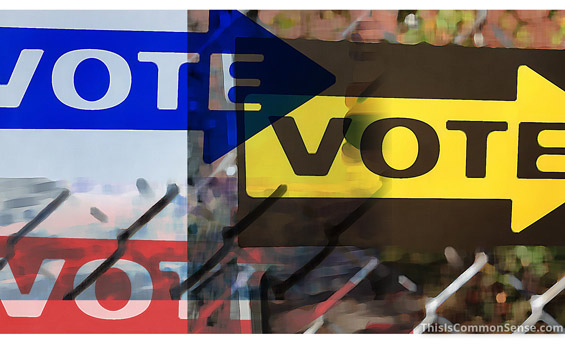
“The Trump years may have cemented Colorado’s blue-state status — time will tell,” writes Alex Burness in the Denver Post, “but voters in the Centennial State continue to hold a hard line on anything that has even a whiff [of] new tax.”
Burness is talking about Proposition CC, a measure placed on Tuesday’s ballot by the state’s Democratic-controlled legislature, which would have allowed state government to keep and spend $37 million annually coming into government coffers over the state’s constitutional spending cap, rather than refunding those dollars to taxpayers as required by the Taxpayer Bill of Rights passed back in the 1990s.
The elite supporters of Proposition CC devoted more than $4 million to promoting the measure, outspending opponents better than two-to-one and arguing that government desperately needed the money for education and transportation. Opponents cried foul over the official ballot summary voters read, which began with the words “Without a tax increase . . .”
“But the measure lost,” Burness informs, “and it wasn’t close.”
“The measure’s failure amounts to a significant victory for supporters of the Taxpayer’s Bill of Rights,” Colorado Public Radio reports. “That constitutional amendment requires voter approval for all tax increases, sets a revenue limit for every government in the state and requires any surpluses be returned to taxpayers.”
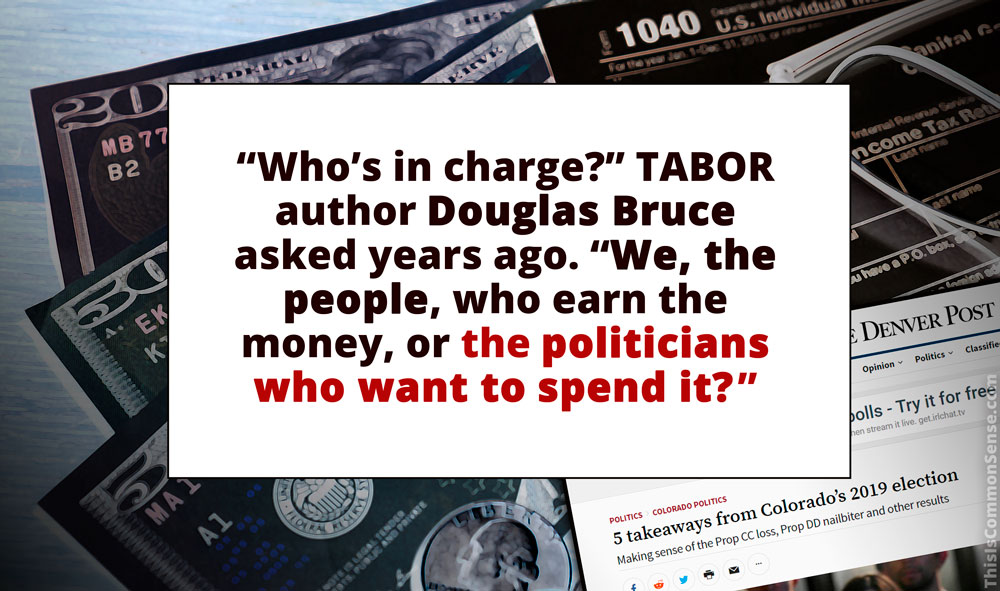
“Who’s in charge?” TABOR author Douglas Bruce asked years ago. “We, the people, who earn the money, or the politicians who want to spend it?”
The answer from supposedly blue-leaning Colorado voters was unequivocal.
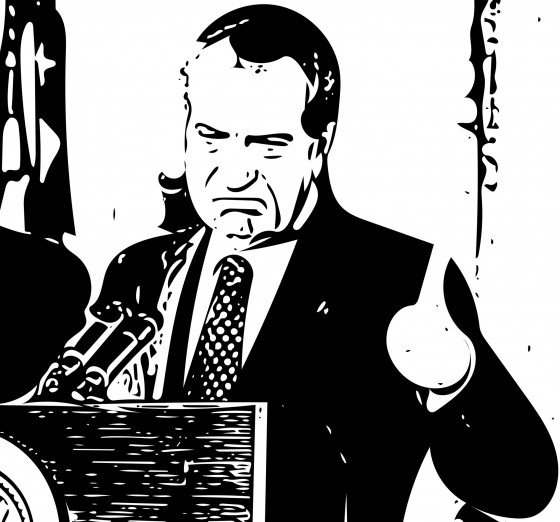
The U.S. Congress overrode President Richard M. Nixon’s veto of the War Powers Resolution on November 7, 1973. This resolution ostensibly limits presidential power to wage war without congressional approval, hence Nixon’s veto. Nowadays, however, it is often referred to as the expansive terms for the “Imperial President’s” license to engage in military conduct, and a dereliction of congressional duty to direct the United States’ foreign policy and warfare.
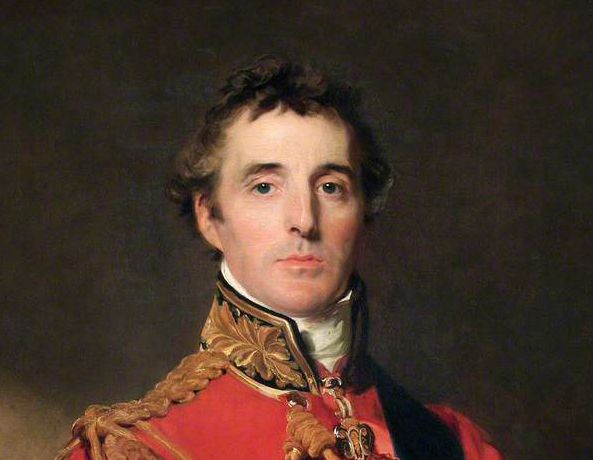
All the business of war, and indeed all the business of life, is to endeavour to find out what you don’t know by what you do; that’s what I called ‘guessing what was at the other side of the hill.’