Beauty is a pledge of the possible conformity between the soul and nature, and consequently a ground of faith in the supremacy of the good.
George Santayana, The Sense of Beauty (1896).
Categories
George Santayana
Beauty is a pledge of the possible conformity between the soul and nature, and consequently a ground of faith in the supremacy of the good.
George Santayana, The Sense of Beauty (1896).

On April 26, 1777, Sibyl Ludington, aged 16, rode 40 miles to alert American colonial forces to the approach of the British. Her ride was over twice as long as Paul Revere’s more famous effort.
On the same day in 1805, United States Marines captured Derne under the command of First Lieutenant Presley O’Bannon, an important event in the First Barbary War.
In April 26, 1865, Union cavalry troopers cornered John Wilkes Booth, assassin of President Lincoln, in Virginia, shooting him to death. There was no interrogation.
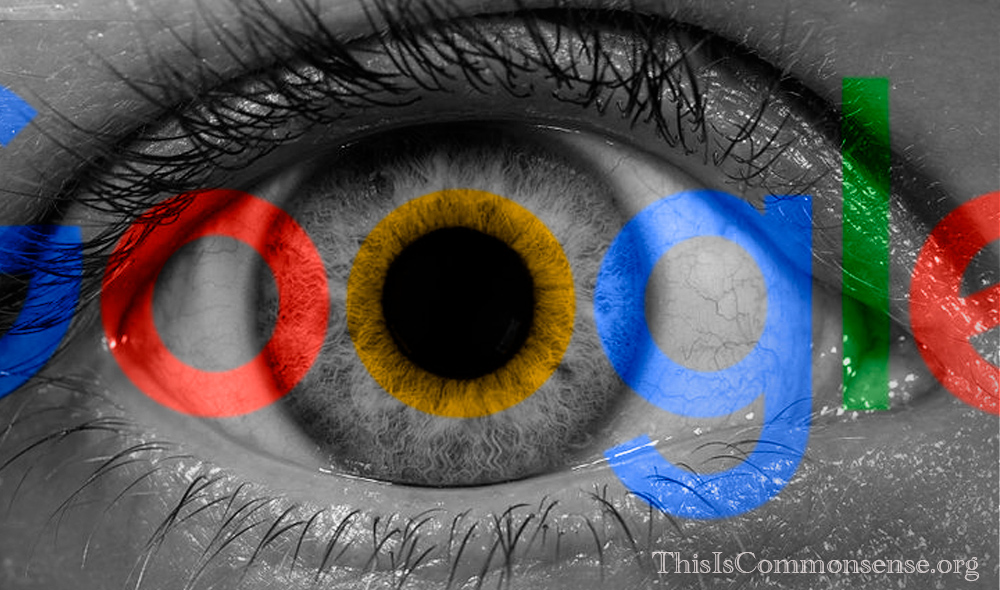
I wrote that in a Common Sense squib entitled “The Online Manipulation of Democracy,” in which I discussed the work of Robert Epstein, a senior research psychologist at the American Institute for Behavioral Research and Technology in California. That was over four years ago. Since then, his research has carried forward, focusing on how “the biggest tech companies influence human behavior, and conducting extensive monitoring projects of bias in these companies’ products, with a particular focus on Google.”
I’m quoting from an article by Masooma Haq and Jan Jekielek, from page A4 of the latest issue of The Epoch Times. In that article, and in an online interview published April 7, we are told how vast this power is — capable of flipping close elections around the world — and how difficult the influencing is to identify.
And that’s not just because Big Tech outfits like Google are sneaky.
Ephemeral events on our screens, like “a flashing newsfeed, a search result, or a suggested video are the ideal form of manipulation,” Epstein argues, “because they aren’t recorded and are hard to document.”
He insists they “affect us, they disappear, they’re stored nowhere, and they’re gone.”
Think about what that means: we don’t know we’re being manipulated, and “authorities can’t go back in time to see what people were being shown,” explains Epstein.
But it’s worse: Google, like many “free” online service companies, started out as a Deep State project.
We shouldn’t be shocked to find that sneaky, evasive, ephemeral manipulation techniques have been pioneered by . . . tax-funded spies.
This is Common Sense. I’m Paul Jacob.
See all recent commentary
(simplified and organized)
See recent popular posts
Make yourself known as a philosopher, that is a free man.

April 25 is celebrated as Freedom Day in Portugal.
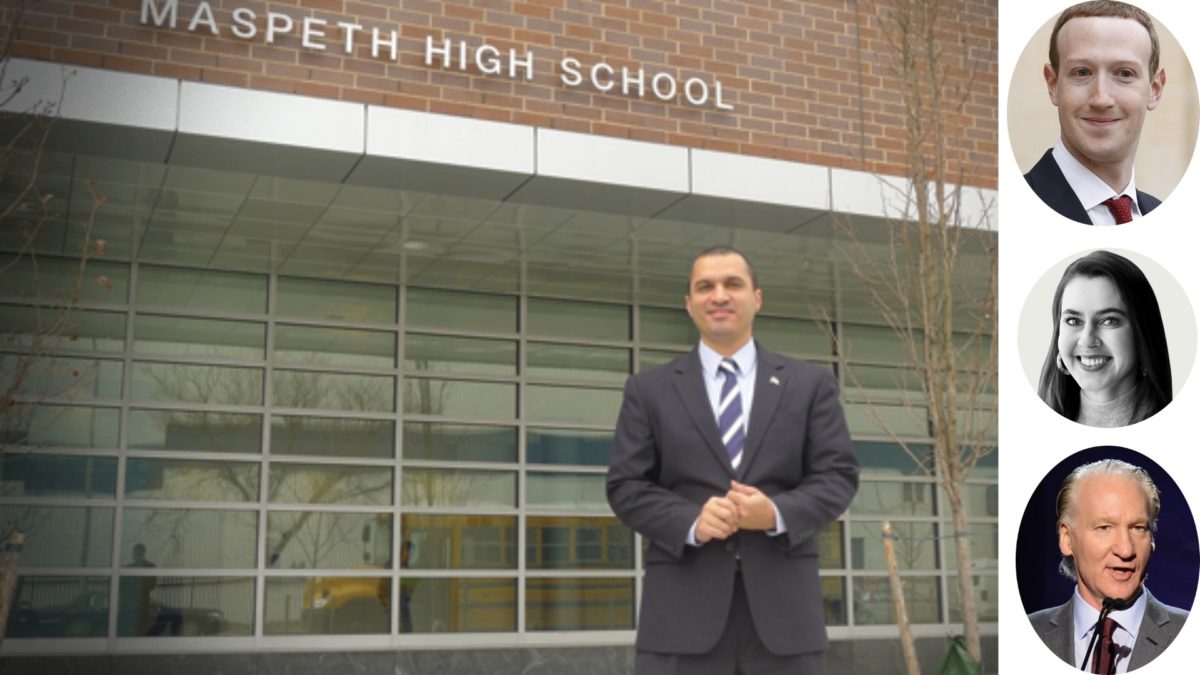
A principal in New York was fired for (how shall we say?) a cavalier attitude towards actual teaching and learning. The point, as he saw it, was merely to pass students through — a scam to get tax money into his budget. He was fired, but given a golden parachute.
Cursèd be his name! (“Khursid” [xʊɾˈʃid] being the excuse for a pun.)
Paul Jacob covers this and other stories from the past week:

If we are going to defend freedom, we have to have to defend ‘two and two equals four.’
David Icke on the Rich in Success podcast.
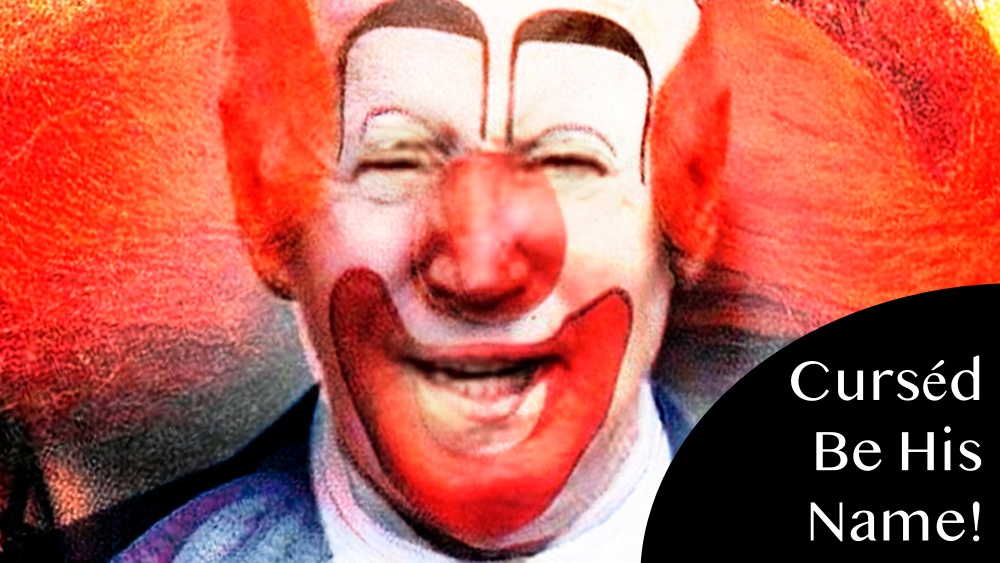
Paul Jacob discusses the big issues of the week, including the principal whose name is and should be cursed, as well as what has been on the Common Sense politics plate this past week:

You don’t comb the mirror, you comb your own hair and the mirror changes.
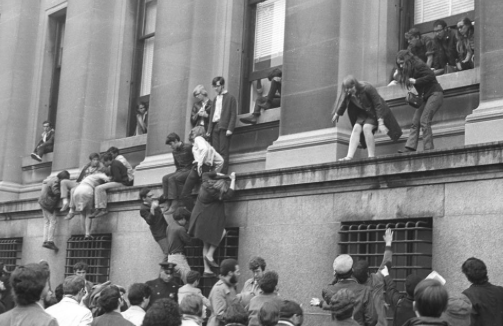
On April 23, 1968, students at New York City’s Columbia University held a demonstration to protest military research and the condemnation of part of the neighboring Morningside Heights section of Harlem to make way for a new student gymnasium. The protest escalated into a week-long occupation of five campus buildings before police moved in. Some 712 students were arrested, and over 100 injured during the forcible eviction. After the university-ordered police response, a student strike shut down the campus for the rest of the semester.