Categories
by Paul Jacob video

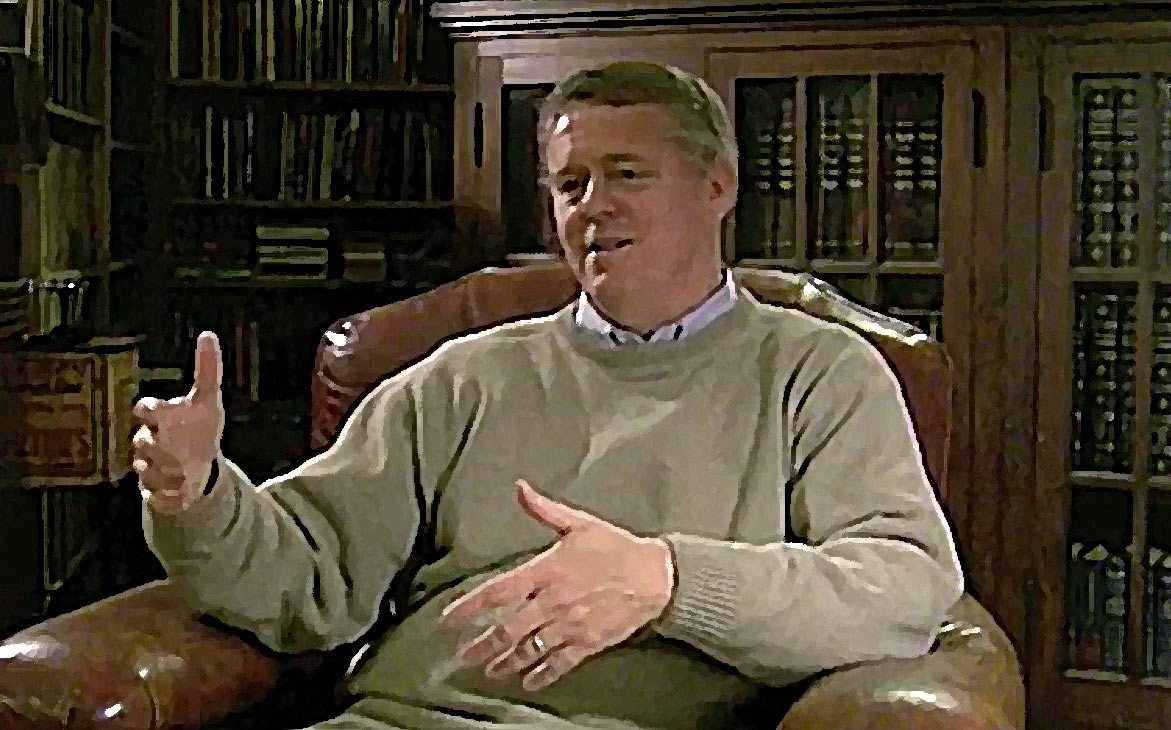
Watch: Not the Person to Ask?

Every weekend, Paul recaps the big stories of the week. As they’ve appeared here on Common Sense with Paul Jacob. But other stories get covered, too. In this case, the death of Queen Elizabeth II, about whom Paul once wrote his most-hated commentary!


The controversial column in question can be found at Townhall.com.

Categories
Accountability Thought

James Mill

The government and the people are under a moral necessity of acting together; a free press compels them to bend to one another.

James Mill, The Edinburgh Review, vol. 18 (1811), p. 121.
Categories
Today

9/11: Ante-, Post-

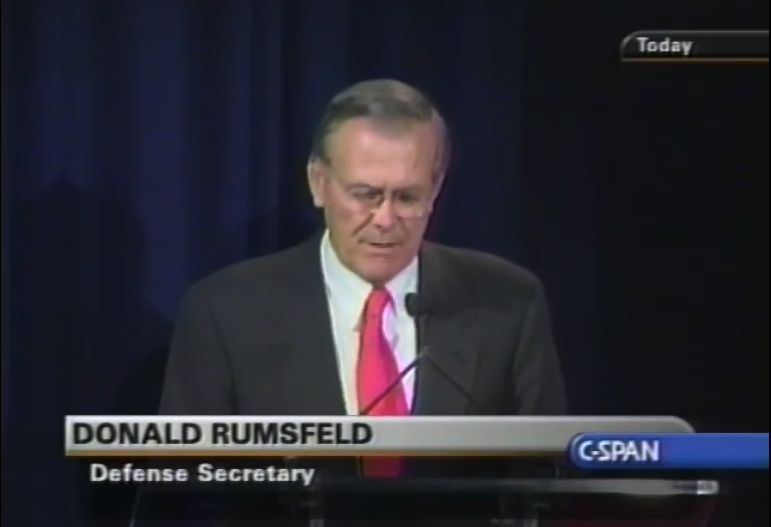
On September 10, 2001, Secretary of Defense Donald Rumsfeld gave a speech about an “adversary that poses a serious threat to the United States of America.” Describing it as “one of the last bastions of central planning, governs by dictating five year plans,” and that “with brutal consistency it stifles free thought and crushes new ideas.”

The adversary? “The Pentagon bureaucracy — not the people, but the processes.” And he went on to state that the Pentagon could not account for more than $2.3 trillion.

The next day, September 11, “some people did something,” in the immortal words of Rep. Ilhan Omar (D-Minn.),* and nearly everybody forgot about Rumsfeld’s alarm. The terrorist attacks on 9/11, in New York and at the Pentagon itself, along with a citizen-led resistance on United Flight 93, resulted in 2,977 fatalities, over 25,000 injuries, and substantial long-term health consequences.

The unaccounted-for spending and receipts of the Pentagon and the Department of Housing and Urban Development increased ten-fold in the next 19 years. It appears to balloon like the federal debt. But we almost never talk about it.


Rep. Omar said these words on March 23, 2019. They were not a hit.

Categories
audio podcast

Listen: Don’t Ask Me! (About the Royals)

Paul’s conclusion to this weekend’s Common Sense wrap-up of the week is at once humble and outrageous.

Categories
Thought

Carl Menger

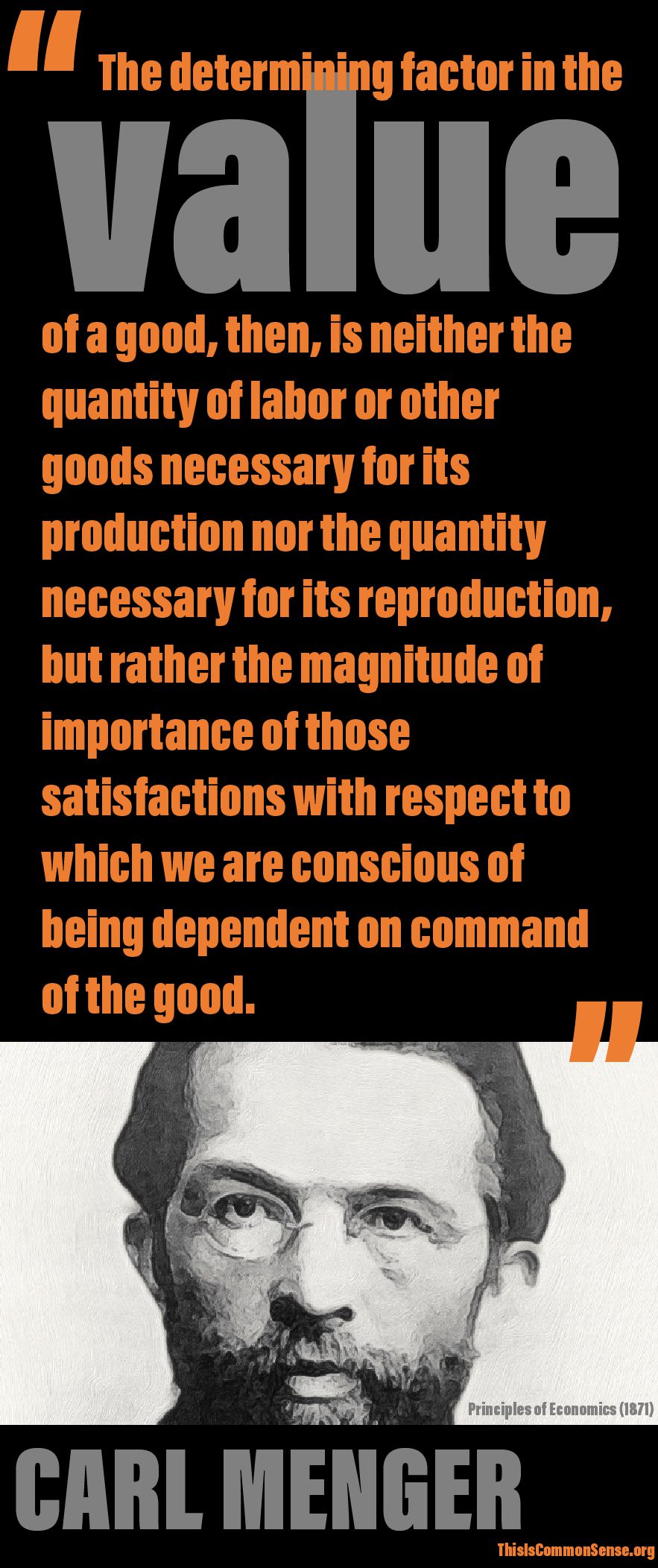
The determining factor in the value of a good, then, is neither the quantity of labor or other goods necessary for its production nor the quantity necessary for its reproduction, but rather the magnitude of importance of those satisfactions with respect to which we are conscious of being dependent on command of the good. This principle of value determination is universally valid, and no exception to it can be found in human economy.

Carl Menger, Principles of Economics (1871; English translation, 1950), chapter III, “The Theory of Value.”
Categories
Today

Smith Wins

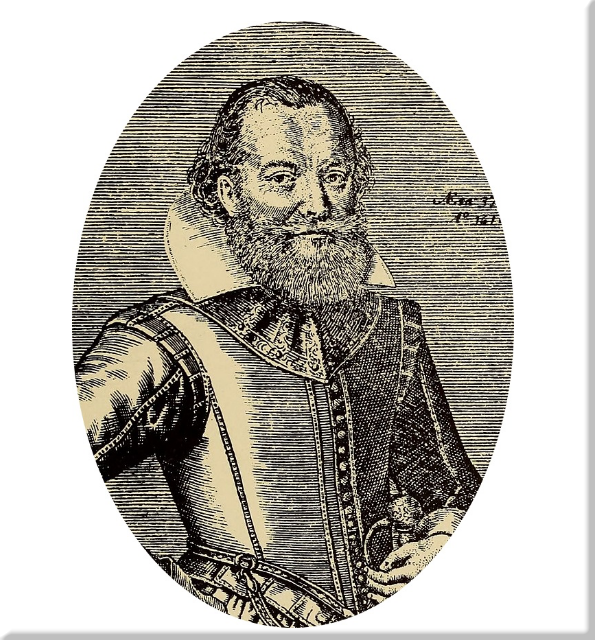
On September 10, 1608, John Smith was elected council president of Jamestown, Virginia.


On September 10, 2001, Secretary of Defense Donald Rumsfeld gave a speech about an “adversary that poses a serious threat to the United States of America.” Describing it as “one of the last bastions of central planning, governs by dictating five year plans,” and that “with brutal consistency it stifles free thought and crushes new ideas.”

The adversary? “The Pentagon bureaucracy — not the people, but the processes.” And he went on to state that the Pentagon could not account for more than $2.3 trillion.

Categories
initiative, referendum, and recall too much government

SF Scheme Scuttled

The proposed tax was very popular. In San Francisco. It polled at nearly 75 percent in favor. 

But it possessed a fatal flaw. 

And worse.

The fatal flaw? The numbers didn’t add up.

Organizers spent nearly half a million bucks developing and promoting and getting the petition signatures to place Proposition K on this November’s ballot.

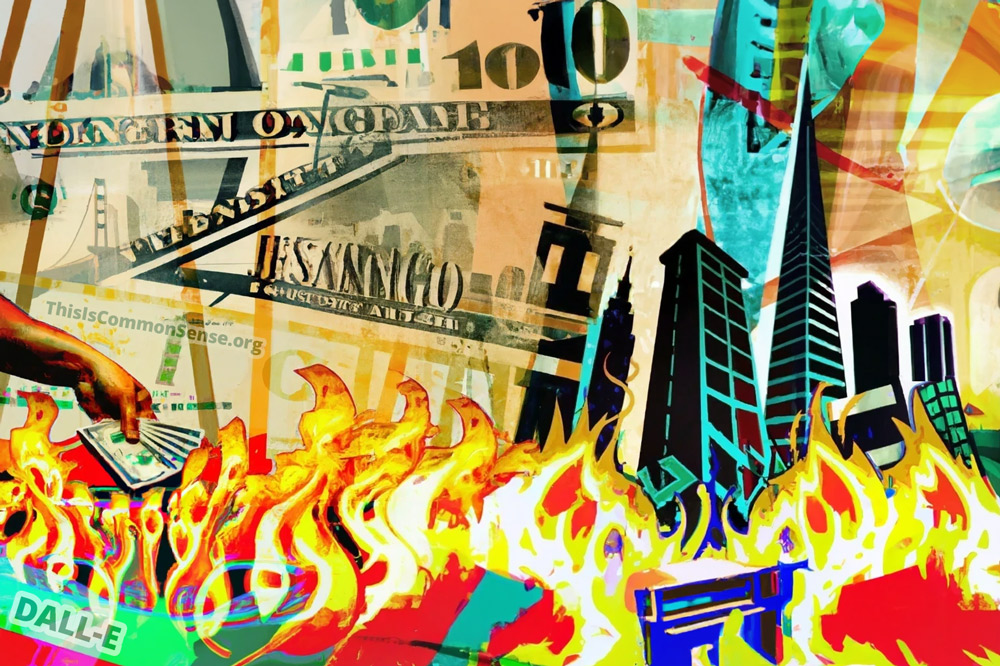
The notion? Tax Amazon sales within city limits to fund a guaranteed income scheme in the Golden City.

But then they learned — after it qualified for the ballot — that it was an incoherent tax-and-spend mess. Its chief pusher, John Elberling, admitted, reports The San Francisco Standard, that “he made mistakes in calculating how Amazon earns its revenue in the city.” And, The Standard continues, “the City Controller’s office found that the tax measure would actually harm hundreds of small businesses in San Francisco and cut revenue to the city’s general fund by about $10 million a year.”

So Elberling ate crow, admitting to error (and also, apparently, to misleading petition signers), and a judge removed Prop K from the ballot.

Whew. Disaster averted.

Alas, Elberling promises to “perfect” his scheme, and advance it again.

Which is ominous, for the core idea itself — adding on more taxes to fund a trendy-but-disastrous “guaranteed income” — is not the way out of California’s progressive-induced nightmare. It’s just a vastly bigger version of what’s gone on before.

If Californians don’t develop more common sense about the limitations of salvation-by-government, they are doomed to repeat such folly.

That goes double for San Franciscans.

Who this time have a reprieve, thankfully.

This is Common Sense. I’m Paul Jacob.


PDF for printing

Illustration created with DALL-E

See all recent commentary
(simplified and organized)
See recent popular posts
Categories
Thought

James Mill

It never ought to be forgotten, that, in every country, there is ‘a Few,’ and there is ‘a Many’; that in all countries in which the government is not very good, the interest of ‘the Few’ prevails over the interest of ‘the Many,’ and is promoted at their expence. ‘The Few’ is the part that governs; ‘the Many’ the part that is governed.

Categories
Today

Leo Tolstoy

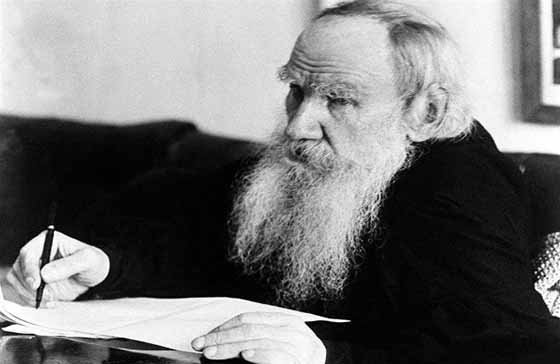
On September 9, 1828, Count Lev Nikolayevich Tolstoy was born. Known most commonly in the English-speaking world as Leo Tolstoy, he became the celebrated author of the novels Anna Karenina and War and Peace, as well as the novellas and short stories such as “Family Happiness,” “The Death of Ivan Ilyich,” and “The Kreutzer Sonata.”

His political and religious ideas heavily influenced Gandhi and Martin Luther King, Jr.

Tolstoy died in 1910.

Categories
First Amendment rights Internet controversy social media

Collusion!

Yes. Active collaboration every step of the way.

Material produced during the discovery phase of a lawsuit accusing the Biden administration of censorship is confirming what was already obvious: Big Tech’s ongoing censorship of social-media opinion about the pandemic has been undertaken largely at the behest of government.

A few of the emails confirming this:

  • April 16, 2021. Twitter emails White House officials about briefing them on “vaccine misinformation.”
  • July 16, 2021. Facebook emails the surgeon general that “our teams met today to better understand the scope of what the White House expects from us on misinformation going forward.”
  • July 23, 2021. The Facebook official tells HHS how Facebook will be “increasing the strength of our demotions for COVID and vaccine-related content that third party fact-checkers rate as ‘partly false’ or ‘missing context.’ ”

There’s mucho mas where that came from.

The public does not yet possess the requested documents from the Department of Justice of communications between DOJ officials and social-media officials. Getting those has been like pulling teeth. Why? Chances are 99.999 percent that they’ll only further confirm our thesis that over the last few years (at least) the federal government has been routinely violating the freedom of speech protected by the First Amendment. 

To do so, it delegates the job of gagging people to private firms in order to pretend that the coercive power of government is not itself being used to gag people. 

But marching orders are marching orders.

This is Common Sense. I’m Paul Jacob.


PDF for printing

Illustration created with DALL-E

See all recent commentary
(simplified and organized)
See recent popular posts