August 18, 1590, John White, the governor of the Roanoke Colony, returned from a supply trip to England only to find his settlement deserted. The cryptic word “CROATOAN” was found carved into the palisade of the deserted camp.
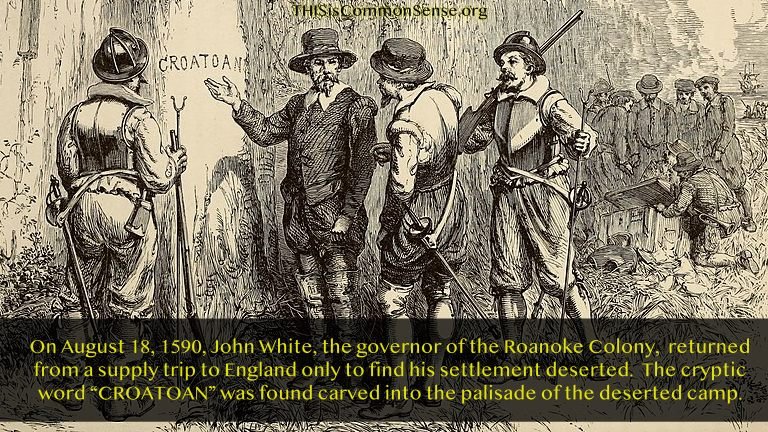
August 18, 1590, John White, the governor of the Roanoke Colony, returned from a supply trip to England only to find his settlement deserted. The cryptic word “CROATOAN” was found carved into the palisade of the deserted camp.
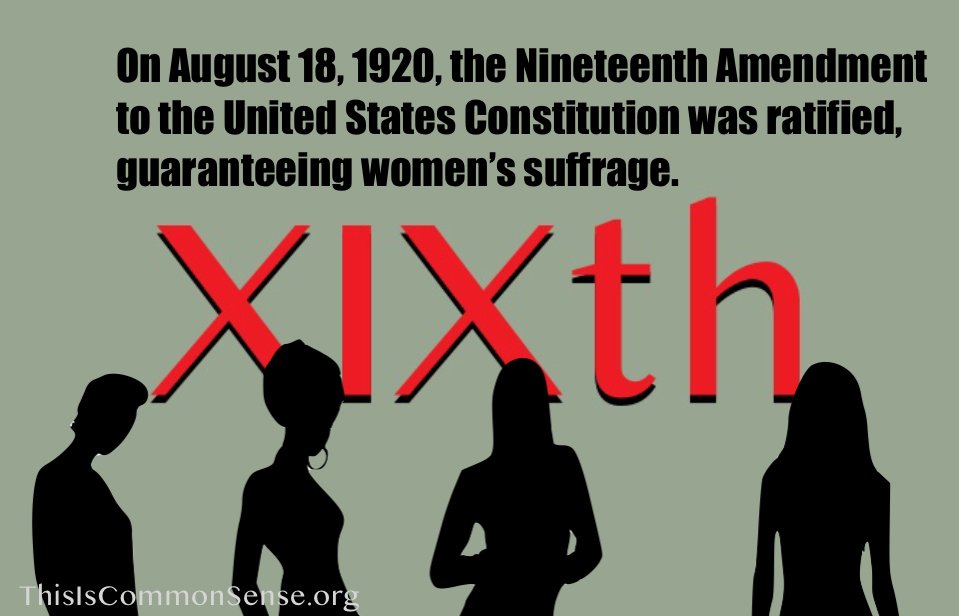
On August 18, 1920, the Nineteenth Amendment to the United States Constitution was ratified, guaranteeing women’s suffrage.

The tale is repeated every day. A skeptic of the federal government questions a purported fact and is told he is an awful person for believing “alternative facts” or “denying reality.” But how much of our social reality is curated for us? How much is fake? How much of official, government-stamped and -indexed reality is false?
Take crime. President Trump has federal forces taking over the Dysfunction of Columbia — that is, placed the National Guard on the streets, to cut down on crime. Crime in the imperial city is an embarrassment, Trump says — and many agree: visitor and resident and neighbor alike. But the newspapers and news readers on TV say that “Akshually, crime has been down for two years!”
But has it? Really? And if it is down, isn’t it too high? Can we trust the stats?
For example, one way to get lower crime stats is to disengage the police from actual crime, or even effectively de-criminalize crimes against property, as in many cities around the country.
The question of reliability of statistics came up in a recent Trump firing:
Donald Trump fired the head of the Bureau of Labor Statistics, Erika McEntarfer, after she reported weaker-than-expected job growth figures, which he claimed were “rigged” for political purposes. This action raised concerns about the integrity and credibility of U.S. economic data.
Duck.ai ”Search Assist,” August 16, 2025.
We saw a similar response from newspaper headline writers, saying that it is Trump himself who is engendering bad statistics: “Trump firing of statistics chief puts US data credibility at risk, experts warn,” as an early August article in The Guardian put it.
When two sides call each other the same bad thing, it makes it hard to judge. But sometimes we can make good guesses.
There is no small amount of evidence, after all, that much of our social reality has been faked to some degree. Tim Pool suggests that the hit USAID took from DOGE did in progressive media; reputations fell as bots were liquidated and dark money sources evaporated:
As has been discussed by Paul Jacob in these pages, USAID played a vast shell game, distributing fortunes to NGOs and other “non-government” institutions without requiring any accounting. And all that money could indeed have been used to support a dying cause — and radicalizing a minority of moonbats in the process.
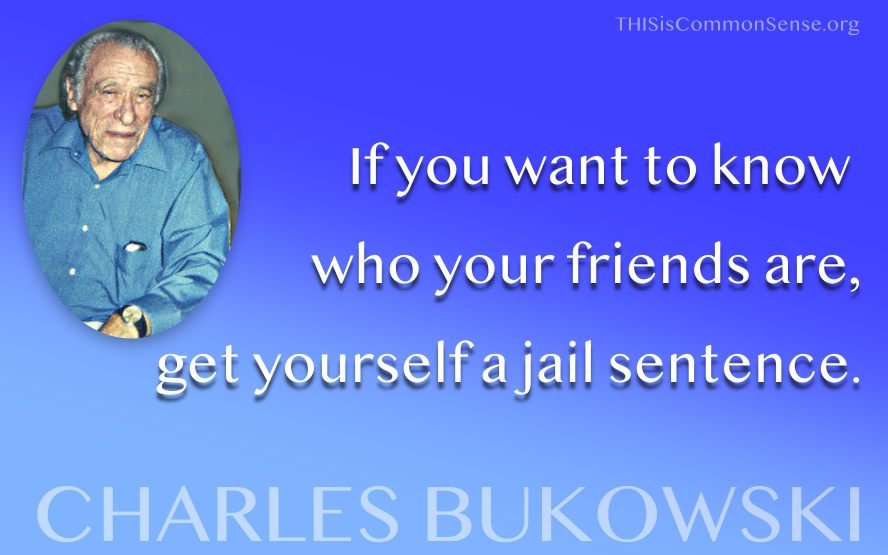
If you want to know who your friends are, get yourself a jail sentence.
Charles Bukowski, Notes of a Dirty Old Man (1969).
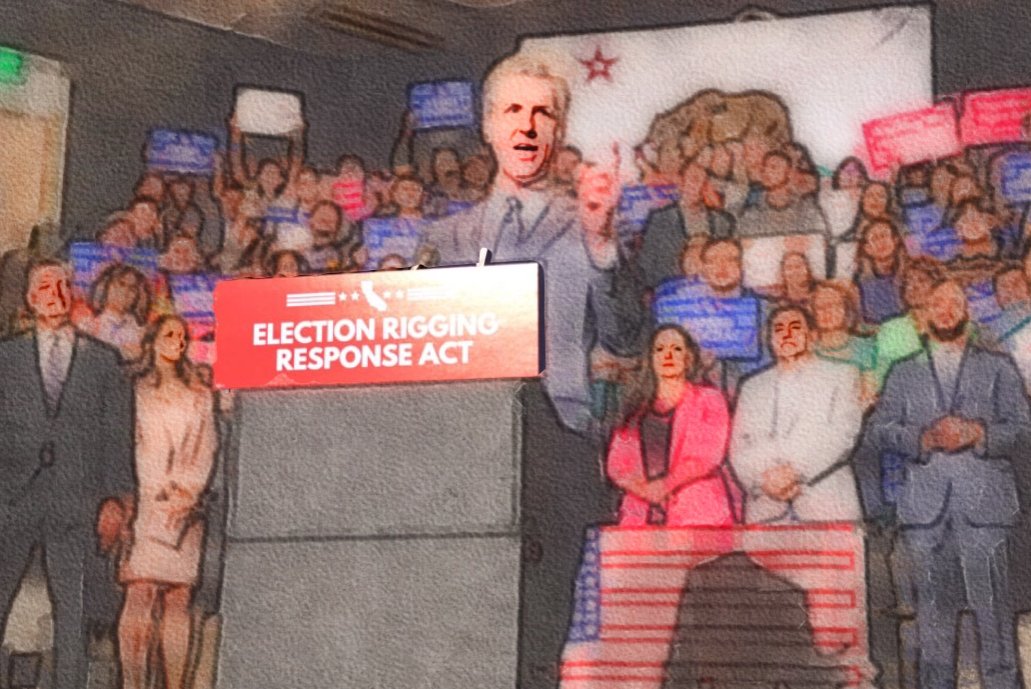
Note to comedians: there’s a rich vein here.
As Paul Jacob discussed on August 5th, Texas’s bold redistricting plan is causing a furor among Democrats. The latest is especially funny, but we’ll let you supply the jokes:
On Aug. 14, California Gov. Gavin Newsom called for his state to hold a referendum to redraw the state’s congressional maps, marking an escalation in the ongoing, nationwide districting battles between Republicans and Democrats.
“We’re putting the maps on the ballot, and we’re giving the power to the people,” Newsom announced at an event in Los Angeles, saying that the vote would be held on Nov. 4.
The referendum would be a vote to approve a map to more heavily favor Democrats in California. Given Democrats’ political dominance in the Golden State, it’s likely to pass.
Joseph Lord, “Newsom Calls Special Election to Redistrict California Congress Seats—What to Know,” The Epoch Times (August 15, 2025).
For a historical perspective, consult Brion McClanahan:
This historian understands the comic element here.
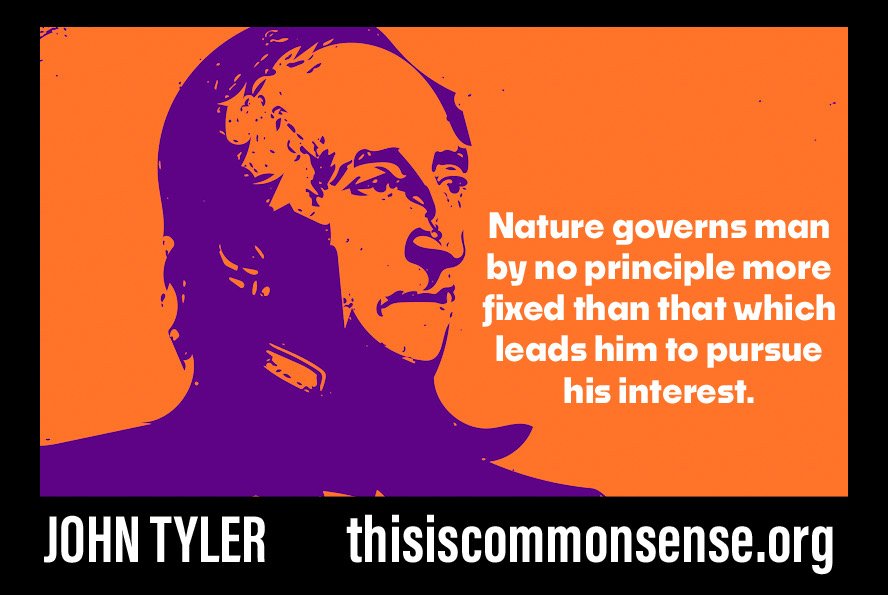
Nature governs man by no principle more fixed than that which leads him to pursue his interest.
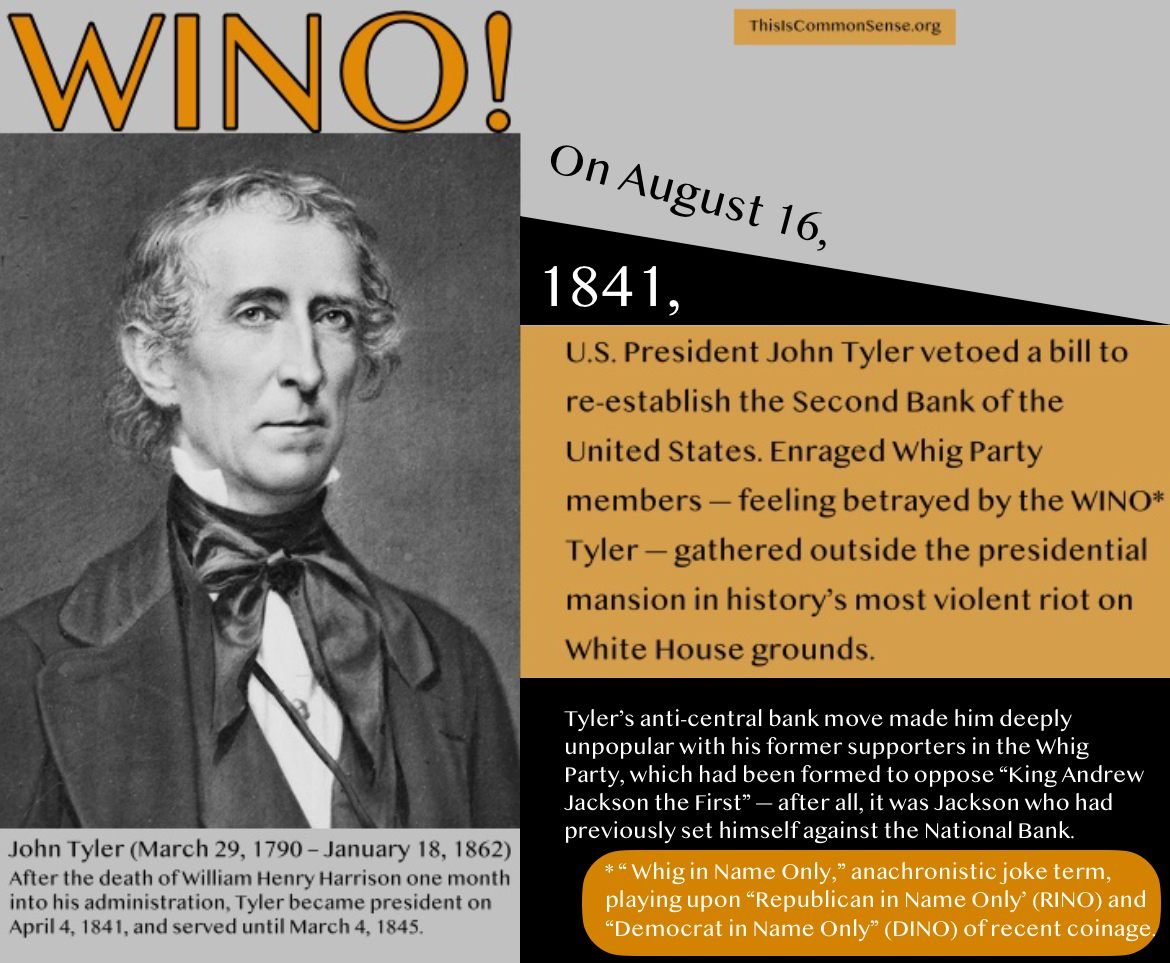
On August 16, 1841, U.S. President John Tyler vetoed a bill to re-establish the Second Bank of the United States. This made him deeply unpopular with his former supporters in the Whig Party — which was the party of “internal improvements” as well as an anti-Jacksonian party, and Andrew Jackson had previously set himself against central banking. It is apparent that Tyler did this because he had come to believe a central bank was unconstitutional.
We have a central bank, now, of course. It is called the Federal Reserve.

On-target as far as debanking by banks goes.
But Reclaim the Net notes a glaring omission. The order’s identifies financial institutions willing to blacklist customers for possessing the “wrong” political opinions or missions. (“Wrong” here means not too pro-criminal or pro-terrorist but too constitutionalist, too much in favor of individual rights of the First or Second Amendment variety.)
The problem is that the order says nothing about major payment processors like Visa and PayPal.
Now, perhaps a penumbra of the new regulatory marching orders would influence the policies of the credit-card companies, whose cards are after all typically issued in cooperation with banks. But this is highly uncertain.
And Reclaim the Net thinks that Visa and Mastercard, “the twin tollbooth operators of the global payments highway,” are, like PayPal and Stripe, untouched by Trump’s order. Yet all of these payment processors have in recent years been blacklisting individuals and organizations that the processors happen to disagree with.
The practice goes back at least to the Obama administration, which instructed regulators that it could regard something called “negative public opinion” as a legitimate risk factor.
This doctrine “quickly turned into a permission slip for politically driven account closures.”
The government shouldn’t be issuing such “permission slips” — or implicit instructions — to banks, payment processors, or anybody.
This is Common Sense. I’m Paul Jacob.
Illustration created with Krea and Firefly
See all recent commentary
(simplified and organized)
See recent popular posts
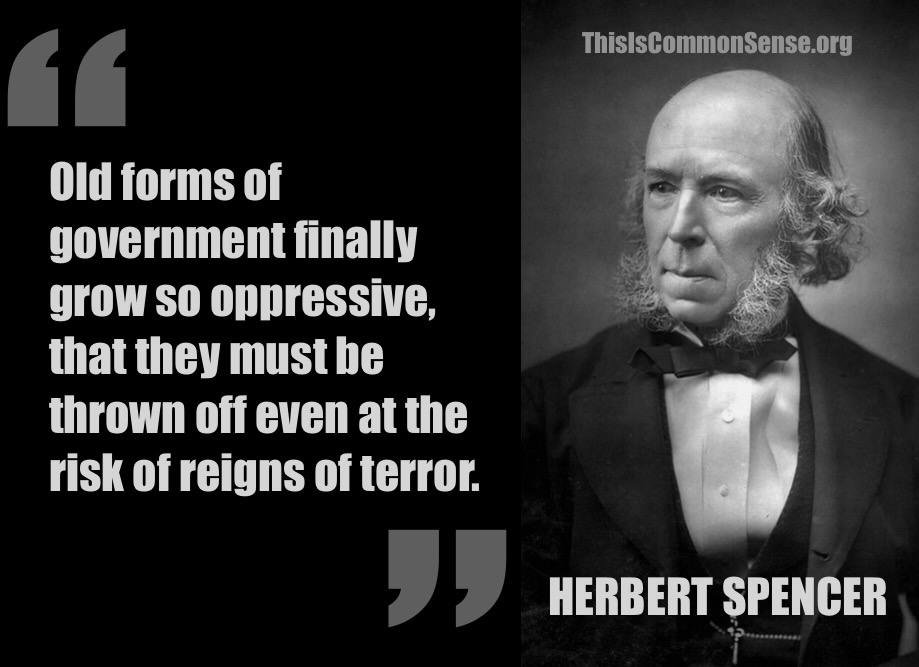
Old forms of government finally grow so oppressive, that they must be thrown off even at the risk of reigns of terror.
Herbert Spencer, “On Manners and Fashion,” The Westminster Review (April 1854).
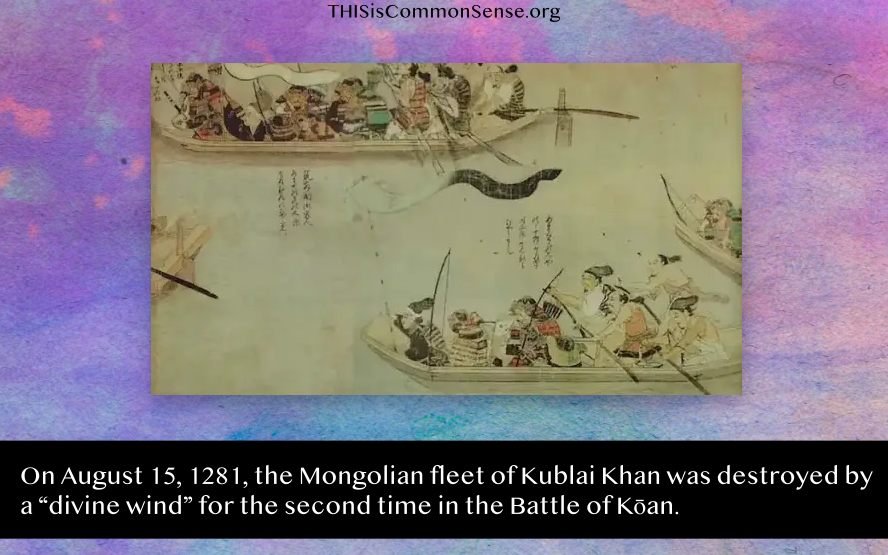
On August 15, 1281, the Mongolian fleet of Kublai Khan was destroyed by a “divine wind” for the second time in the Battle of Kōan.