“Man, when perfected, is the best of animals, but when separated from law and justice, he is the worst of all.”
Aristotle, Politics, Book One.
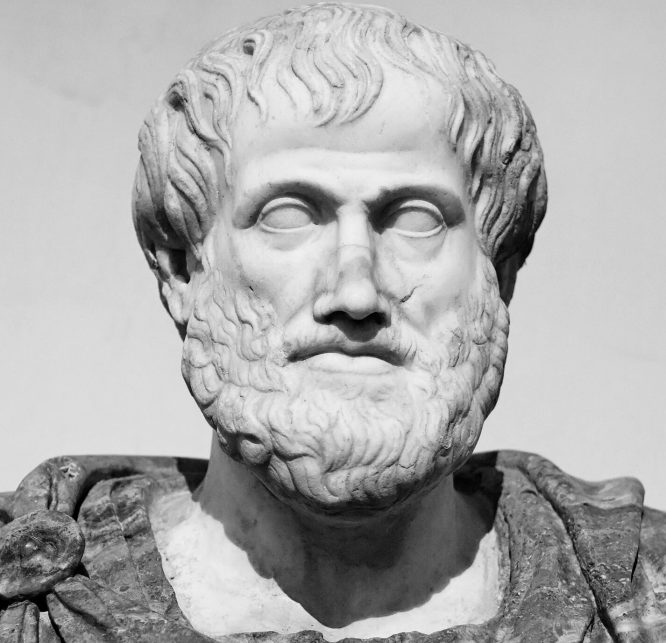
“Man, when perfected, is the best of animals, but when separated from law and justice, he is the worst of all.”
Aristotle, Politics, Book One.
Roman Emperor Nero committed suicide on this day in June, 68 AD, ending Rome’s Julio-Claudian Dynasty, later written about with verve by Suetonius and Robert Graves.
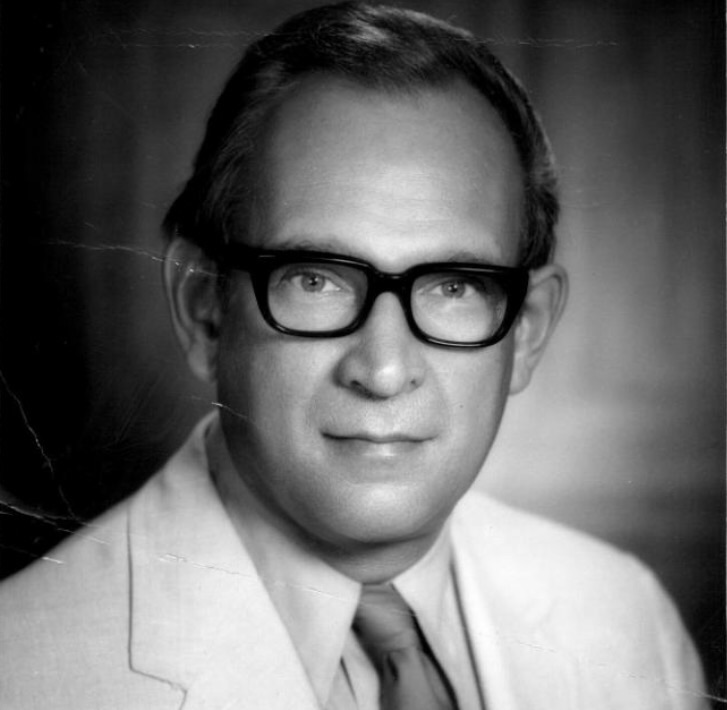
Also on June 9, James Oglethorpe received a charter from the British crown to start the Georgia colony (1732); William Jennings Bryan resigned his position as Secretary of State under Woodrow Wilson, disgusted over the handling of the sinking of the Lusitania (1915); philosopher John Hospers — who would go on to run as a Libertarian candidate for the U.S. presidency in 1972 — was born in 1918 on the ninth of June.
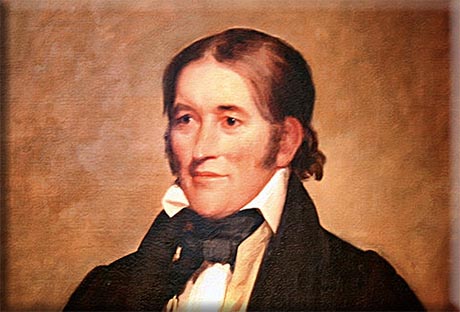
“It was expected of me that I was to bow to the name of Andrew Jackson, and follow him in all his motions, and windings, and turnings, even at the expense of my consciences and judgment. Such a thing was new to me, and a total stranger to my principles. . . . His famous, or rather I should say infamous Indian bill was brought forward and, and I opposed it from the purest motives in the world. Several of my colleagues got around me, and told me how well they loved me, and that I was ruining myself. They said it was a favorite measure of the President, and I ought to go for it. I told them I believed it was a wicked unjust measure, and that I should go against it, let the cost to myself be what it might; that I was willing to go with General Jackson in everything that I believed was honest and right; but further than this, I wouldn’t go for him, or any other man in the whole creation.”
David Crockett, A Narrative of the Life of David Crockett (1834), chapter 17.
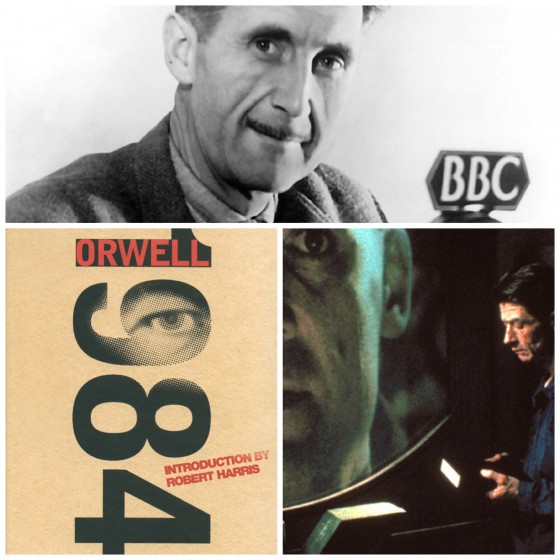
On June 8, 1949, George Orwell’s dystopian novel Nineteen Eighty-Four was published.
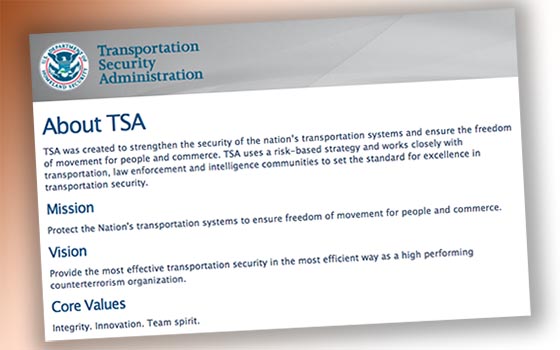
Expanding on thoughts from Friday, this weekend’s Common Sense entry at Townhall.com is more grist for the true security mill, and the case for doing away with the TSA.
Click on over; then come back here for links for further facts and opinion.
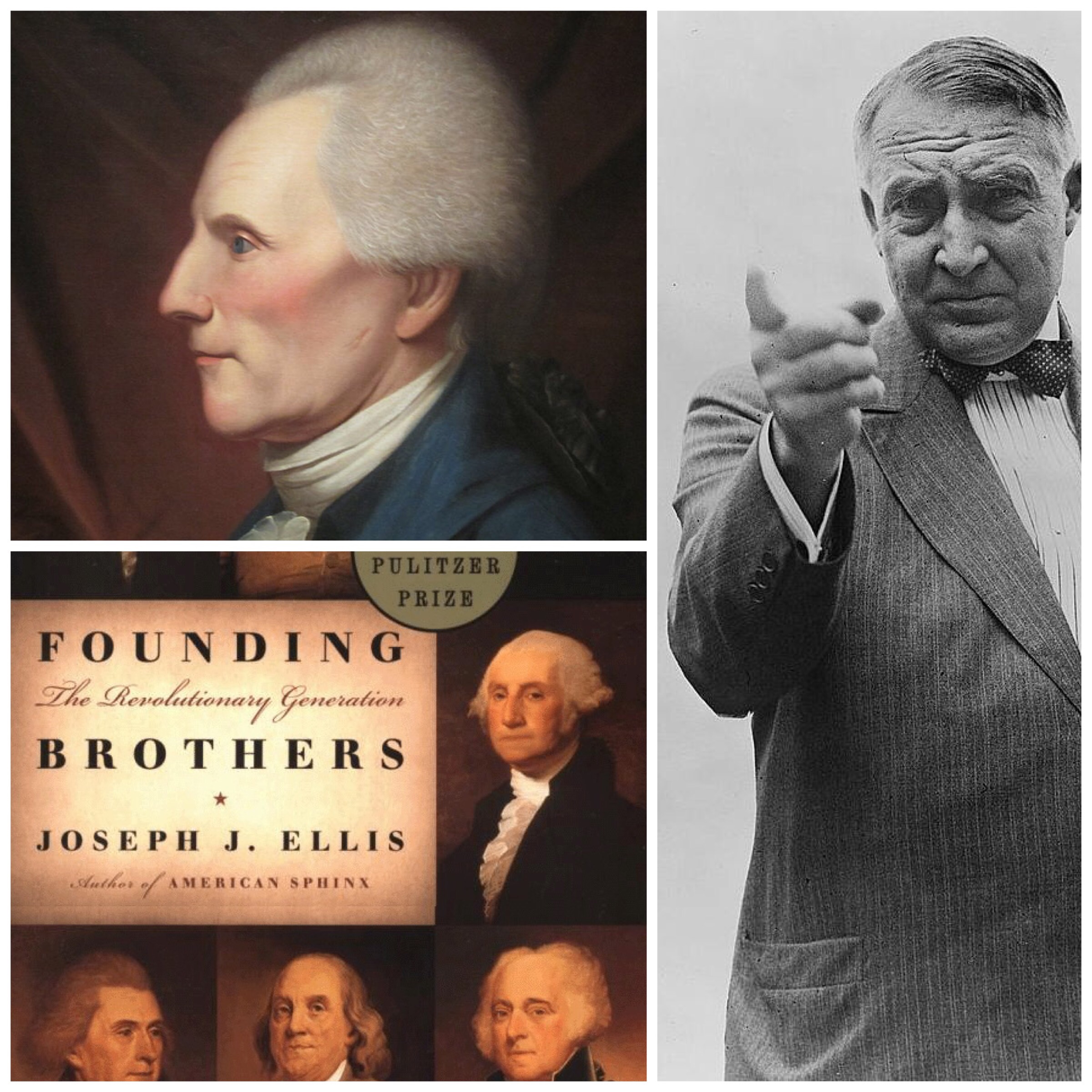
On June 7, 1776, Richard Henry Lee presented the “Lee Resolution” to the Continental Congress. The motion was seconded by John Adams, but was tabled for several weeks. The motion was finally passed on July 2, 1776.
During the 1916 Republican National Convention (June 7 – 10), Senator Warren G. Harding used the phrase “Founding Fathers” in his keynote address . . . and would go on using it in speeches thereafter. It caught on, referring to folks such as Thomas Jefferson and, yes, Richard Henry Lee, who orchestrated the American colonies’ break from England‘s monarchy.
“I leave this rule for others when I’m dead
Be always sure you’re right — THEN GO AHEAD!”
David Crockett, personal motto.
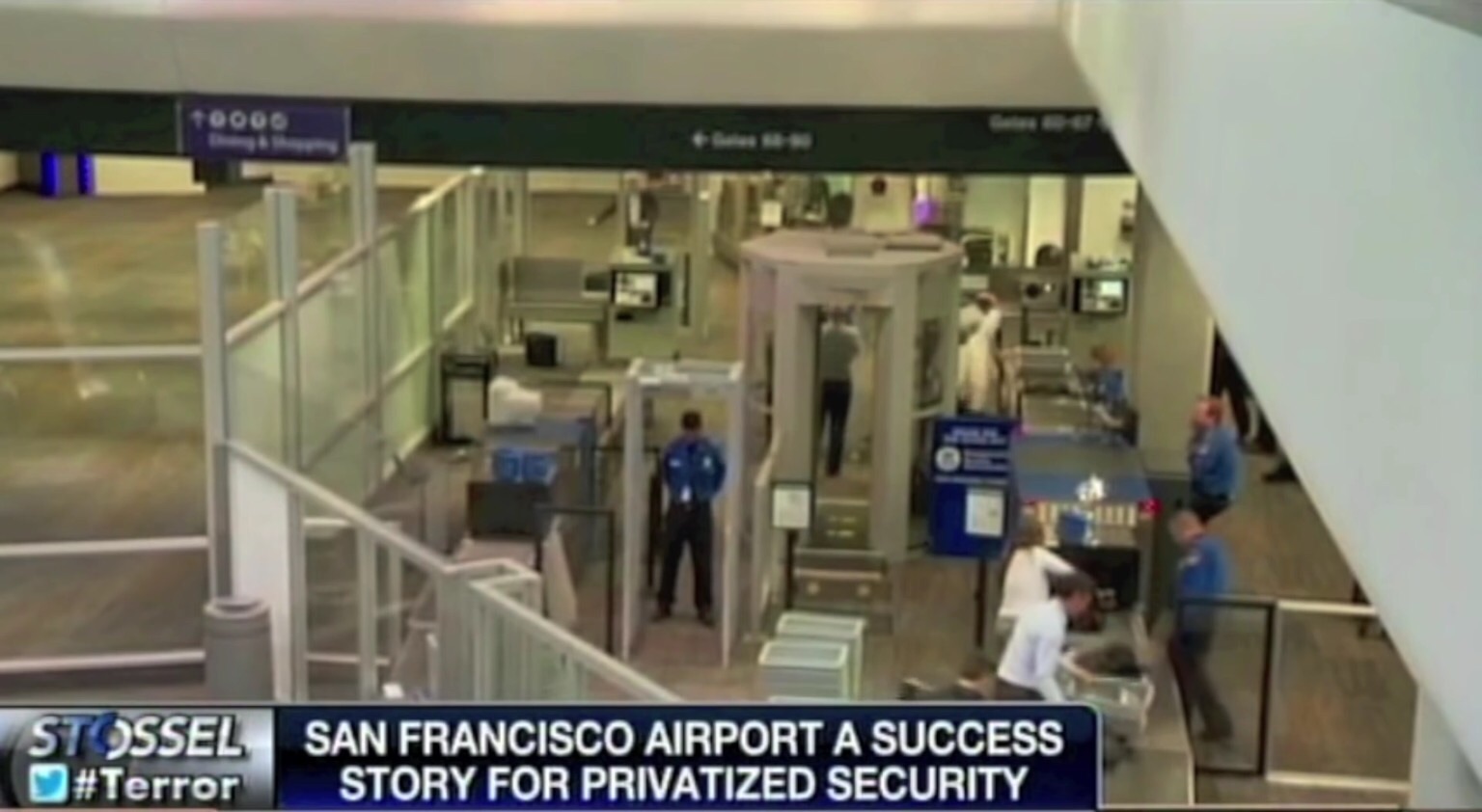
John Stossel, on his terrific Fox Business show, explains how and why switching to private security in airports would be an improvement over the intrusive, prurient, incompetent, wasteful Transportation Security Administration.
As the show explains, airport participation with TSA security is optional: San Francisco has a private service instead, and Orlando contemplates opting for that right now.
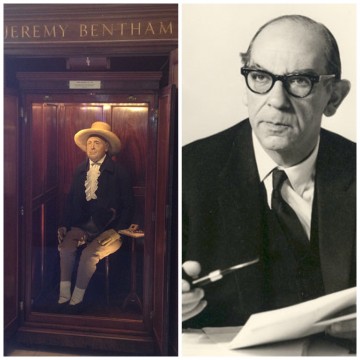
June 6 marks major life events of two eminent British philosophers, Jeremy Bentham’s death (1832) and Isaiah Berlin’s birth (1909). Bentham was known as a “philosophical radical” and a major influence on the British utilitarian tradition. He authored numerous books, including Defence of Usury and An Introduction to the Principles of Morals and Legislation. Berlin was best known for several brilliant essays, including the famous “Two Concepts of Liberty.”
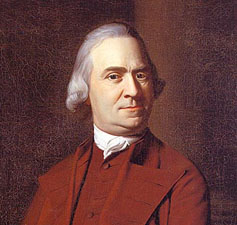
“It is not unfrequent to hear men declaim loudly upon liberty, who, if we may judge by the whole tenor of their actions, mean nothing else by it but their own liberty, — to oppress without control or the restraint of laws all who are poorer or weaker than themselves.”
Samuel Adams, from an essay in The Advertiser (1748).