Categories
Today

Congress on the Run

Lancaster, Pennsylvania — home to James Buchanan, Jr., the 15th president of the United States, and to congressman, abolitionist and “Radical Republican” Thaddeus Stevens — served, during the American Revolution, as the capital of the United States for one day, on September 27, 1777.

This occurred after the Continental Congress fled Philadelphia, which had been captured by the British. The revolutionary government then moved still further away, to York.

Categories
by Paul Jacob video

Watch: The People’s Crusade Won’t Be Led by Those Who Hate the People

Paul Jacob explains his basic take on democracy, defends initiative and referendum rights, and the people’s right to know the truth about COVID . . . and UFOs.

Categories
Today

Shays’ Constitution

On September 26, 1786, protestors shut down the court in Springfield, Massachusetts, beginning a military standoff and ushering in Shays’ Rebellion. This anti-tax revolt spurred a dramatic reaction on the part of the day’s politicians, including their attempts to reform the Articles of Confederation and to figure out better ways than high state taxes to pay off Revolutionary War debts. These efforts directly led to the adoption of a new Constitution.

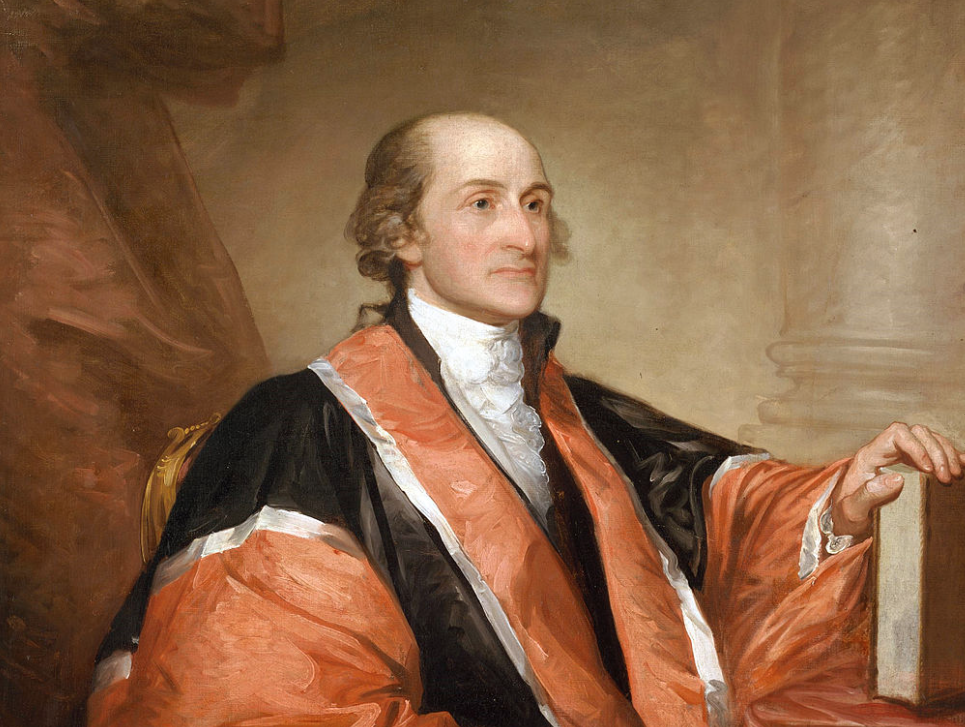
§   Three years later, to the day, Thomas Jefferson was appointed the first United States Secretary of State, John Jay (pictured) was appointed the first Chief Justice of the United States, Samuel Osgood was appointed the first United States Postmaster General, and Edmund Randolph was appointed the first United States Attorney General — all under the new Constitution.

§   In 1960 on this date, John F. Kennedy and Richard M. Nixon engaged in the first televised presidential campaign debates.

§   September 26 is celebrated, by some who know history, as “Petrov Day,” after Stanislav Yevgrafovich Petrov, who on this day in 1983 may have saved civilization by resorting to hunch. While serving as a lieutenant colonel in the Soviet Air Defense Forces, he took the initiative to downgrade information from the USSR’s computerized early warning missile defense system that the United States had initiated a nuclear first strike against the Soviet Union. He interpreted the warning as a false alarm. His hunch was correct; the U.S. had not initiated a first strike: the data he had received was misleading. A later investigation determined it was the result of high altitutde cloud interference with a satelite view of a U.S. Air Force base. Petrov was not rewarded for his decision, however. His decision showed up the military higher-ups and scientists to have concocted an extremely faulty system, so a reward would also have required some sort of punishment. He retired soon after with a very, very small pension.

Petrov died on May 19, 2017.

Categories
audio podcast

Listen: It’s Hard to Crusade for the People If You Don’t Like the People

Free speech, initiative rights, and UFOs — and other things the establishment wants to suppress:

Categories
Today

Augsburg, Bill of Rights

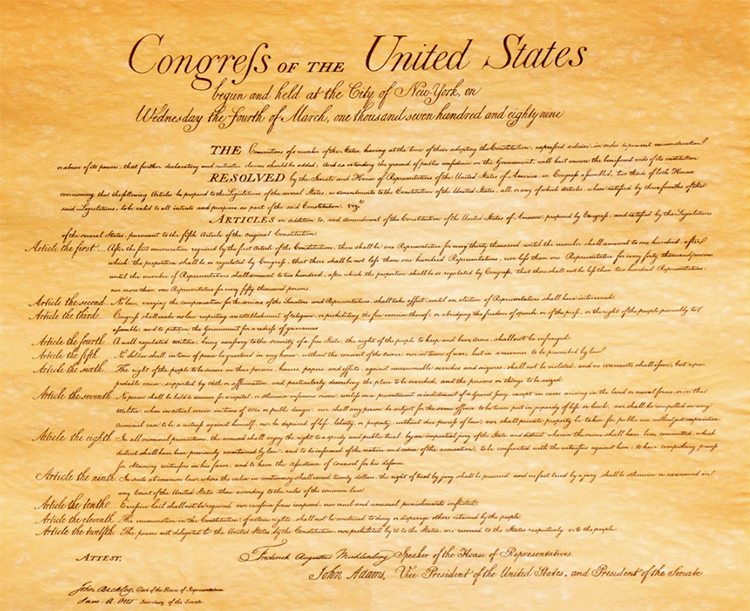
On September 25, 1789, the U.S. Congress passed twelve amendments to the United States Constitution: the Congressional Apportionment Amendment (which was never ratified), the Congressional Compensation Amendment, and the ten that are known as the Bill of Rights.

Earlier on that date, in 1555, the Peace of Augsburg was signed in Augsburg by Charles V and the princes of the Schmalkaldic League.

Categories
Today

Judiciary Act

On September 24, 1789, the United States Congress passed the Judiciary Act, creating the office of the United States Attorney General and the federal judiciary system, and ordered the composition of the Supreme Court of the United States.

On the same day that President George Washington signed the bill into law, he officially nominated John Jay to the new position of Chief Justice of the Supreme Court. Jay (pictured in his official portrait, above) served in that position until 1795, when he resigned to take up his elected position as second governor of the State of New York. The Supreme Court heard only four cases during Jay’s Chief Justiceship; Jay refused to consult, officially, on legislation written by Alexander Hamilton, establishing the precedent that the Supreme Court has followed to this day: the Court would only rule on cases tried before it.

Categories
Today

Sweden minus Norway

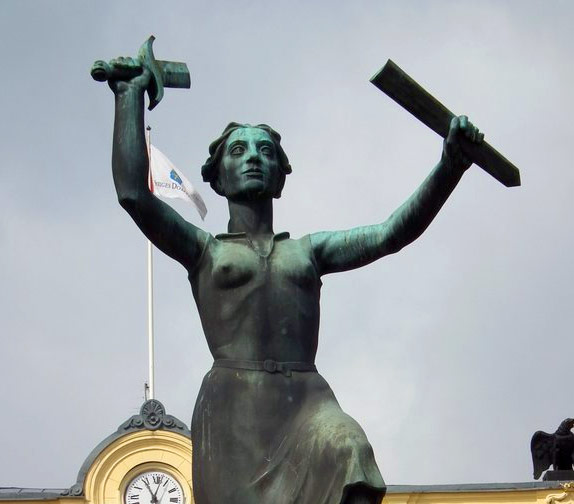
On September 23, 1905, Norway and Sweden signed the “Karlstad treaty,” peacefully dissolving the union between the two countries.

Categories
initiative, referendum, and recall media and media people

Democracy Fail?

“California recall fails,” The Visalla Times Delta explained. As did KSBY, the NBC affiliate in San Luis Obispo. Not to mention The New York Daily News and The Chicago Sun-Times.

FiveThirtyEight analyzed “the failed California recall” at length. Even the South China Morning Post proclaimed the apparent democratic malfunction (reprinting an Agence France-Press report).

Yet the recall did not fail.  

Sure, voters decided not to jettison Governor Newsom mid-term. But that’s not a failure of this century-old democratic check on power — not unless a whole bunch of the 64 percent voting to keep Newsom filled in the wrong oval on their ballot by mistake.

I almost wish that were so; it would be easier to correct going forward.

“In a state famous for its acts of direct democracy,” a New York Times feature informs, “detractors of this year’s special election say the recall process is democracy gone off the rails, a distraction from crises that require the government’s attention, and a waste of hundreds of millions of dollars.”

Some folks never complain about government spending until it comes to the cost of holding an election. Funny, that’s precisely when our money might actually be well spent.

“No one in the state’s Democratic leadership is suggesting the elimination of recalls,” The Times notes, merely “vowing to make it more difficult for them to qualify for the ballot.”

In other words, legislators intend to raise the cost . . . so as to fight wealthy interests, they’ll argue. With a straight face.

“In a sharp piece of political irony,” that Times’ piece bemoans, “it will take a referendum to decide whether to change this particular referendum.”

Which is a feature of the system, not a bug. That is, no fail there

This is Common Sense. I’m Paul Jacob.


PDF for printing

See all recent commentary
(simplified and organized)
See recent popular posts

Categories
Today

Emancipation Proclaimed

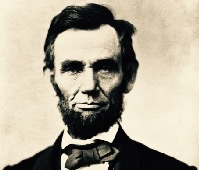
On September 22, 1862, U.S. President Abraham Lincoln issued a preliminary proclamation that he would order the emancipation of all slaves in any state of the Confederate States of America that did not return to Union control by January 1, 1863. None returned, and the subsequent order, signed and issued January 1, 1863, took effect except in locations where the Union had already mostly regained control.

Categories
Today

Santa Claus

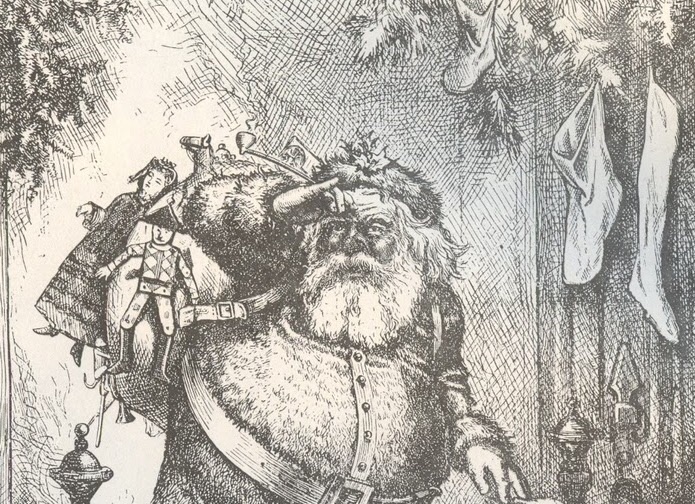
On September 21, 1897, the “Yes, Virginia, there is a Santa Claus” editorial was published in the New York Sun. Note how long before Christmas this is. The Christmas season has long been a long affair.