Categories
Today

Arrest; Resignation

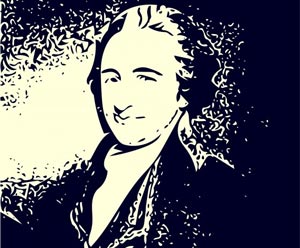
On December 28, 1793, Thomas Paine was arrested in France for treason, after being tried (and convicted) in absentia on December 26. Prior to moving to France, Paine had been an instrumental figure in the American Revolution as the author of Common Sense. Paine then moved to Paris to help along the French Revolution, but the chaotic political climate turned against him. Paine had not earned friends in the Revolution with his vocal opposition to capital punishment.

“During the whole of my imprisonment,” Paine later wrote, “prior to the fall of Robespierre, there was no time when I could think my life worth twenty-four hours, and my mind was made up to meet its fate. The Americans in Paris went in a body to the convention to reclaim me, but without success.”

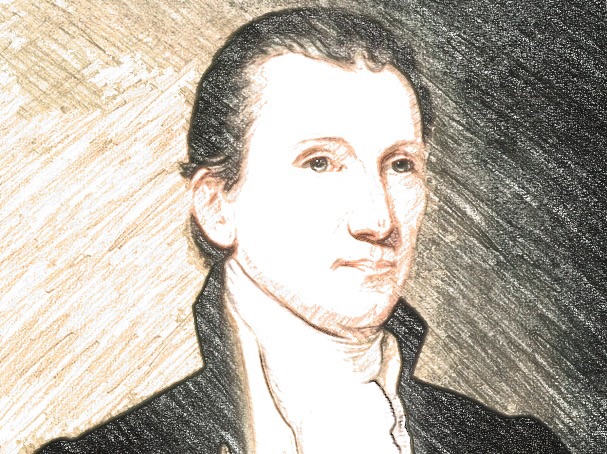
Paine’s imprisonment in France caused a general uproar in America. Future President James Monroe used all of his diplomatic connections to get Paine released in November 1794.

With the publication of Paine’s secular tract, The Age of Reason — a great part of which he wrote in French prison — the American population turned against him, and he died penniless in New York in 1809.


On this date in 1832, John C. Calhoun resigned as Vice President of the United States, the first to do so.
Categories
Today

First, First, First

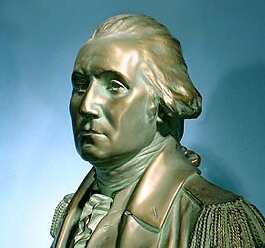
Henry Lee III’s eulogy to George Washington in Congress declared the former general and president to be “first in war, first in peace and first in the hearts of his countrymen.” Washington had died on December 14th, 1799, and Lee’s eulogy took place twelve days later.

Categories
Today

Greek Monarchy Ended

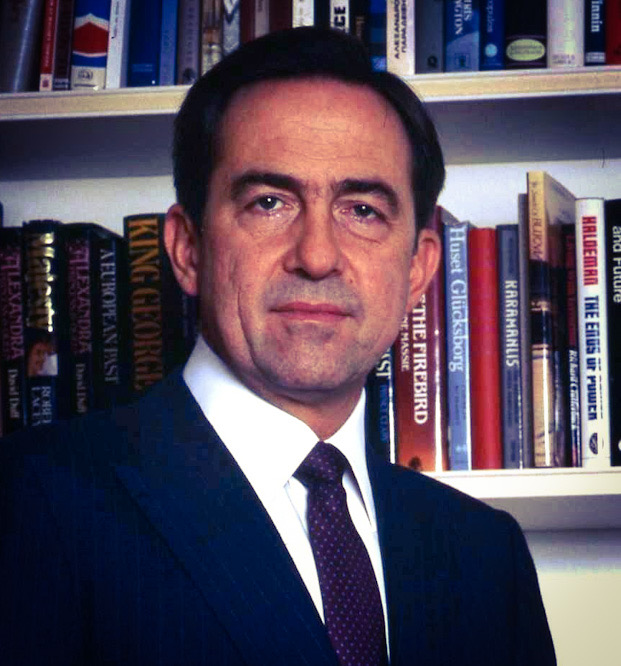
On December 8, 1974, a plebiscite finalized the abolition of the monarchy in Greece. The last Greek king, Constantine II, had ceased any royal pretensions while in exile on June 1. The December referendum was something of a formality.

Categories
Today

Monroe Doctrine

On December 2, 1823, U.S. President James Monroe delivered a speech establishing American neutrality in future European conflicts. The policy became known as the Monroe Doctrine.

Though a much-discussed principle of American foreign policy, it was undermined by the Spanish-American War and proved a dead letter as the U. S. entered World War I.

Categories
Today

JFK

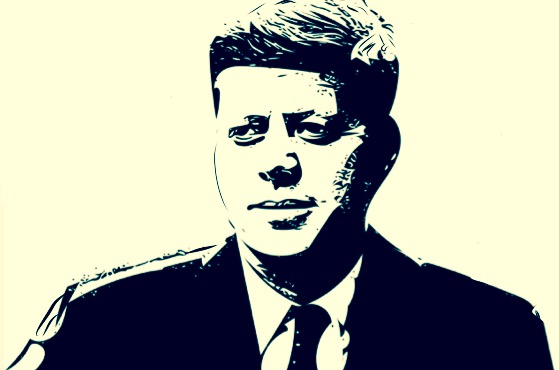
Montana was admitted into the United States federal union as the 41st state on November 8, 1889. On the same date in 1960, John F. Kennedy defeated Richard Nixon in one of the closest presidential elections of the 20th century, becoming the 35th president of the United States.

Categories
Today

Times for Choosing

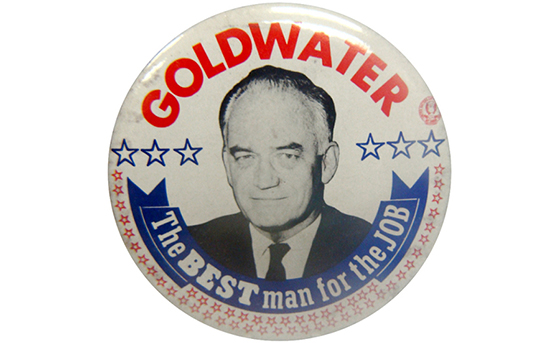
On October 27, 1964, Ronald Reagan delivered a speech on behalf of Republican candidate for the United States Presidency, Barry Goldwater, thereby launching Reagan’s political career. The speech came to be known as “A Time for Choosing.”

Two years earlier, Vasili Arkhipov, a flotilla commander present on the Soviet Foxtrot-class submarine B-59 in the Caribbean sea, defied the order of the sub’s captain, Valentin Savitsky, to launch a nuclear device. The captain had concluded that war had started while the submarine had been submerged. He had inferred this from the depth charges that American ships had deployed in order to force the submarine to the surface during the Cuban Missile Crisis. Captain Savitsky, seeking the necessary approval of two others on board, ordered political officer Ivan Masslenikov and the flotilla commander Vasili Arkhipov to launch a nuclear torpedo.

Masslenikov agreed. Arkhipov refused.

The date was October 27, 1962, and World War III was prevented by this one man, Arkhipov, who held his ground while facing the increasing anger of the submarine commander, refusing to approve a nuclear torpedo launch that would most almost certainly have triggered a conflict that would have doomed civilization, perhaps most or all of humanity.

That, we can now agree, was a “time for choosing” — and the correct choice was made.

Categories
Today

A Revolution Remembered

October 11, 1890, marks the founding of the Daughters of the American Revolution.

On the same date in 1976, President Gerald R. Ford approved a congressional joint resolution Public Law 94–479 to appoint, posthumously, George Washington to the grade of General of the Armies of the United States, as part of the bicentennial celebrations.

John J. Pershing (1860 – 1948) is the only other American to attain this high title, and the only one to achieve it while alive.

Categories
Today

George Mason

On October 7, 1691, the charter for the Province of Massachusetts Bay was issued.

Also on a seventh day of the tenth month, King George III issued the Royal Proclamation of 1763, which closed Indigenous lands in North America north and west of the Alleghenies to white settlements.


On October 7, 1792, George Mason — “The Father of the Bill of Rights” — died. He had drafted the Virginia Declaration of Rights in 1776, and, at the time of the drafting and ratification of the Constitution, had insisted on the addition of articles to solidify state’s and individual rights within the new order.

George Mason (pictured) has been honored in numerous ways, including by the United States Postal Service with an 18¢ Great Americans series postage stamp; a bas-relief in the Chamber of the U.S. House of Representatives as one of 23 honoring great lawmakers; and with an annual award named for him presented to a person who has made significant, lasting contribution to the practice of journalism in the Commonwealth, awarded by the Society of Professional Journalists, Virginia Pro Chapter.


On October 7, 2003, California Governor Gray Davis was recalled and Arnold Schwarzenegger voted into Davis’s previous gubernatorial spot.

Categories
Today

William Tyndale

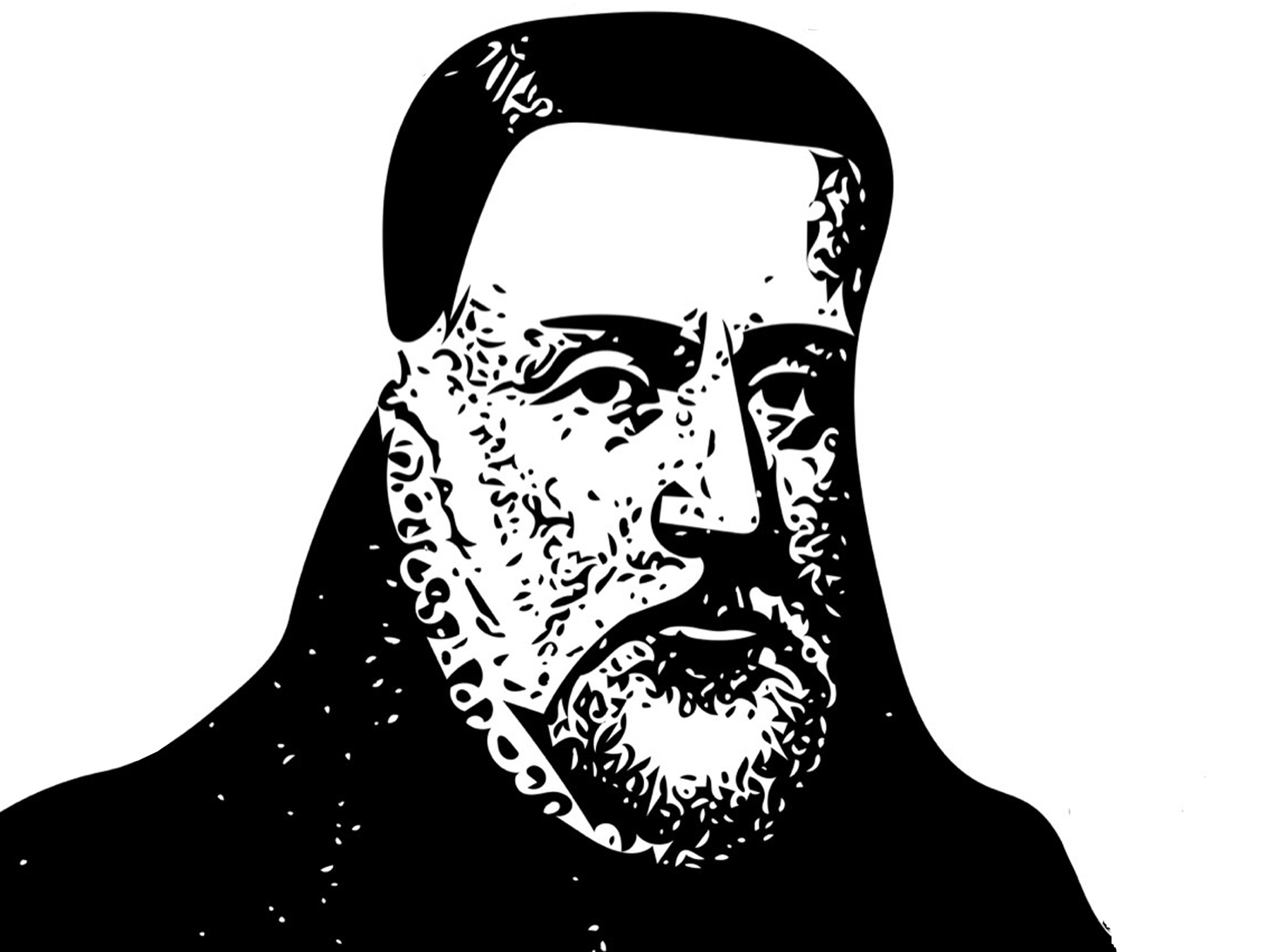
October 6 is the traditional date commemorating the martyrdom of William Tyndale, in 1536.

Tyndale translated the New Testament and much of the Old into the English of his day, and in the process added more new words into the English language than any other single wordsmith, with the possible exception of Shakespeare. He also laid the ground for the later, and more famous, King James (“Authorized”) Edition of the Bible.

Among his memorable coinages and turns of phrase coined as translations from Hebrew and Greek into English include

  • Passover (constructed from the Hebrew Pesach or Pesah)
  • scapegoat
  • a moment in time
  • the powers that be
  • the salt of the earth
  • a law unto themselves
  • it came to pass
  • the signs of the times
  • filthy lucre
Categories
Today

Stroke of Luck

On October 2, 1789, George Washington sent the proposed Constitutional amendments (the United States’ Constitution’s Bill of Rights) to the States for ratification.

On the same date in 1919, U.S. President Woodrow Wilson suffered a massive stroke, leaving him partially paralyzed, preventing him from reacting to the economic downturn following the Great War in a Progressive fashion — making his response de facto laissez faire. One insider, and skeptic of Progressive hubris, archly referred to Wilson’s incapacitation as “a stroke of luck.”

His successor in office, President Warren G. Harding, would go on to massively cut spending as well as taxes, and take on regulation as well. He also released Woodrow Wilson’s domestic war prisoners — ranging from journalists, ordinary folk to socialist presidential candidate Eugene V. Debs — who had dissented from Wilson’s involvement in the war.

The Depression of the early 1920s, though as deep as the early 1930s, proved remarkably brief, thanks to Harding . . . and a “stroke of luck.”