Yes, it was not journalism’s finest hour. But, MacAllister often argued, it never had been.
Jack McDevitt, Odyssey (2006), Chapter 24.

Yes, it was not journalism’s finest hour. But, MacAllister often argued, it never had been.
Jack McDevitt, Odyssey (2006), Chapter 24.
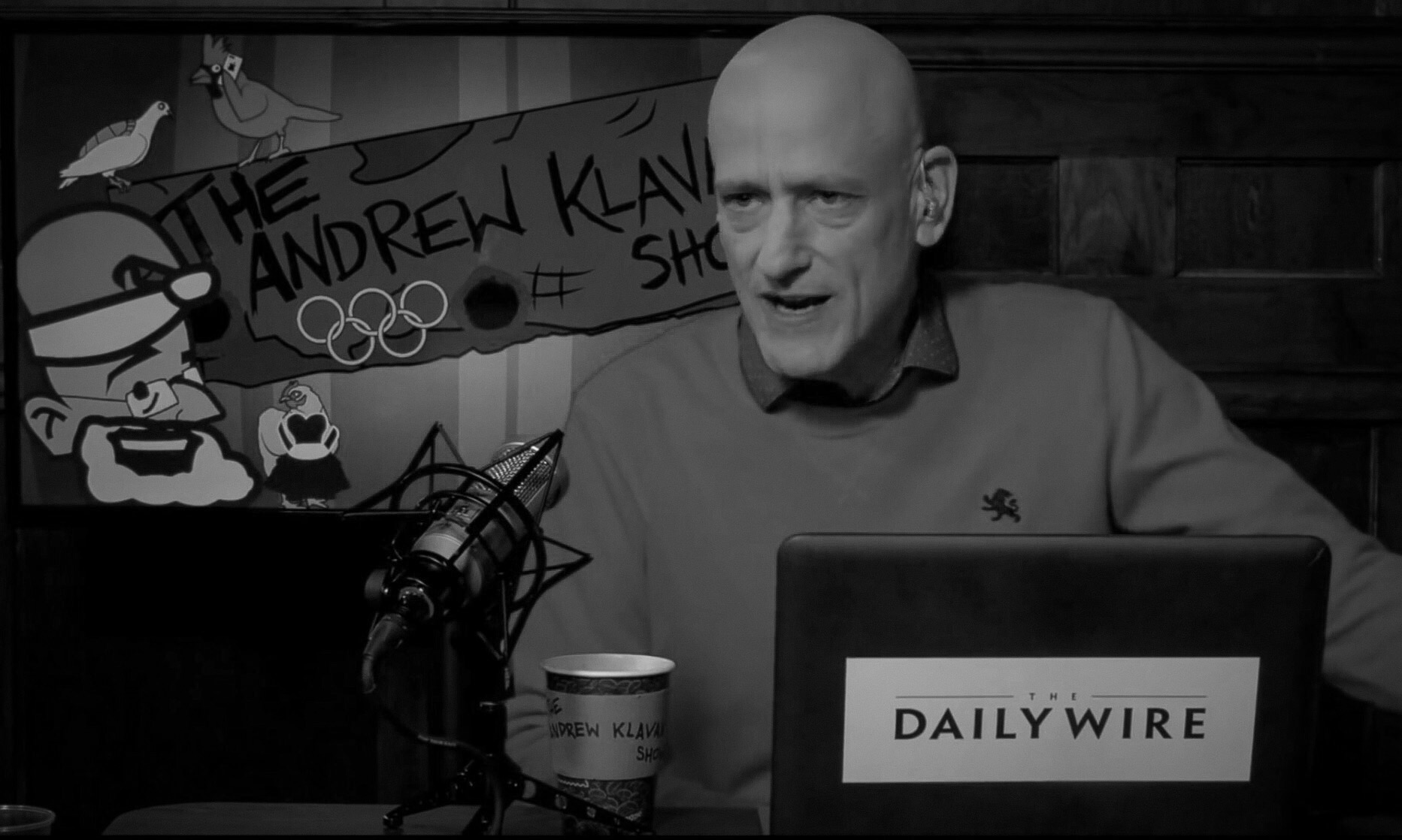
Author and satirist Andrew Klavan has some words about Brian Williams and “fake news” and much, much more.
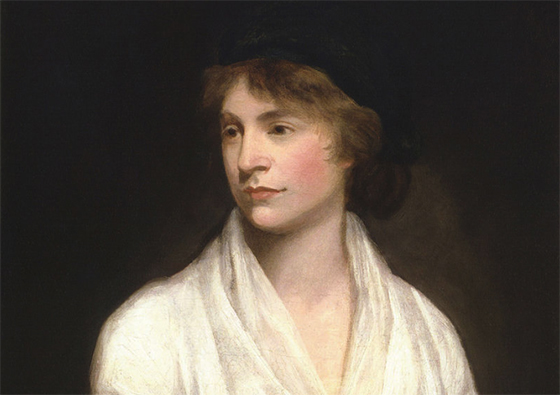
Rousseau exerts himself to prove that all was right originally: a crowd of authors that all is now right: and I, that all will be right.
Mary Wollstonecraft, A Vindication of the Rights of Woman (1792), chapter one.
On December 17, 1777, France formally recognized the United States of America.
The 17th of December, 1819, was the day Simon Bolivar declared the independence of the Republic of Gran Colombia in Angostura.
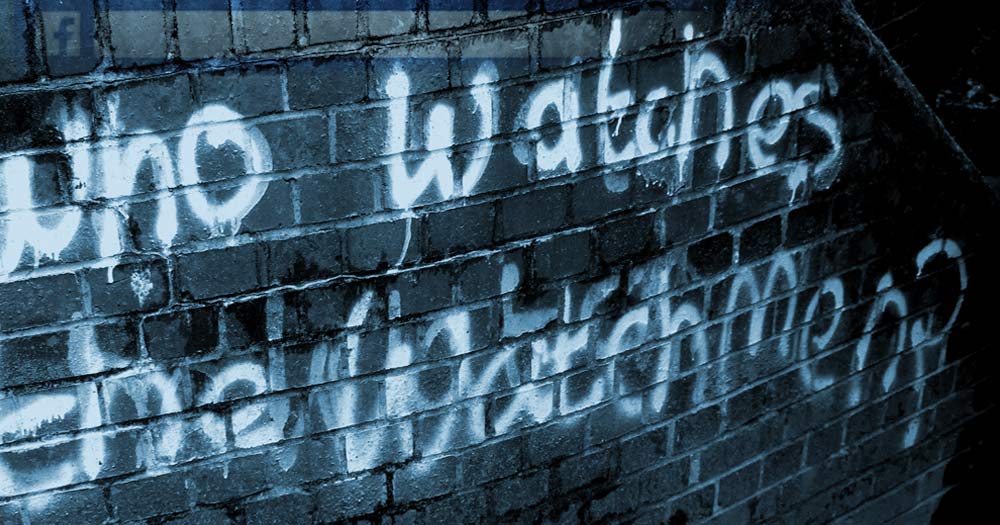
We saw glimmerings last year when Twitter began to selectively enforce “policy” against some (Milo Yiannoupolis) and not against others (the hordes of leftists who threatened to assassinate Donald Trump).
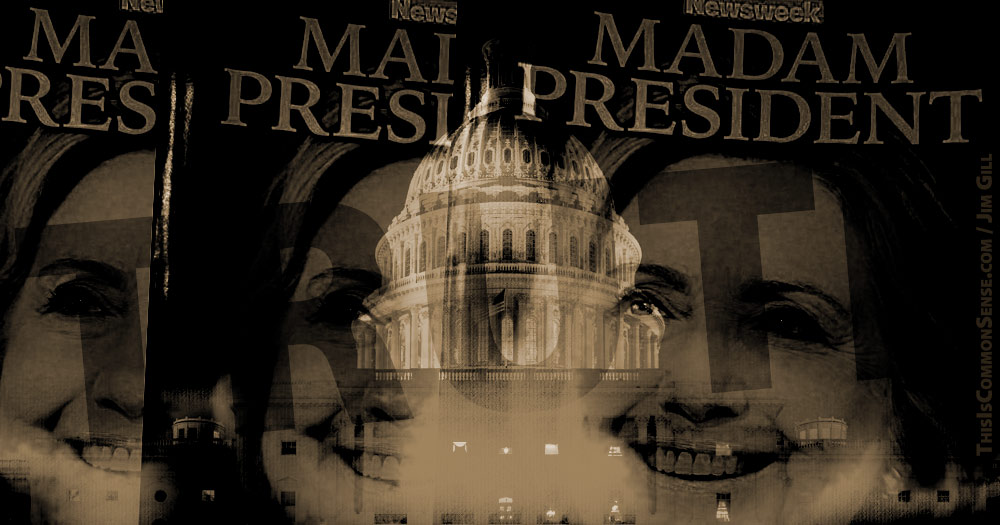
You could see it in Hillary Clinton’s campaign; after Trump won, it loomed to eclipse all reason.
And on Thursday I noted Congress’s reaction.
I refer to the hysteria over non-Democratic “memes” and “fake news” that trumped the erstwhile gatekeepers of the Fourth Estate and the political classes — including the lobbying and bureaucratic cliques — and stymied the ascension of Mrs. Clinton to the Most Powerful Office in the Whole Wide World.
Now Facebook has come on board with a way to combat this freewheeling flow of ideas.
Fact-checking.
Hayley Tsukayama, writing in the Washington Post, explained the new program:
The social network is going to partner with the Poynter International Fact-Checking Network, which includes groups such as Snopes, to evaluate articles flagged by Facebook users.
If those articles don’t pass the smell test for the fact-checkers, Facebook will pass on that evaluation with a little label whenever they are posted or shared, along with a link to the organization that debunked the story.
The problem, here, is not a First Amendment issue: Facebook is not the government; when it tampers with your communications, it does not break the law.
The problem is that the Internet’s self-proclaimed fact-checkers are not exactly fair-minded, or even capable of sticking to the facts. I quoted Nietzsche yesterday (“there are no facts, only interpretations”), today I will merely reference Ben Shapiro, who has a history with false fact-checkers, and riff off of Juvenal: who will fact check the fact checkers? (Obvious, I know.)
Meanwhile, the folks behind new social media service minds.com offer an innovative posting promotion system, and promise never to sneakily favor some ideas over others.
The proper response to a business firm’s discriminatory policy is to provide market pressure.
This is Common Sense. I’m Paul Jacob.
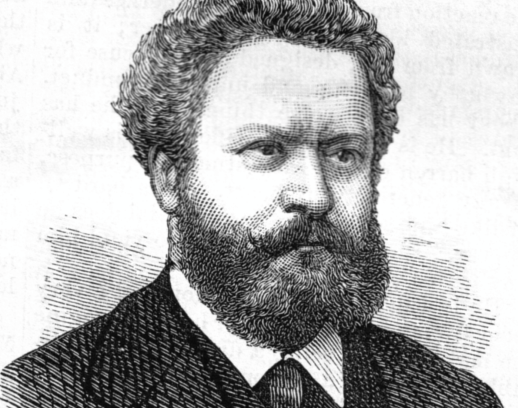
To violate its own laws is a special privilege of absolute monarchy.
Edmond About, The Roman Question (1859), H. C. Coape, translator.
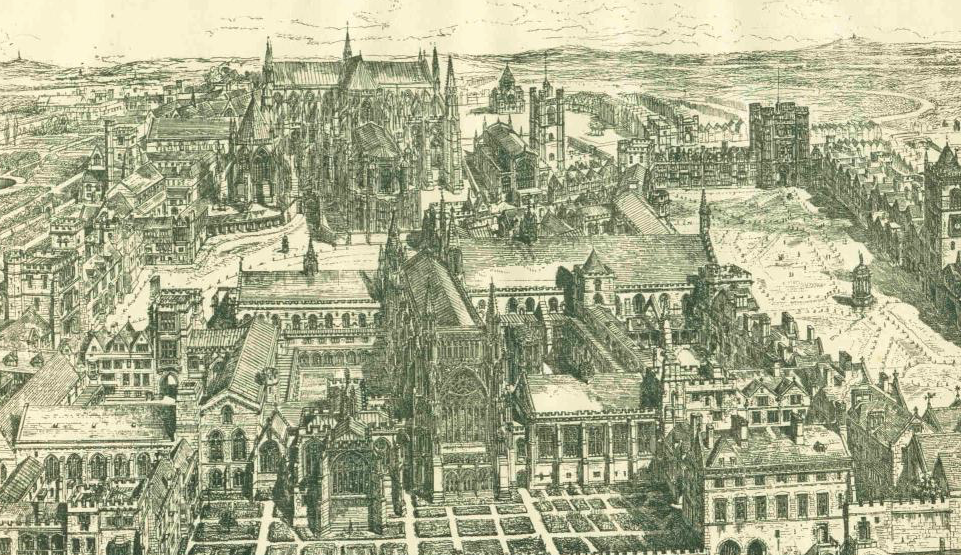
On December 16, 1689, the Convention Parliament began, not only transferring power from one king to another, but establishing procedures and rights into the British Constitution, both of which were copied in the United States of America a century later, with the Constitution’s Bill of Rights.
Buried within another, more innocuous-sounding piece of legislation*, the Countering Disinformation and Propaganda Act passed the U.S. Senate last week. Introduced in March, the corresponding House bill is still in committee.
Designed to “counter foreign disinformation and propaganda,” especially but not limited to Russia’s, the law, if enacted, would set up what amounts to the ultimate fact-checking outfit. But since, in politics, Nietzsche’s Law of Hermeneutics** holds — “there are no facts, only interpretations” — what it really would be is an anti-propaganda propaganda house, described by critics as a “Ministry of Truth.”
From Senate sponsors Rob Portman (R-OH) and Chris Murphy (D-CT), however, it sounds a lot more noble. It seeks to develop “a whole-of-government strategy for countering foreign propaganda and disinformation” as well as “leverage expertise from outside government to create more adaptive and responsive U.S. strategy options.”***
You can see why government insiders would be concerned. After all, information (mis- and dis- and even correct) travels fast these days.
That is the way of memes — “mind viruses,” popularly called**** — in this age of the Internet.
One related meme is the phrase “effrontery propaganda,” repeated in Internet postings, which characterizes the Countering Disinformation and Propaganda Act’s mission as that of developing and disseminating “‘fact-based narratives” to counter effrontery propaganda.”
Insiders in government and major media do see as “effrontery” the memes that so strongly captured our imaginations in 2016. But is it fakery that really bothers them? Or mere effectiveness?
In any case, effrontery is precisely the right word for any centralized, government-run propaganda outfit.
This is Common Sense. I’m Paul Jacob.
* Titled a “report”!
** This being about propaganda, I hone my philosophical chops and chutzpah by dubbing the infamous F. A. Nietzsche saying as a “law.” On the order of Murphy’s and Parkinson’s so-called laws. Why not? Maybe it’ll catch on.
*** Specifically, the Senate version of the bill would expand “the authority, resources, and mandate of the Global Engagement Center” — an existing institution — to handle state actors (Russia, Russia, Russia, and China) as well as “help train local journalists” and seek to influence (and fund) NGOs and think tanks.
**** Richard Dawkins, in The Selfish Gene (1976; 40th Anniversary Edition, 2016), proposed a new science, memetics. Which has since been developed. See The Meme Machine, for example, by Susan Blackmore (Oxford University Press, 1999).
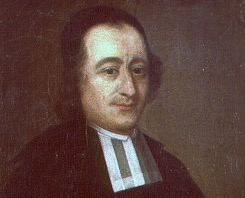
The more opportunities there are in a Society for some persons to live upon the toil of others, and the less those others may enjoy the fruits of their work themselves, the more is diligence killed, the former become insolent, the latter despairing, and both negligent.
Anders Chydenius, The National Gain (1765), §20.
On December 15, 1791, the United States Bill of Rights became federal law when ratified by the Virginia General Assembly.
On December 15 in 1933, the Twenty-first Amendment to the United States Constitution officially became effective, repealing the Eighteenth Amendment that had, by enabling the Volstead Act, prohibited the sale, manufacture, and transportation of alcohol for any other than medical and industrial uses.
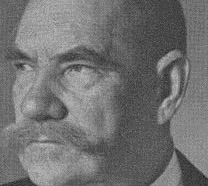
December 15 birthdays include that of Pehr Evind Svinhufvud af Qvalstad [pictured above], 1861, first Head of State of independent Finland, serving in this capacity first as leader of the Senate and then as Protector, or Regent. In 1930 he became Prime Minister, and in 1931 was elected President, leaving office in 1937.
During the Civil War of 1918, his anti-socialist refugee government, Valkoiset, or “Whites,” opposed the “Reds,” a Social Democrat Party faction, for control of the government as it transitioned from Russian rule as a Grand Duchy, to independent status.
He died in 1944.